Dublin in November
16 October 2026, 3 min read
November is a good month to visit Dublin if you prefer cooler weather and thinner crowds. The month suits culture seekers and independent travellers who want to explore museums and historic sites at an unhurried pace.
What the Weather Is Really Like
November in Dublin brings a high of 11°C and a low of 5°C, which converts to roughly 52°F and 41°F. That makes it considerably cooler than the summer peak of 21°C in July, and it is also noticeably cooler than October, when the high sits at 15°C. You can expect rain on a number of days. Total rainfall for the month comes to 73mm, and humidity stays high at 90 percent. Carry a raincoat and dress in layers.
Daylight in November is limited. You will have about 8.3 hours of usable light, which is far shorter than the long evenings of June or July. The reduced daylight changes how you plan each day, with sightseeing compressed into a narrower window and the city switching to its evening pace earlier in the afternoon.
What the Month Feels Like in the City
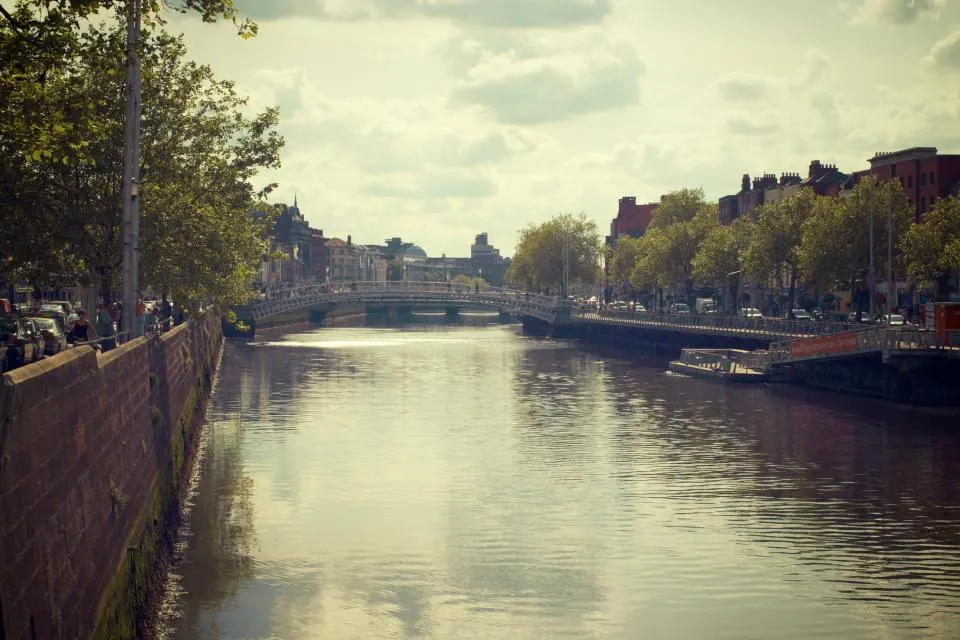
The cooler air and shorter days give Dublin a quieter, more introverted feel in November. Without the long summer evenings, you will see city lights come on earlier and locals settling into indoor routines. The rain keeps the streets damp underfoot, and you are likely to encounter several showers during your stay.
There are no major public holidays listed for Ireland in November, which means most sites and attractions keep regular hours. You will find shorter waiting times at popular destinations compared with the peak summer months, and you can generally move through museums and historic sites without the kind of crowding that characterises June or July.

What to See
Dublin Castle dates back to 1204 and stands near the heart of the modern city. It was built as a defensive fortification and later served as the seat of British administration in Ireland. The site has a long and layered history. November is a good month to visit because reduced visitor numbers allow you to move through the grounds and rooms at a more measured pace.
St Patrick's Cathedral was opened in 1191. It remains an active Anglican cathedral and draws visitors for its scale and its place in Irish religious history. The building offers a quiet counterpoint to the busier commercial streets outside.
The National Library of Ireland was established in 1877 and holds an extensive collection of documents and materials relating to Irish heritage. November weather makes this a particularly practical choice. On a rainy afternoon, the library provides a dry and productive environment where you can spend time with exhibitions or simply sit and read.
The Spire of Dublin was erected in 2003 and marks the boundary between the old city and the contemporary waterfront district. It is a tall, slim monument that divides opinion. If the weather is clear, it is worth walking out to see it in the context of the surrounding streets and the River Liffey.
How to Plan the Days
With only 8.3 hours of daylight and rain a frequent possibility, you need to balance outdoor sightseeing with indoor options. Make the most of morning light for walks and outdoor sites, and keep at least one or two indoor attractions in reserve for when the weather turns. A flexible itinerary will serve you better than a rigid schedule.
November is best approached at a slower pace. Allow time to step into a café or museum when a shower passes. The reduced crowds mean you can linger at places like Dublin Castle or St Patrick's Cathedral without feeling pressured to move on. Evenings tend to come early, so factor in dinner plans before the light fades completely.
Practical Notes
Ireland uses the euro as its currency, which simplifies spending for visitors from other eurozone countries. For those coming from elsewhere, most hotels, restaurants and shops accept card payments. It is still worth carrying a small amount of cash for smaller purchases or places that may not take cards.
The national language listed for Ireland is Irish. You will encounter Irish-language signage in parts of the city, and some phrases may appear in conversation. Most people in Dublin speak English fluently in addition to Irish, so language is unlikely to present a barrier.
Dress for temperatures between 5°C and 11°C. Layer a warm base, a sweater or fleece, and a waterproof outer layer. A good raincoat is more useful than an umbrella in the wind. Wear waterproof shoes or boots that can handle damp pavement and puddles.
What to pack
- A waterproof raincoat that blocks wind as well as rain
- Layers including a warm fleece or sweater under your outer layer
- Waterproof shoes or boots with good grip on rainy pavement
- A small day bag that fits under your raincoat to protect electronics
- A reusable shopping bag to keep your hands free in rain
Questions
Is November a good time to visit Dublin?
Yes, November is a good time for visitors who prefer cooler weather and fewer crowds. You will encounter shorter waiting times at major sites and can explore the city at a more relaxed pace.
What should I pack for Dublin in November?
Pack layers for temperatures between 5°C and 11°C, a waterproof raincoat, and sturdy waterproof shoes. A small dry bag or rain cover for your day bag is also useful.
Will rain ruin my plans in November?
Rain is common in November, with 73mm expected for the month. It does not typically stop you from sightseeing entirely, but you should plan indoor alternatives and carry waterproof clothing.