Chand Baori, Rani Ki Vav, and Beyond: 10 Stunning Stepwells in India Highlighting Ancient Water Engineering
26 May 2026, 3 min read
1 / 11
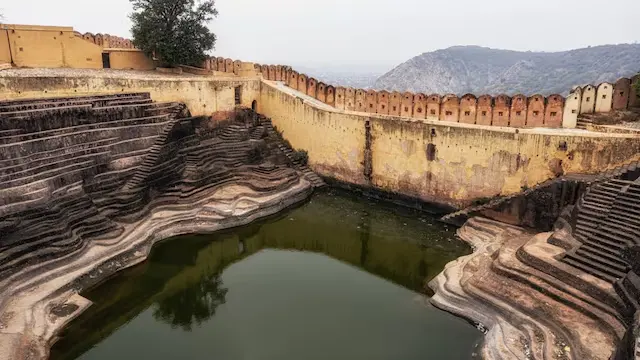
The stepwells of India, often referred to as baoris, baolis, or vavs, stand as extraordinary illustrations of ancient water conservation techniques, primarily found in the arid landscapes of Rajasthan, Gujarat, and Delhi. These masterpieces were crafted to collect and preserve rainwater, featuring deep terraces and staircases that facilitated access to water as levels fluctuated. More than functional structures, stepwells symbolize India’s extensive water heritage, highlighting the advanced engineering and community-oriented water management of bygone eras. (Image: Canva)
2 / 11
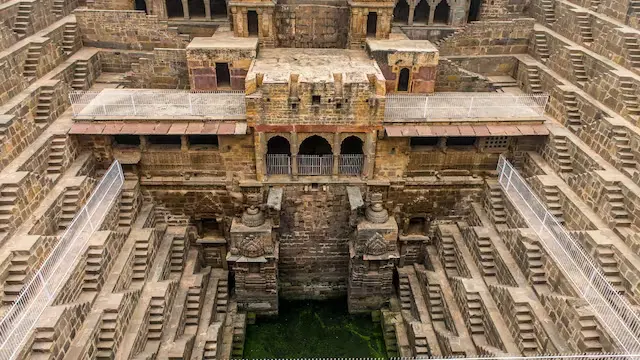
1. Chand Baori, Abhaneri, Rajasthan | Chand Baori ranks among the most impressive stepwells in India. This 9th-century marvel boasts approximately 3,500 steps arranged in a distinctive geometric pattern encircling a vast central reservoir. Initiated by Raja Chanda and subsequently enhanced by the Mughals, its splendid architecture has made it a popular location for films, including Hollywood’s The Dark Knight Rises (2012). (Image: Canva)
3 / 11
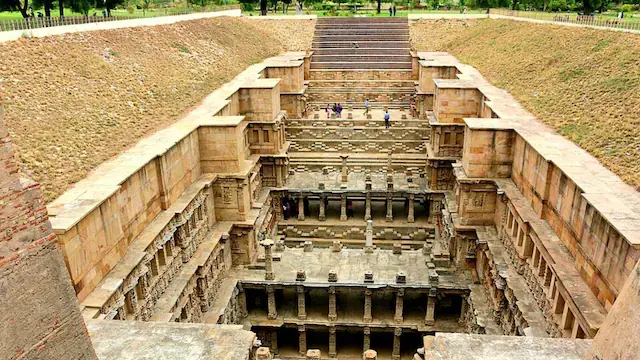
2. Rani-ki-Vav in Patan, Gujarat | This magnificent stepwell, constructed in the 11th century by Udayamati, the spouse of the Chaulukya king Bhimdev I, showcases exquisite carvings. After being buried in silt, it was rediscovered in the 1940s. (Image: Wikimedia Commons)
4 / 11
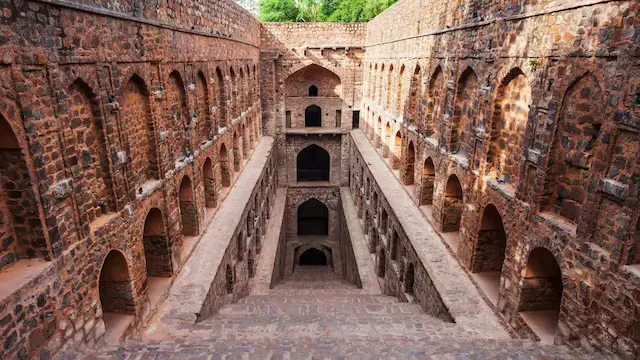
3. Agrasen Ki Baoli, Delhi | This 14th-century stepwell can be found near Connaught Place in Delhi. It features an extensive stone structure with arched niches and a singular stairway descending into it. Today, it is a favored tourist destination and has been depicted in the film PK. (Image: Canva)
5 / 11
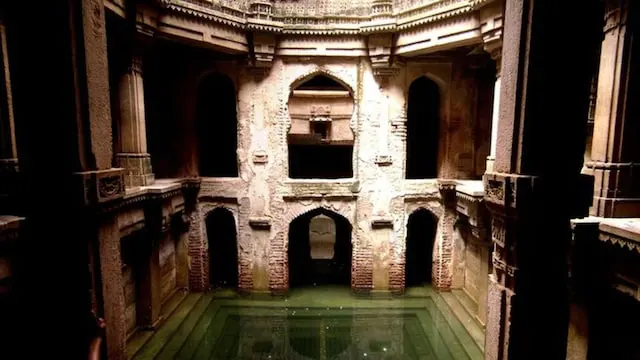
4. Adalaj Stepwell, Gujarat | This 15th-century stepwell in central Gujarat is famed for its intricate stone carvings, featuring pillars, arches, and decorative motifs centered around the well. Its design embodies a blend of Indo-Islamic architecture and it is octagonal in form. (Image: Wikimedia Commons)
6 / 11
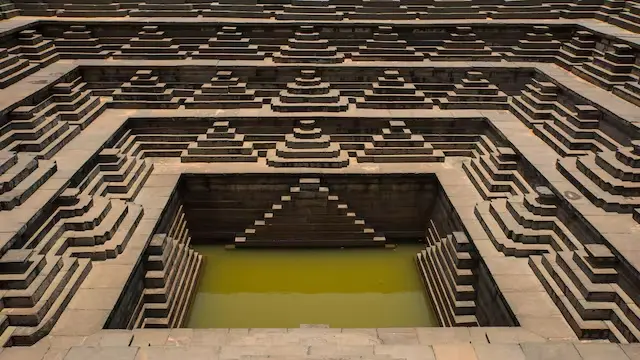
5. Pushkarinis of Hampi, Karnataka | The pushkarinis in Hampi are ceremonial water tanks designed in stepwell style. While stepwells are primarily a North Indian tradition, the Vijayanagara ruins contain similar stepped structures. The tank located in the royal enclosure showcases a pyramid-like sequence of steps, intended to mirror the ceremonial customs of the city’s rulers. (Image: Canva)
7 / 11
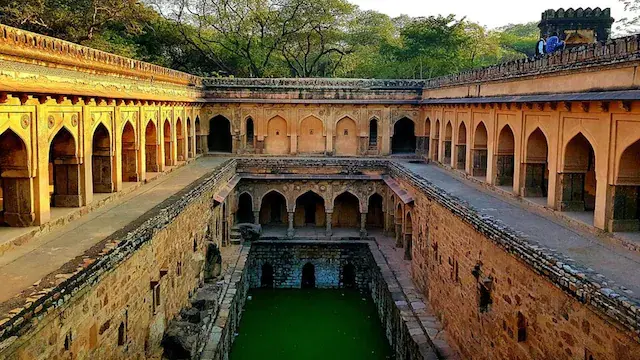
6. Rajon Ki Baoli, Delhi | This popular stepwell in Delhi, dating back to the 16th century, is situated in the Mehrauli Archaeological Park. Built during the Lodi period under Daulat Khan, it features tiered arches and niches that exemplify Islamic architectural design. (Image: Wikimedia Commons)
8 / 11
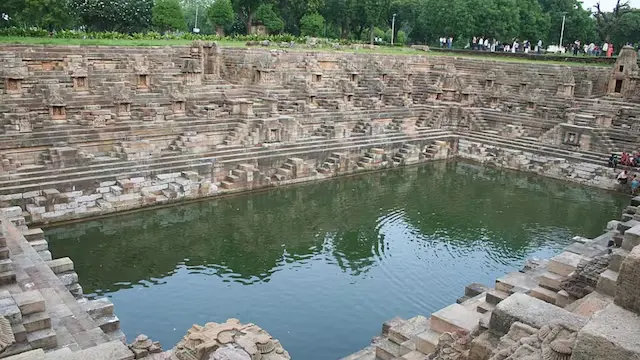
7. Surya Kund in Modhera, Gujarat | This expansive stepwell is located beside the 11th-century Sun Temple. Built under the rule of King Bhimdev I from the Solanki dynasty, it comprises over 100 miniature carved shrines and stepped terraces, designed as part of a temple complex dedicated to the sun god. (Image: Wikimedia Commons)
9 / 11
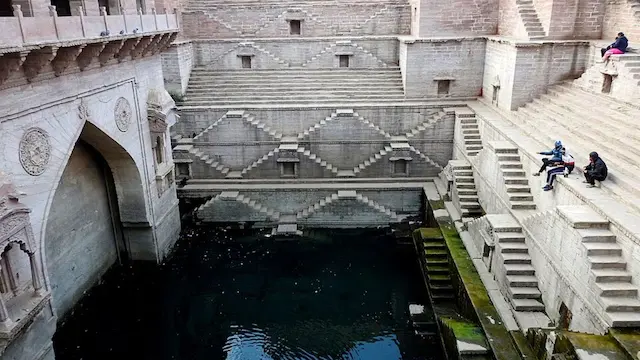
8. Toorji ka Jhalra, Rajasthan | A notable stepwell in Jodhpur, Toor Ji Ka Jhalra was commissioned by the queen of Marwar, Gulab Rai, around 1740. This 200-foot deep structure takes inspiration from the renowned Rani ki Vav setup in Patan, the ancestral home of the queen. (Image: Wikimedia Commons)
10 / 11
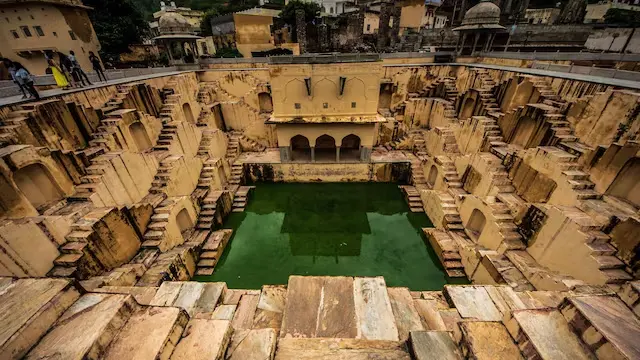
9. Panna Meena ka Kund, Rajasthan | Situated near Amer Fort in Jaipur, Panna Meena ka Kund is a square-shaped stepwell accessible from all four sides and stands as one of the most meticulously restored operational stepwells. Its architectural design is reminiscent of Chand Baori and it appears in the film “The Best Exotic Marigold Hotel.” (Image: Canva)
11 / 11
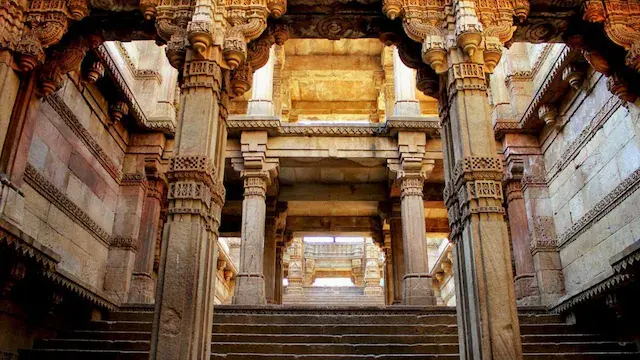
10. Bai Harir Ni Vav, Ahmedabad | Built during the reign of Sultan Mahmud Begada in the 15th century, the Bai Harir Vav features five levels of ornately carved stone columns leading down to wells. Commissioned by Dhai Harir, a notable lady of the royal household, it is located near a mosque and a small tomb where she is believed to be buried.