Chicago in November
18 October 2026, 4 min read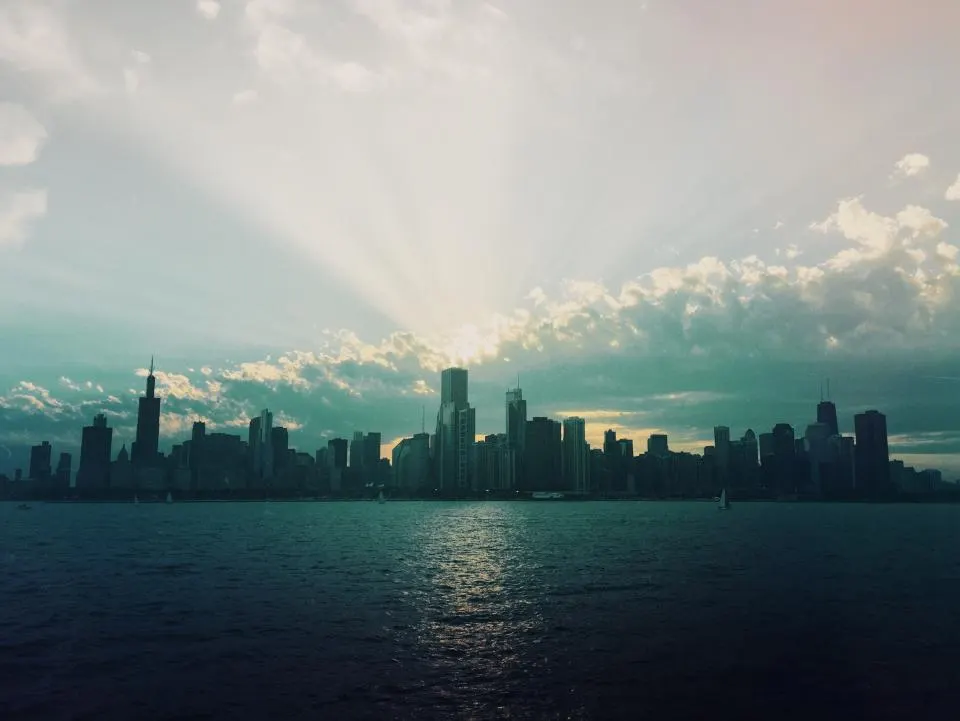
November offers a quieter Chicago with reduced wait times at major sites and lower accommodation rates. The month suits travelers who prioritise culture and architecture over warm weather.
What the Weather Is Really Like
November in Chicago means daytime highs of 9°C and overnight lows dropping to 3°C, so you will feel the cold more acutely than in the summer months. July averages 25°C, making the current chill a sharp contrast. By comparison, the winter months dip well below these figures, which means you have not yet reached the deepest part of winter, but you are well into the cool season. Pack accordingly and expect the temperature to feel colder on windy days along the lakefront.
Rainfall measures around 61mm across the month, with humidity hovering at 80 percent. That combination creates a damp chill rather than a soaking-wet month, but occasional rain will interrupt outdoor plans. Daylight shortens to 9.6 hours, meaning your sightseeing window narrows noticeably compared to the 15 hours available in June. Plan your heaviest outdoor activity for the middle of the day and reserve mornings and evenings for indoor attractions.
What the Month Feels Like in the City
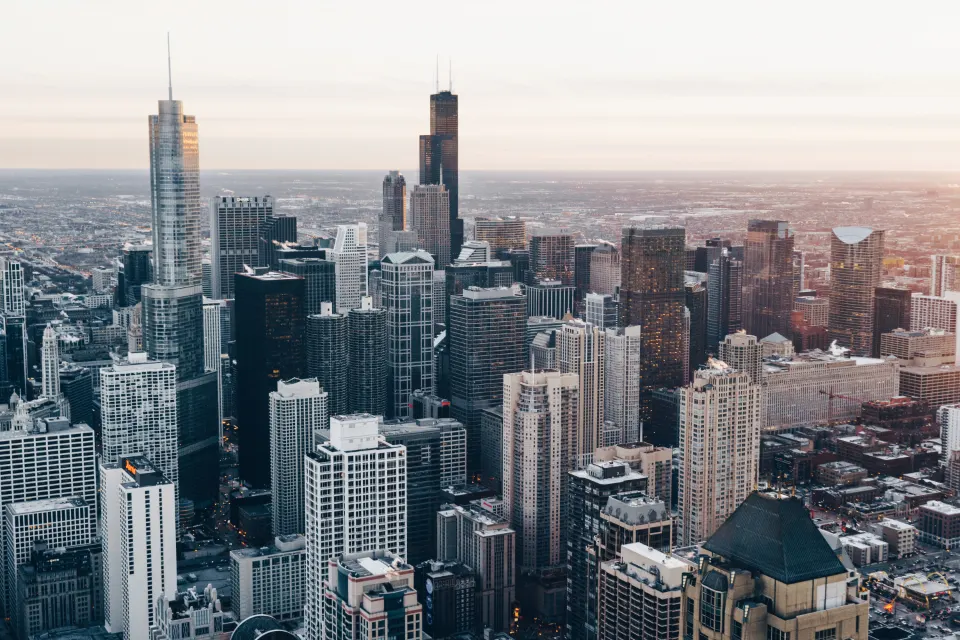
The city moves at a steadier pace once the summer rush fades. Crowds thin at major tourist sites, and hotel rates generally soften. November sits between the peak travel season and the holiday period, creating a window where Chicago feels more local. The reduced daylight and cooler temperatures mean streets clear earlier in the evening, so you will want to adjust your daily rhythm accordingly.
Two holidays fall in November, both of which affect visitors. Veterans Day on 11 November is a federal holiday, meaning some government offices and banks close. Thanksgiving on 26 November is a major national holiday with broader closures across retail, museums, and restaurants. If you plan to visit the Art Institute or eat at a specific restaurant that day, check their hours well in advance. For everything else, the holiday weekend brings a brief spike in domestic travel but also some of the lowest crowds at attractions on the day itself.
What to See
The Art Institute of Chicago is an art museum founded in 1879. The long history of the institution means the building itself carries significant cultural weight, and November is a good time to explore the permanent collection and special exhibitions. The museum provides a warm, spacious retreat when the outdoor chill becomes uncomfortable.
For skyline views, the Willis Tower remains a recognisable office building in the city. Built in 1971, it offers an observation deck on clear November days when visibility tends to be high. Pair this with a visit to Millennium Park, an urban park opened in 2004 that houses the famous Cloud Gate sculpture. The park is less picturesque in autumn without summer flowers, but the reflective surface of the artwork takes on a different character under grey skies, and you can move through it quickly on cold days.
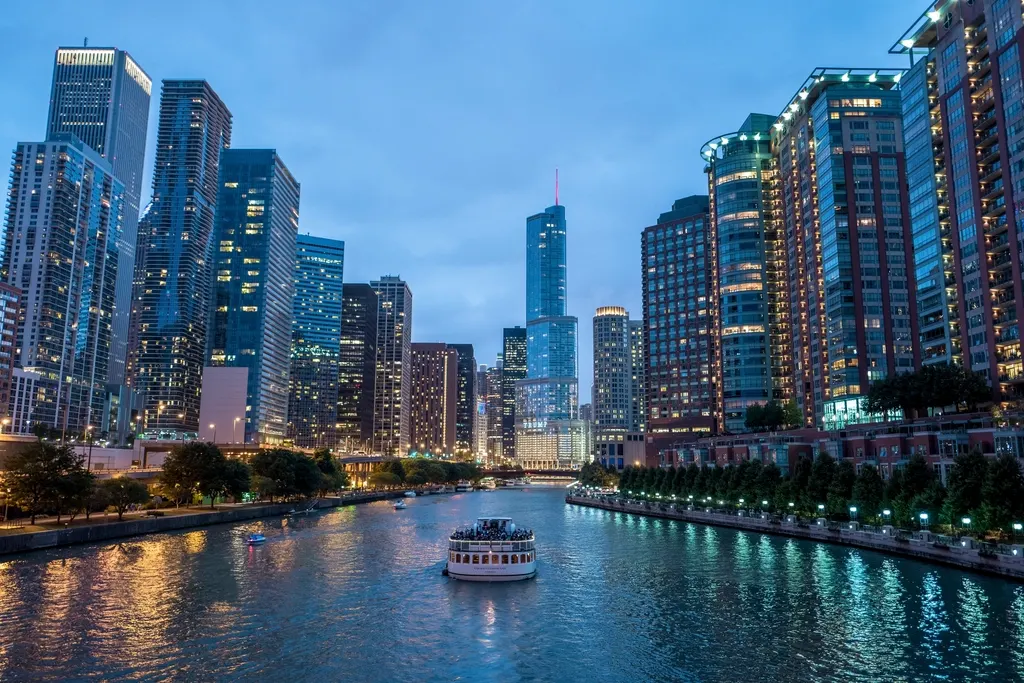
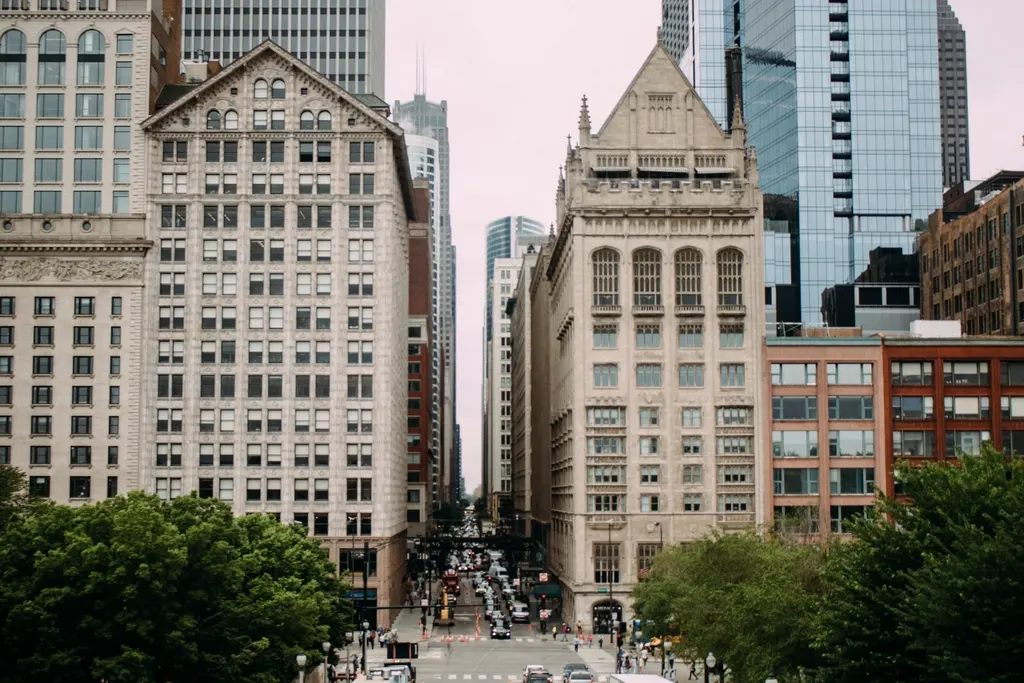
The Aon Center, built in 1973, and Trump International Hotel and Tower, built in 2009, are both office and hotel towers worth noting for their architecture and position in the skyline. You do not need to enter them to appreciate their place in the cityscape, and walking past them connects the downtown grid to the lakefront. For history, the Home Insurance Building, built in 1885, sits as a reminder of Chicago's foundational role in modern skyscraper design, though the original structure was destroyed and only a fragment remains.
How to Plan the Days
November demands a different approach to pacing. With under ten hours of daylight, you cannot spread activities across an entire afternoon as you might in June. Prioritise one major outdoor activity per day, ideally during the warmer midday hours when temperatures peak. The middle of the day also offers the best light for photography and the clearest views from elevated vantage points.
Balance outdoor time with indoor stops to avoid the cumulative effect of cold and damp. The Art Institute and other museums serve as logical anchors for mid-afternoon when energy fades or rain sets in. Evenings work well for dining and shorter indoor activities rather than trying to extend outdoor sightseeing past dark. The rain and limited daylight mean your plans will shift more than they would in warmer months, so build in flexibility rather than booking every hour tightly.
Practical Notes
Chicago uses the United States dollar. English is the primary language, so there are no translation barriers for most visitors. Tipping follows standard American customs at restaurants and for services, typically 15 to 20 percent.
Dressing for November means building layers you can add or remove as you move between heated interiors and cold streets. A warm coat, waterproof outer layer, gloves, and a hat make the most difference. Sturdy walking shoes handle both indoor museum floors and outdoor sidewalks, which may still be damp from recent rain. The humidity at 80 percent means cold feels more penetrating, so do not underestimate how a 3°C evening will actually feel on exposed skin.
What to pack
- Waterproof coat or jacket for rain and wind
- Warm layers including a fleece or wool mid-layer
- Gloves and a hat for cold evenings
- Sturdy walking shoes suitable for wet sidewalks
- Small day bag for layers, umbrella, and museum essentials
Questions
Is November a good time to visit Chicago?
Yes for lower crowds and cheaper hotels, though cold weather limits outdoor time and some attractions may have reduced hours around holidays.
Will museums and attractions be open on Thanksgiving?
Many close on Thanksgiving Day itself, so plan major indoor visits before 26 November or check individual hours in advance.
How cold does it actually get in Chicago during November?
Daytime highs reach 9°C while lows drop to 3°C, but wind off Lake Michigan makes it feel colder, especially in the evenings.