Kuala Lumpur in November
18 October 2026, 4 min read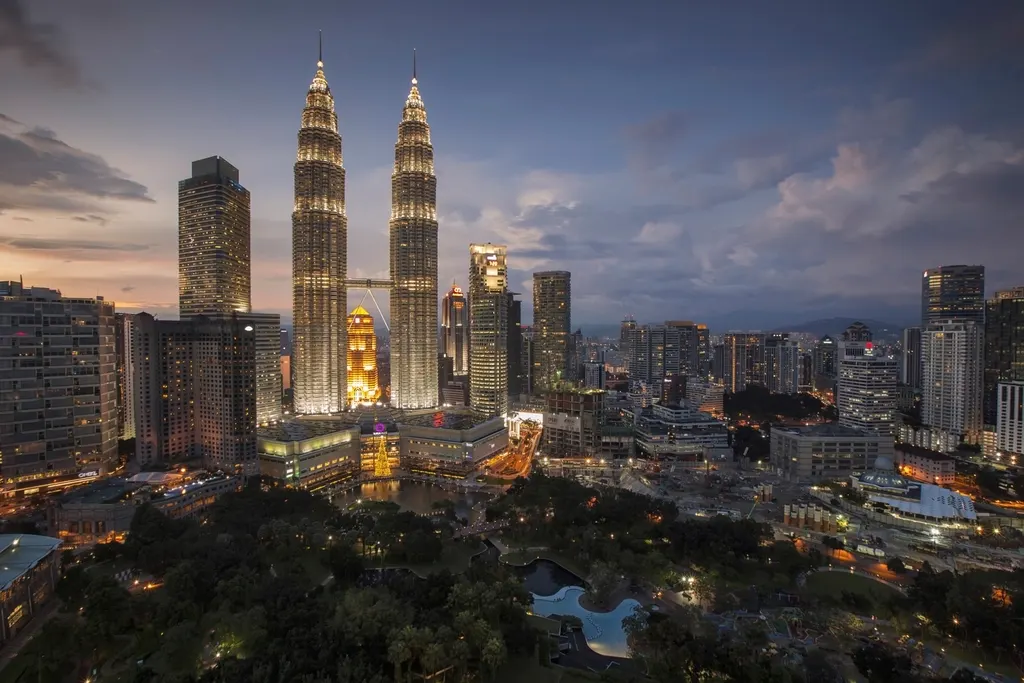
November is a challenging month to visit Kuala Lumpur because of heavy rain and high humidity, but indoor attractions and consistent temperatures keep the city accessible. It suits travelers who plan around weather windows and prefer quieter crowds over dry skies.
What the Weather Is Really Like
November brings Kuala Lumpur's wettest conditions. The high temperature is 28 degrees Celsius (82 degrees Fahrenheit) and the low is 22 degrees Celsius (72 degrees Fahrenheit). Rainfall measures 314 millimetres for the month, with humidity at 88 percent and daylight lasting 11.9 hours. These figures represent a significant shift from the drier months.
Compared to the hottest months of March and April, when temperatures reach 30 degrees Celsius (86 degrees Fahrenheit), November feels slightly cooler. The difference from the coolest months of January, July, August and December, which sit at 28 degrees Celsius (82 degrees Fahrenheit), is minimal in terms of the high temperature. The real contrast lies in rainfall, which is far higher than any other month.
Rain in November typically arrives in heavy bursts rather than constant drizzle. Afternoon and evening showers are common, and humidity stays consistently high. Morning hours before noon tend to be somewhat drier, though this is not guaranteed. Travelers should expect wet conditions as the baseline and plan accordingly.
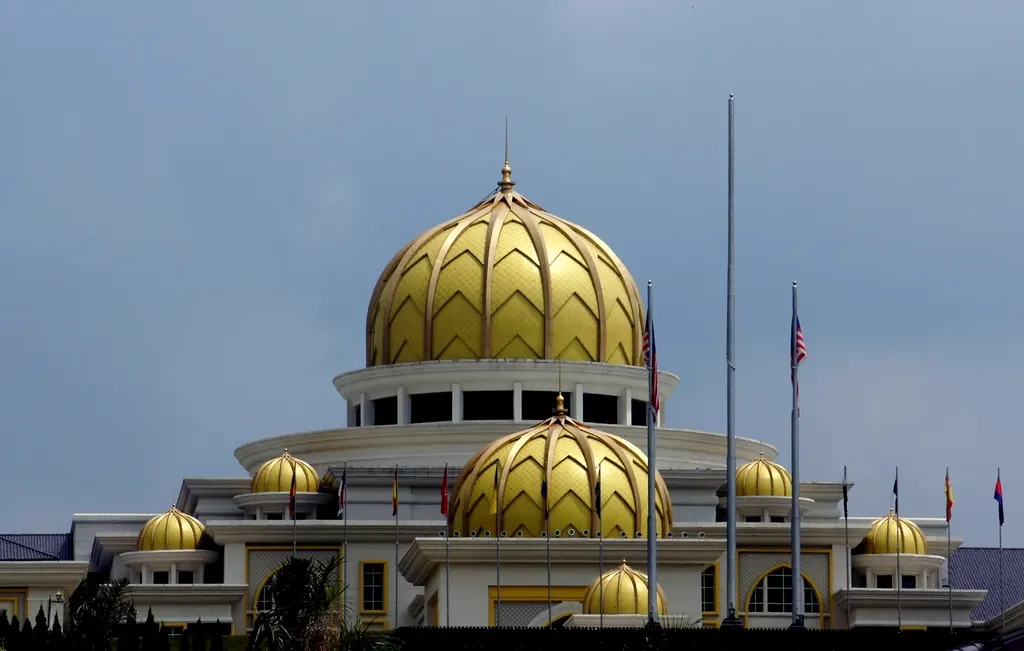
What the Month Feels Like in the City
Daylight at just under 12 hours means mornings are usable but brief. The sun rises and sets quickly, and there is no long window of bright afternoon light to count on. For sightseeing, the usable outdoor hours are effectively in the morning through early afternoon, with the rest of the day either dark or wet.
No public holidays are listed for November, so there are no documented closures or city-wide disruptions. Museums, shopping complexes and restaurants operate on their standard schedules. Without a major holiday driving crowds, the city feels less congested than during peak travel periods.
Humidity at 88 percent makes the air feel heavy and sticky throughout the day. Moving between air-conditioned buildings and the outside can be a physical adjustment. The combination of wet weather and high humidity means that everything, including clothing and footwear, stays damp longer than expected.

What to See
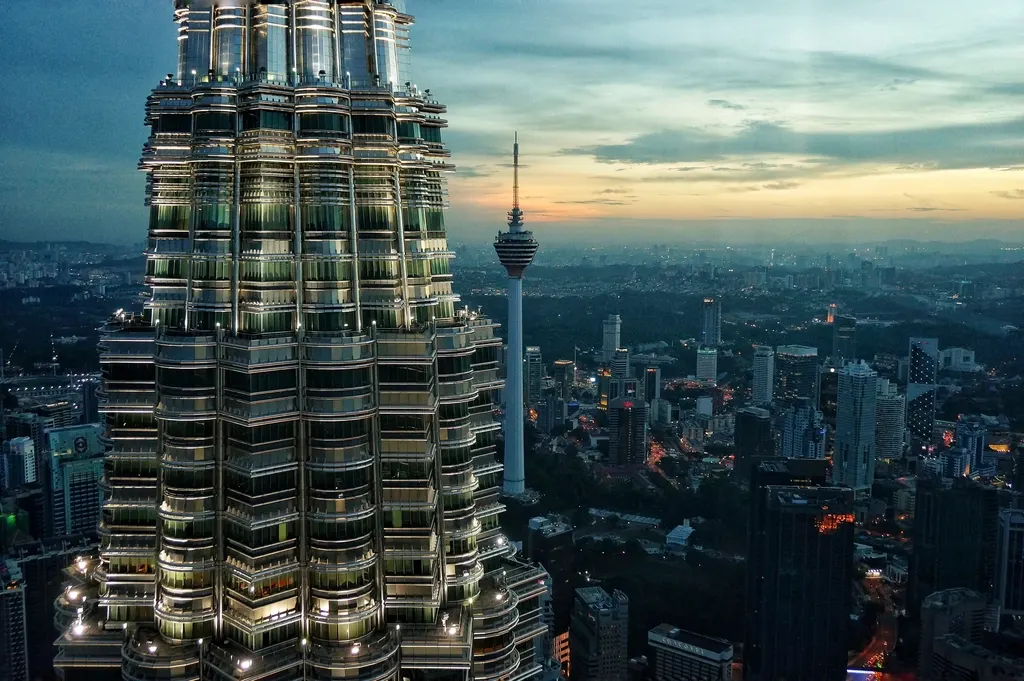
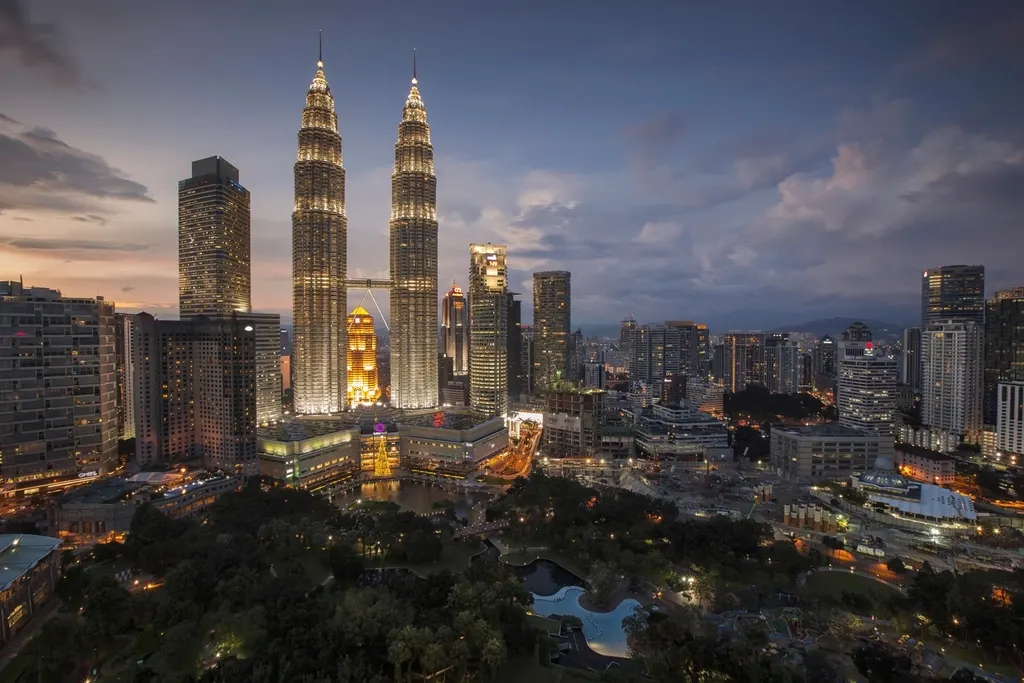
The Petronas Towers, built in 1993, are twin skyscrapers that remain a recognizable feature of the Kuala Lumpur skyline. Their interior galleries and skybridge offer climate-controlled views, which makes them particularly suited to November when sudden rain can interrupt outdoor sightseeing. The lower floors and mall at the base provide shelter options if weather turns during a visit.
The Kuala Lumpur Tower, built in 1994, serves as the moonsighting location in Malaysia. Its observation decks are enclosed and air conditioned. The tower's height means visibility depends on rain, but the structure itself is worth approaching for its role in the city's skyline. Visiting in the morning before afternoon rain arrives gives the best chance of clear views.
Merdeka, built in 2023, is the tallest building among the listed places. Its observation deck provides a modern perspective on Kuala Lumpur's evolution as a city. The National Mosque of Malaysia, built in 1965, offers an enclosed prayer hall and courtyard where visitors can experience the building's architecture away from rain if needed.
Sultan Abdul Samad Jamek Mosque, built in 1909, is a historic mosque in Kuala Lumpur. Its location along the Klang River makes it a manageable walk from other central attractions. The building's open-air courtyard can be uncomfortable in wet or humid conditions, but the covered prayer areas provide relief. Telekom Tower, built in 2001, is a commercial skyscraper that fits into the city's modern skyline but does not offer public sightseeing options.
How to Plan the Days
The pace of sightseeing in November needs to be deliberate about timing. Morning activities before midday are the most reliable window for outdoor movement. A quick-dry shirt and a light rain layer in a daypack are useful tools for switching between indoor and outdoor moments without stopping the day entirely.
Afternoons suit indoor activities: shopping malls, museums, restaurants and hotel lobbies. The city has a network of covered walkways and air-conditioned spaces that allow movement between sites even during heavy rain. Waiting out a shower for a short period is usually enough to continue on foot.
Evenings remain unpredictable. Some days end clear and warm, while others bring another round of rain after dark. Plans that involve open-air rooftop bars or evening walks should include a backup indoor option. The reduced daylight and humidity after dark can actually make later hours more comfortable on dry evenings.
Practical Notes
The currency is the Malaysian ringgit. Cards are widely accepted in hotels, restaurants and shopping centres, but smaller vendors and local transport may require cash. Having a small amount of ringgit on hand covers situations where cards are not practical.
The primary language is Malay, though English is common in tourist-facing businesses and major transit points. A few phrases in Malay are appreciated but not required for basic interactions.
Temperatures at 22 to 28 degrees Celsius (72 to 82 degrees Fahrenheit) mean light, breathable clothing works for most of the day. A light rain jacket or poncho handles sudden showers. Breathable walking shoes that cope with damp conditions are better than leather or closed shoes that stay wet for hours.
What to pack
- Quick-dry clothing that handles humidity and occasional soaking
- A compact rain jacket or poncho for sudden afternoon showers
- Breathable walking shoes that dry reasonably fast
- A small daypack to store wet layers when moving indoors
- An unsealed water bottle to stay hydrated through humid days
Questions
Is November a good time to visit Kuala Lumpur?
November is a difficult month to visit because of heavy rainfall at 314 millimetres and 88 percent humidity, but the city's indoor attractions and consistent temperatures mean it remains manageable with flexible planning.
What should I pack for Kuala Lumpur in November?
Pack light, breathable clothing, a rain jacket or poncho, and shoes that handle wet conditions. Quick-dry fabrics are more practical than cotton in the high humidity.
Are there any public holidays in Kuala Lumpur in November?
No public holidays are listed for November, so there are no documented city-wide closures or disruptions to plan around.