Toronto in November
18 October 2026, 3 min read
November works for travelers who do not mind cool, damp weather and want to see the city without peak-season crowds. It suits visitors who plan their days around shorter daylight hours and balance indoor attractions with outdoor sightseeing.
What the Weather Is Really Like
November in Toronto means cool air and the start of real winter pressure. The high reaches 8 degrees Celsius during the day, while nights drop to 3 degrees Celsius. Compare that to the warmest months of July and August, both sitting at 25 degrees Celsius, and you understand how quickly things cool. January and February are the coldest at 0 degrees Celsius, so November sits comfortably between those extremes. You will feel the chill, but you will not yet face the harshest cold.
Rainfall totals 66 millimetres across the month, with humidity at 81 percent. That combination means damp, grey stretches that do not always turn into dramatic downpours but do keep things feeling wet. The city does not freeze over yet, but the ground can be slick and sidewalks hold moisture. Carry a compact umbrella and shoes with grip. The 9.4 hours of daylight sounds reasonable until you account for the early sunsets. By late afternoon, the light is fading fast.
What the Month Feels Like in the City
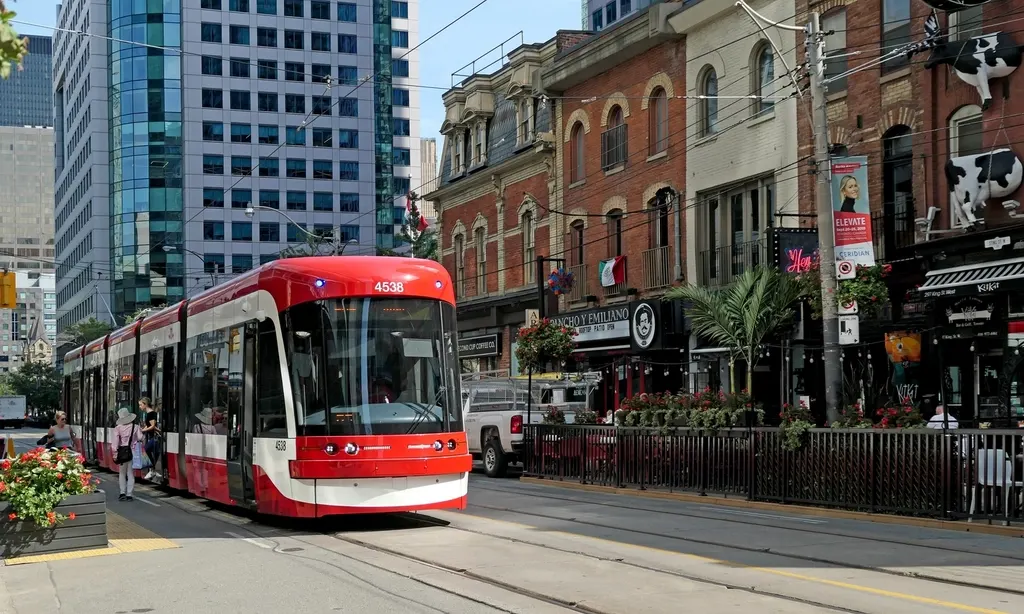
November falls outside the peak tourist window. Crowds at major attractions thin out noticeably compared to summer. Popular restaurants become easier to access, hotel rates drop from summer highs, and the city returns to a local rhythm. There is no public holiday listed for November, which means no unexpected closures beyond the regular weekend schedule. Services and attractions operate on normal hours.
The shorter days reshape how you move through the city. Morning light arrives late. Afternoon becomes the main window for outdoor sightseeing before darkness falls. Evenings feel long and cold. This shift encourages earlier starts and a focus on indoor activities as the day winds down.
What to See
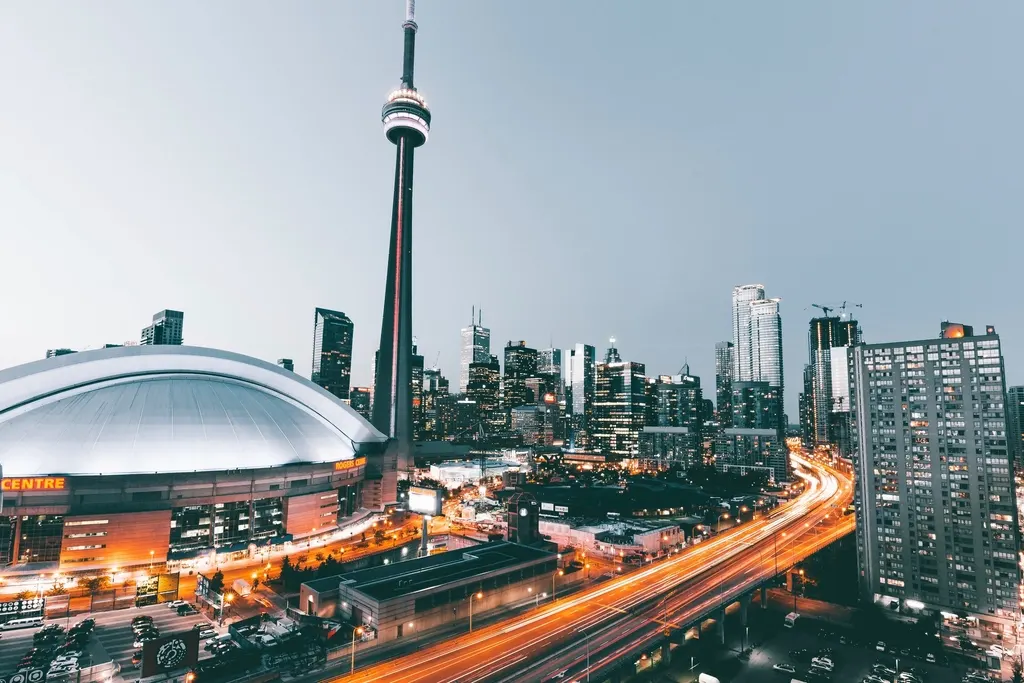
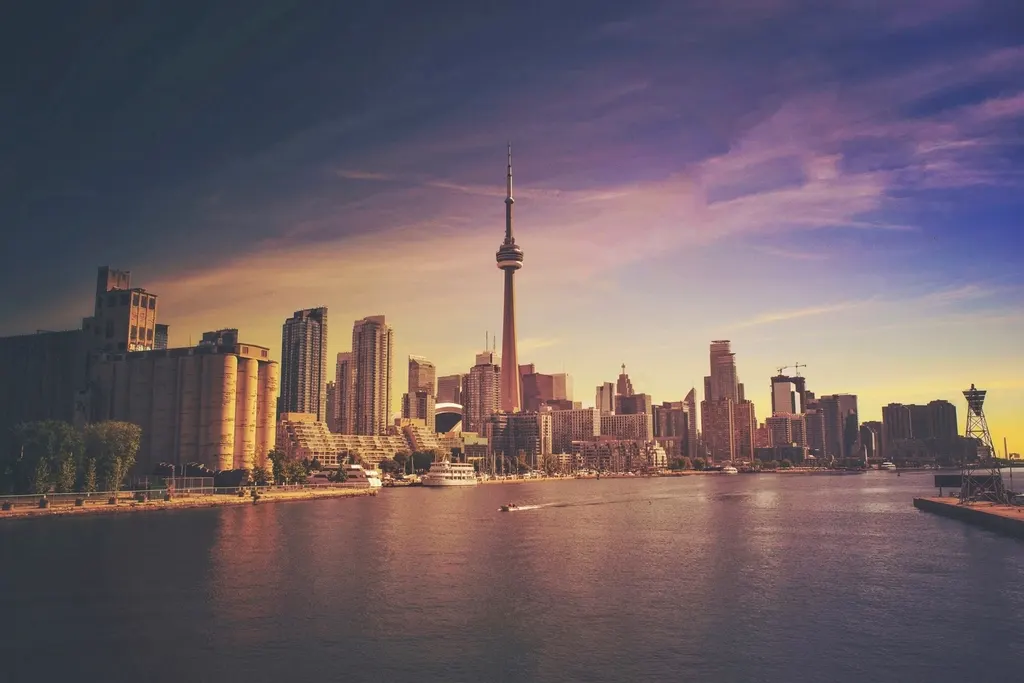
The CN Tower opened in 1976 and remains a defining structure of the city skyline. November is a practical time to visit. Clear days are rare, but when they arrive, the view extends across Lake Ontario and the downtown core. The lower visitor numbers of this season make the experience more relaxed. Dress warmly, as the observation deck sits well above street level and temperatures drop further with height.
The Royal Ontario Museum opened in 1912 and holds collections spanning natural history and world cultures. The indoor setting makes it a strong option for a rainy November afternoon. You can easily spend half a day moving through its galleries without feeling rushed. The building itself offers architectural interest, with modern additions contrasting against older sections.
The Rogers Centre opened in 1989 as a baseball venue. By November, the baseball season has ended. The stadium still hosts other events, so check the schedule before planning a visit. Even without a game, the structure is worth seeing from outside as part of a downtown walk. Its retractable roof has become a familiar part of the Toronto skyline.
How to Plan the Days
Structure your days around the available light. Start with a full breakfast and wait for morning warmth before heading out. From mid-morning until mid-afternoon, tackle outdoor sights. Head indoors before the temperature drops and daylight fades. Evenings work well for restaurants, theater, or quiet time at your accommodation.
The 66 millimetres of rain means you will encounter wet weather. Rotate between indoor and outdoor activities so a shower does not ruin your plans. A lightweight rain layer and water-resistant shoes handle most conditions. Layer your clothing so you can adjust as you move between heated interiors and cold streets.
Pace yourself. The shorter days and cooler temperatures drain energy faster than summer travel. Do not pack every hour. Leave room for rest and for changing plans if weather turns.
Practical Notes
The local currency is the Canadian dollar. Credit and debit cards are widely accepted in Toronto. Notify your bank before traveling to prevent card blocks. English is the primary language. Signs are clear and most people speak in straightforward ways. You should not encounter language barriers in tourist areas or when using transit.
Dress in layers. A base layer, a mid-layer like a sweater or fleece, and a waterproof outer shell form a flexible system. Gloves and a hat become necessary as evening approaches. Waterproof shoes handle rain and damp sidewalks. A small umbrella tucks into a bag for unpredictable showers.
What to pack
- Waterproof outer shell jacket
- Warm mid-layer such as a fleece or sweater
- Waterproof shoes with good grip
- Gloves and a warm hat
- Compact umbrella
Questions
How cold is Toronto in November?
Daytime highs reach 8 degrees Celsius and lows drop to 3 degrees Celsius. Nights feel cold, and the damp air increases the chill. Layer your clothing and expect variable weather throughout the day.
Is November a good time to visit Toronto?
November suits travelers who prefer fewer crowds and lower hotel rates. The weather is cool and damp. Outdoor sightseeing works in the middle of the day, but indoor attractions become the main focus.
How much daylight does Toronto get in November?
The city receives roughly 9.4 hours of daylight. Mornings stay dark for longer stretches and sunsets come early. Plan outdoor activities between late morning and mid-afternoon.