Dubai in November
7 October 2026, 4 min read
November is an excellent month to visit Dubai. The temperatures drop to a manageable 28°C (82°F), making outdoor exploration far more pleasant than in the summer months, though the city remains busy with tourists.
What the Weather Is Really Like
November brings a marked shift in Dubai. The average high settles at 28°C (82°F) and the low at 27°C (81°F), which compares favourably to the year's hottest months of August and July when temperatures reach 35°C and 34°C respectively. The coldest months of January and February sit at 22°C. November therefore occupies a comfortable middle ground. You will not need to retreat from the heat constantly, but neither will you feel a chill.
Rainfall is modest at 12mm for the month. This is not a wet destination and November sees no real deluge. Humidity sits at 60%, which is noticeable but not oppressive at these temperatures. Daylight stretches to 10.7 hours, meaning mornings are bright early and evenings arrive in the late afternoon. The sun is lower than in peak summer, making extended time outdoors far more feasible than it would be in June or July.
What the Month Feels Like in the City
Daylight is sufficient for a full morning of sightseeing, a break at midday, and an evening outing. The city does not shut down early, but darkness arrives sooner than visitors from western Europe or North America might expect. Plan your outdoor activities for the morning and late afternoon rather than the midday hours, even though the heat is no longer extreme.
There are no public holidays listed in November, which means attractions and services operate normally throughout the month. The absence of holidays does not mean thin crowds. Dubai draws visitors year-round and November falls within the high season. Popular sites and restaurants will be busy. If you prefer quieter conditions, book popular restaurants well in advance and consider visiting major attractions early in the day.
The city functions at a brisk pace. Pavements are shaded where possible, indoor spaces are well air-conditioned, and the infrastructure is geared toward those who want to pack multiple activities into a day. You can move between districts quickly, so the daylight hours are genuinely usable for sightseeing.
What to See
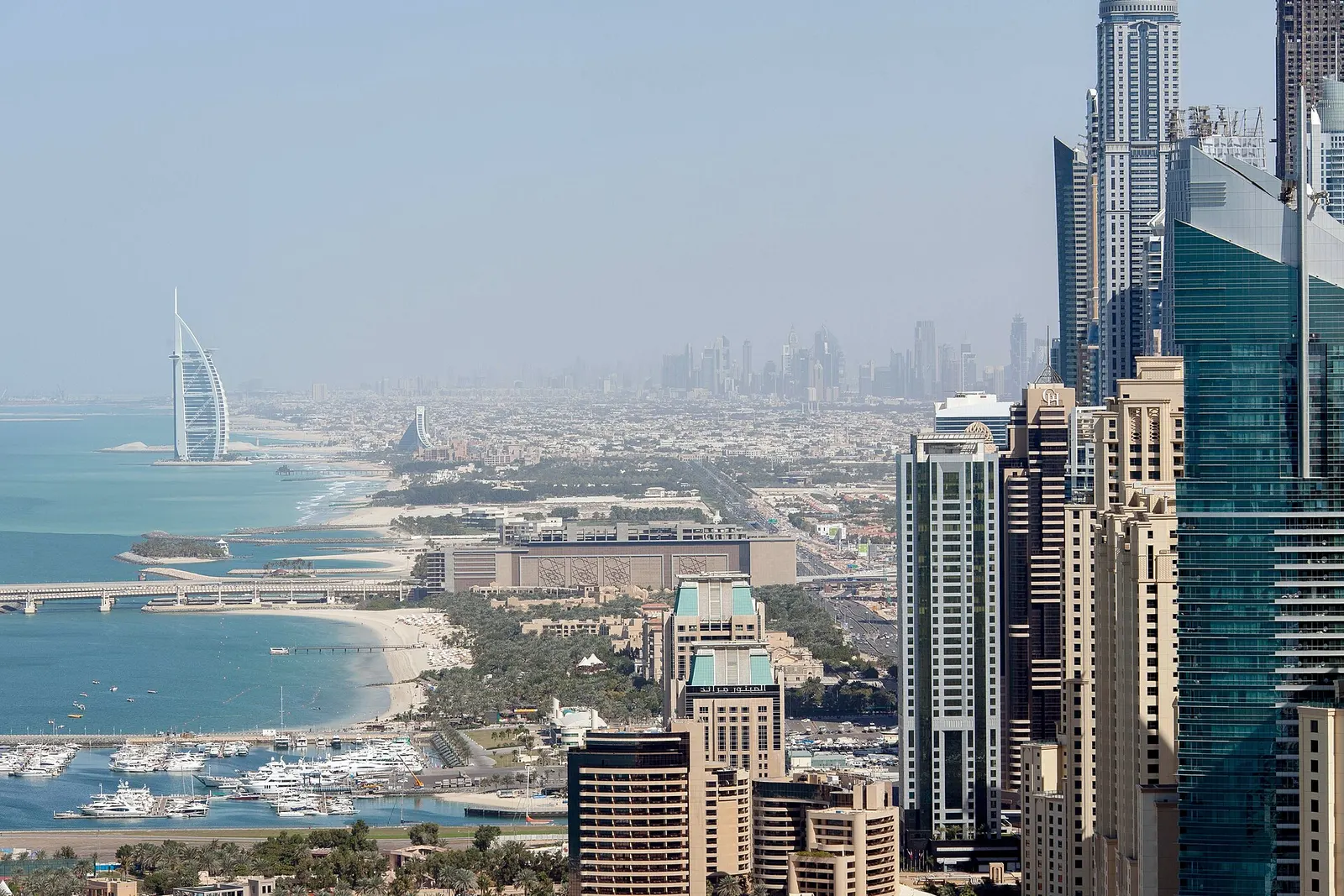
The Rose Tower opened in 2009 and stands as a distinctive hotel in the city skyline. Its modern silhouette is part of Dubai and it offers a convenient base if you prioritise location and service over heritage. November is a good month to make use of such a hotel's outdoor pool and terrace, which would be unpleasant during the summer months.
The Emirates Office Tower, built in 1999, is a commercial skyscraper that reflects the rapid development of Dubai's business district. The tower represents a period when the city was establishing itself as a regional financial hub. Walking around its base gives a sense of scale and ambition that defines the city.
The Jumeirah Emirates Towers Hotel, another skyscraper completed in 2000, occupies a prominent position in the financial district. The complex includes retail space and dining options, making it practical as well as architectural. November's cooler evenings suit a visit to such a complex when the heat of the day has passed.
How to Plan the Days
Structure your days around the available daylight and temperature. Start outdoors in the morning, break for lunch and rest in the early afternoon when the sun is at its peak, then return outside in the late afternoon. Evening can be spent at restaurants, in malls, or taking in the city from a terrace.
The 10.7 hours of daylight are sufficient for two substantive outings per day, one in the morning and one in the late afternoon. Indoor options such as malls, museums, and restaurants provide a natural break. The 12mm of rain will not disrupt plans significantly, but a light rain jacket or an umbrella is a sensible item to carry.
November suits a moderate pace. The temperatures no longer demand constant movement to air-conditioned spaces, but neither is this a destination where you will comfortably spend eight hours continuously on foot. Balance your itinerary with rest points and you will find the city very accessible.
Practical Notes
The local currency is the United Arab Emirates dirham. Credit cards are widely accepted in hotels, restaurants, and larger shops. ATMs are plentiful. The local language is Arabic, though English is prevalent in tourist areas, restaurants, and shops. You will not face a language barrier for everyday interactions.
Dress for 28°C (82°F) in the day and 27°C (81°F) in the evening. Light fabrics in natural fibres work well. Sun protection is still advisable even in November. A light layer is useful for air-conditioned interiors, which can be chilly after time in the warmth outside.
Footwear should be comfortable for walking on paved surfaces. Dubai is a modern city and the streets around major attractions are well maintained. If you plan to visit the beach, pack swimwear suitable for warm conditions rather than the heated pools you might find in cooler months.
What to pack
- Light clothing in natural fibres for daytime temperatures around 28°C
- A light layer or jacket for air-conditioned interiors and evenings
- Sun protection including sunscreen, a hat, and sunglasses
- Comfortable walking shoes for paved streets and tourist areas
- A compact umbrella or rain jacket for the 12mm of expected rainfall
Questions
Is November a hot month in Dubai?
November is warm but not extreme. The average high is 28°C (82°F), down from 35°C in August. It is comfortable for outdoor sightseeing during the cooler parts of the day.
Does it rain in Dubai in November?
November sees around 12mm of rain, which is modest. Rainfall is infrequent and rarely disruptive to travel plans.
Is Dubai crowded in November?
November falls within Dubai's high season. There are no public holidays listed that month, so attractions operate normally. Popular sites and restaurants should be booked in advance.