






 1 / 10
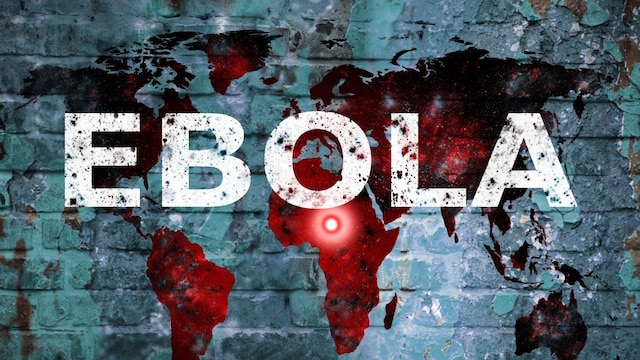
Countries Tightening Travel Measures | The Ebola outbreak in eastern Democratic Republic of the Congo (DRC) has led various governments to review border policies and health protocols. While approaches differ, the goal remains to mitigate the risk of imported infections and bolster readiness. (Image: Canva)
 2 / 10
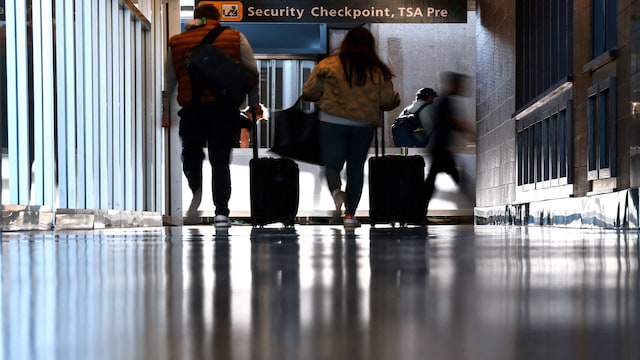
U.S. Expands Entry Restrictions | The United States has implemented stringent measures. Non-citizens who have recently visited the DRC, Uganda, or South Sudan are prohibited from entering. This policy has been extended to green-card holders who traveled to those nations in the last 21 days. Strict screening protocols are also being enforced. (Image: Canva)
 3 / 10
Canada Suspends Immigration Documents | Canada has temporarily halted immigration processes for foreign nationals residing in the DRC, Uganda, and South Sudan. Individuals with valid visas or permits are unable to travel to Canada during this period, although applications for immigration are still being processed. (Image: Canva)
 4 / 10
Bahrain Enforces Temporary Entry Ban | Bahrain has established a temporary prohibition on arrivals from the DRC, Uganda, and South Sudan. This restriction extends to individuals who have visited those countries in the last 30 days. Bahraini citizens are exempt but may encounter additional health protocols upon arrival. (Image: Canva)
 5 / 10
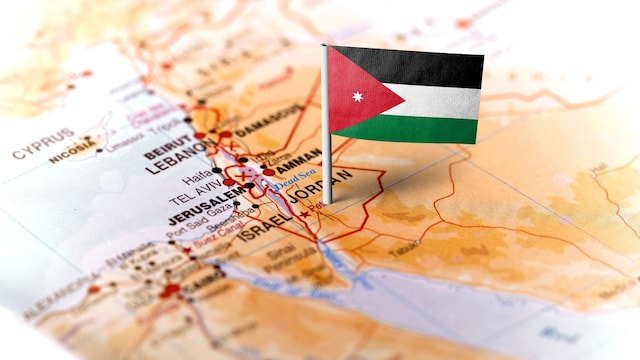
Jordan Implements Stricter Entry Policies | Jordan has introduced temporary travel restrictions related to Ebola for those arriving from impacted regions. This action is part of a broader initiative by regional governments to guard against foreign infections. (Image: Canva)
 6 / 10
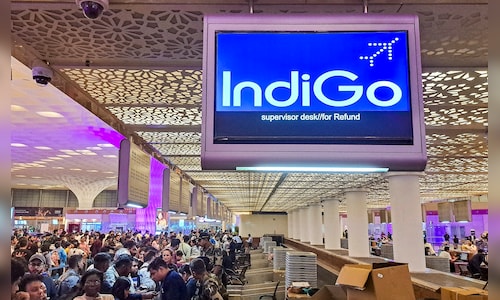
India Advises Against Non-Essential Travel | While India has not enacted a travel prohibition, it has recommended that citizens refrain from non-essential travel to the DRC, Uganda, and South Sudan. Health authorities are also enhancing monitoring and preparedness at airports and other entry points. (Image: Canva)
 7 / 10
Some Nations Focus on Screening Instead of Bans | Various countries have chosen not to enforce travel bans. Instead, many have ramped up health screenings, traveler monitoring, and medical examinations. Officials argue these strategies can effectively identify potential cases while still permitting travel to proceed. (Image: Canva)
 8 / 10
Airlines and Local Transport Experience Disruptions | The outbreak is impacting travel operations significantly. Some airlines have implemented enhanced health protocols, and authorities in affected regions have increased scrutiny at airports and checkpoints. Previously, flights to and from Bunia in eastern DRC were suspended until limited services resumed under tougher health guidelines. (Image: Canva)
 9 / 10
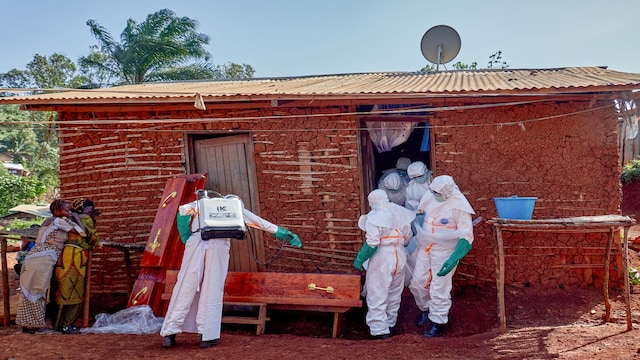
Health Experts Express Concern | Specialists indicate that the outbreak poses numerous challenges. The virus is spreading in conflict-affected regions and areas with high population movement, complicating the tracking of contacts and containment efforts. There are also worries about the rapid transmission rate and the potential for cross-border spread. (Image: Reuters)
 10 / 10
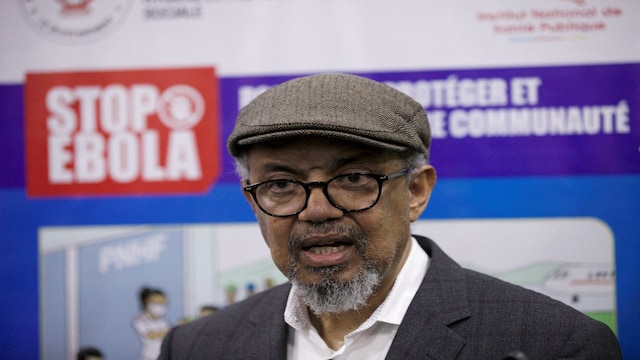
WHO Advocates Caution Over Panic | In light of travel restrictions implemented by various countries, the World Health Organization (WHO) has urged against blanket travel and trade bans. The organization emphasizes that effective tools for managing the outbreak include strong surveillance, timely detection, contact tracing, and global collaboration. (Image: Reuters)