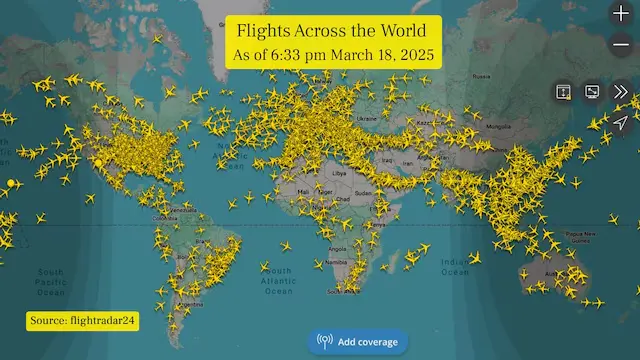
Any global conflict can profoundly influence the aviation sector’s operations, affecting flight routes, travel times, and consumer pricing. The current situation in West Asia exemplifies this trend. (Image: flightradar24 screenshot)
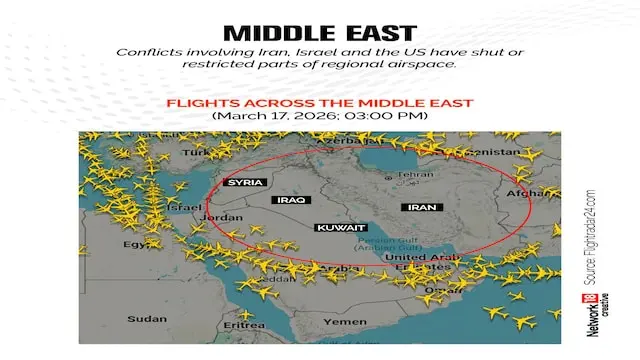
A significant portion of the airspace in the West Asian area has been shut down. Data from Flightradar24 as of March 17 indicates minimal activity within the airspace of Iraq and Syria and adjacent regions.
Effects are especially prominent in narrow corridors, particularly in the Caucasus region connecting Europe and Asia, which are experiencing heightened air traffic. Currently, the flight duration from London to Tokyo has increased by an additional two hours. (Image: Canva)
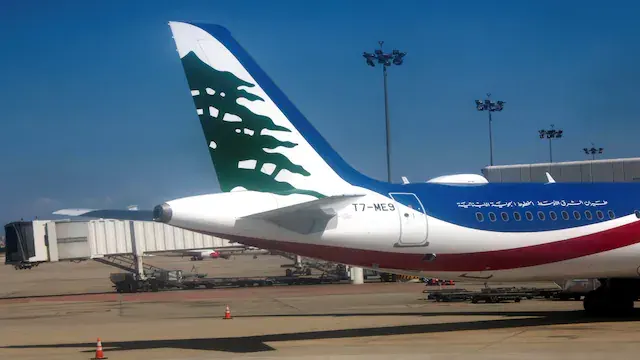
The conflict has caused substantial disturbances in flight operations. As of March 17, around 66% of flights were canceled at Doha’s Hamad International Airport, with an additional 5% experiencing delays. Dubai International Airport reported 28% cancellations and 64% delays, while similar figures were seen at Riyadh’s King Khalid International Airport and Abu Dhabi’s Zayed International Airport, with cancellations at 54% and 86% delays, respectively. (Image: Reuters)

Increased flight durations also lead to higher carbon emissions, alongside rising ticket prices. For example, detours due to the war in Ukraine resulted in a 13% increase in average fuel consumption, contributing to 8.2 million tonnes of carbon output in 2023. (Image: Canva)