Istanbul in November
7 October 2026, 4 min read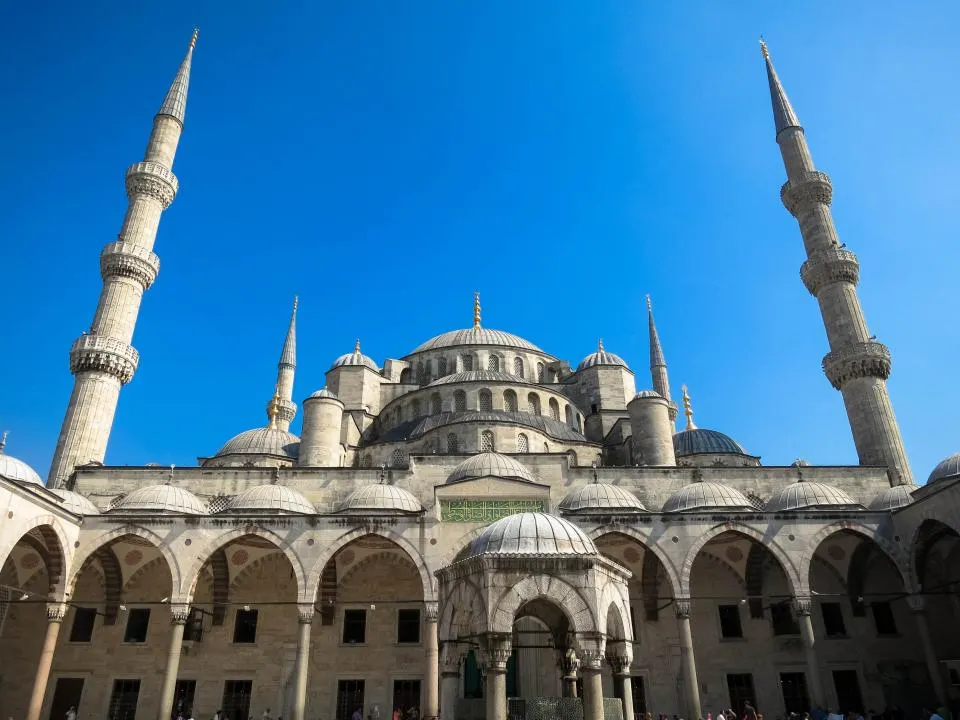
November works well for most visitors, particularly those who want to see the city's major sights without the peak-season crush. It suits travellers who do not need beaches or long daylight hours and who are comfortable planning around some rain.
What the Weather Is Really Like
November in Istanbul brings a high of 15°C and a low of 10°C, which is a marked drop from the summer peak of 29°C in July and August. It is also noticeably milder than January, the coldest month, when the high averages 8°C. The city sits at an elevation of roughly 100 metres above sea level, and the Bosphorus keeps the temperature from swinging too sharply between day and night at this time of year. Pack layers rather than heavy winter gear.
Rain is a regular feature. November receives about 63mm of precipitation spread across the month, and the humidity holds at around 80 percent. This is not a downpour every day, but the drizzle and overcast skies are persistent enough to require a water-resistant jacket and closed shoes. The 9.7 hours of daylight means mornings are dark until after seven, and darkness falls before six in the evening. Plan accordingly.
What the Month Feels Like in the City
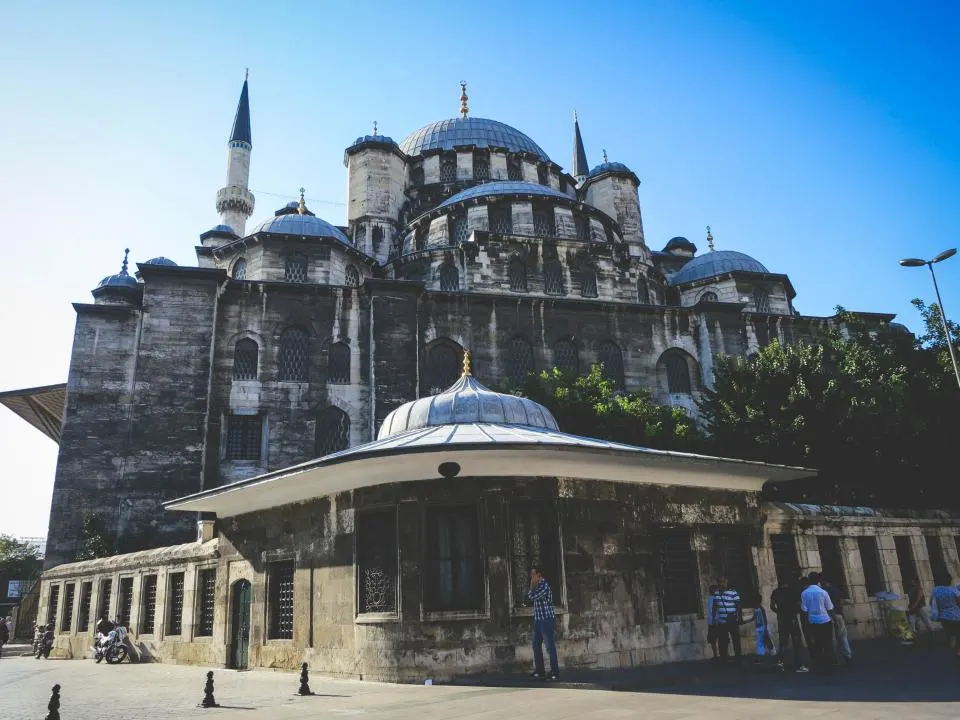
The shorter days shift the rhythm of the city. There is less pressure to start early, which takes some of the urgency out of sightseeing. Cafes and restaurants along the Bosphorus remain open, and the waterfront walks that are stifling in July and August become pleasant in November. The light during these months has a flat, grey quality that suits photography of the city's domes and minarets differently than the harsh summer sun would.
November sits outside the main holiday periods, and no public holidays fall within this month. This means there are no enforced closures or long-weekend disruptions to worry about. Visitor numbers are lower than in the summer months and the winter holiday season. Museums and palaces feel less crowded, and getting a table at popular restaurants is easier without advance notice. The city is still fully operational for tourists.
What to See
Topkapı Palace, built in 1460, is well suited to November. Its extensive courtyards and outer grounds offer open space that is enjoyable in cool, quiet weather, while the inner chambers provide shelter when rain arrives mid-afternoon. The palace tells the story of Ottoman imperial life across several centuries, and the reduced crowds mean you can move through the harem and treasury at a reasonable pace without feeling rushed.
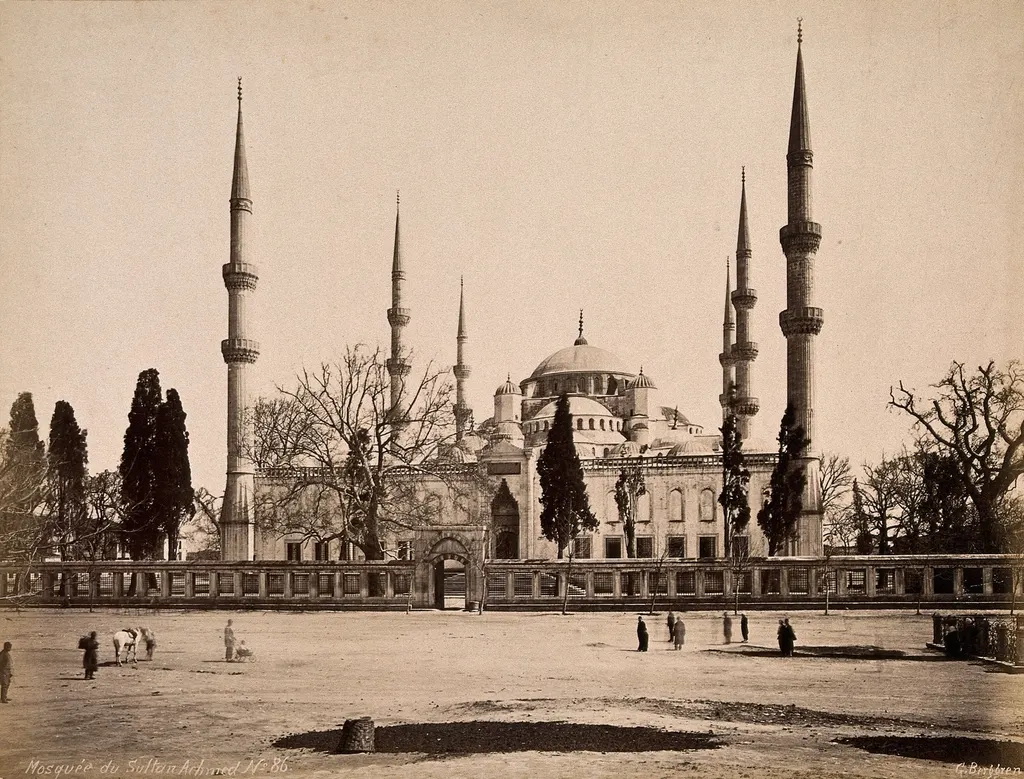
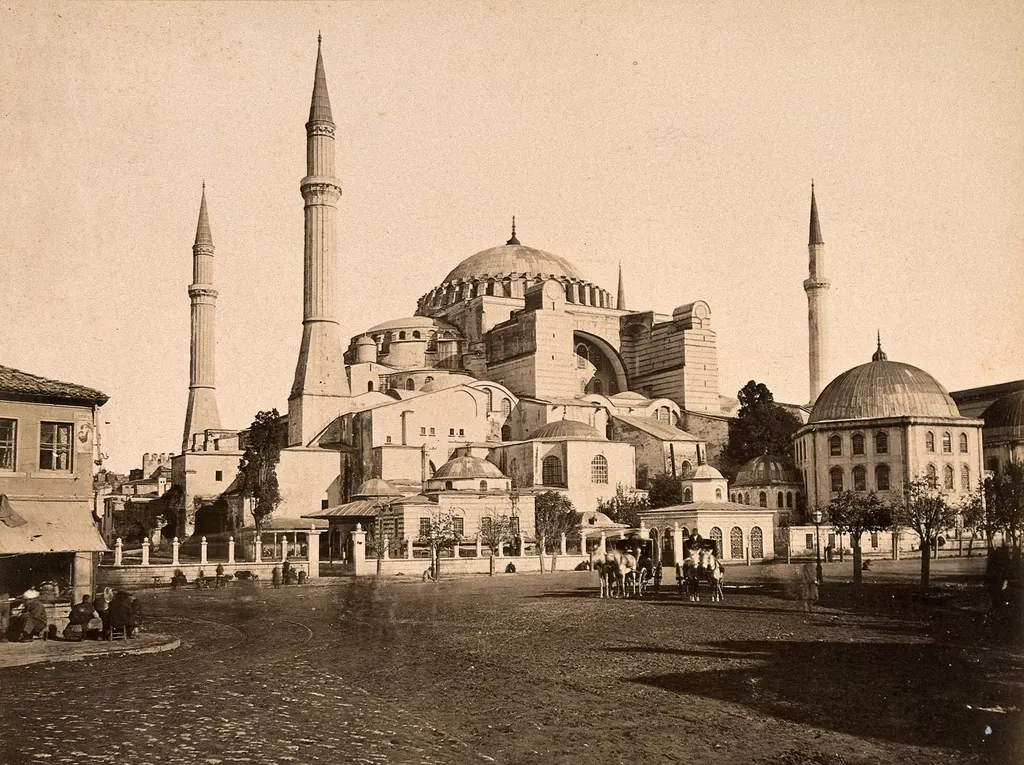
The Hagia Sophia, originally completed in 532, and the Sultan Ahmed Mosque, opened in 1609, stand near each other in the historic peninsula and can be combined in a single outing. Both are large indoor spaces, which makes rain less of a disruption to the visit. The interior light in November is softer than in summer, and the famous tilework and domes read clearly without the glare of direct sun.
The Bosphorus Bridge, opened in 1973, connects the European and Asian sides of the city. November is a good month to cross it on foot or by tram, as the temperatures are comfortable for standing on the bridge and looking south toward the Sea of Marmara. The crossing gives a practical sense of the city's geography that is harder to appreciate from inside a tour bus in hotter months.
For a different angle on the city, the Galata Tower, built in 1349, rises above the Karaköy neighbourhood. Climbing the tower takes roughly twenty to thirty minutes depending on wait times. The views over the Golden Horn and the old city are unobstructed on clear November days, and the surrounding area has several small museums and bookshops worth exploring if rain drives you indoors.
How to Plan the Days
With under ten hours of daylight, mornings do not start until after seven, so there is no reason to force an early hotel departure. A practical approach is to begin sightseeing around nine or ten, visit one major outdoor or semi-outdoor site in the morning, take a long midday break for lunch and a rest, then return to a second site in the early afternoon. This pace avoids the fatigue that comes from trying to pack too much into short, dark days.
The rain in November means keeping at least one indoor activity in reserve each day. If the weather turns wet mid-morning, have a museum, a hammam, or an indoor market lined up as a fallback. The Grand Bazaar and the Spice Bazaar are both covered and provide good shelter while still offering something to see and do. Evenings tend to cool quickly, so dinner reservations from seven onward make sense, though few sights stay open late at this time of year.
Practical Notes
The currency in Turkey is the Turkish lira. Exchange rates fluctuate, and it is worth checking the current rate before departure. Credit cards are accepted at most hotels and larger restaurants, but smaller shops, local transport, and some market vendors still operate in cash. ATMs are widely available, including near the major tourist sites.
The language spoken is Turkish. In areas heavily visited by tourists, some shop owners and restaurant staff speak English, but it is useful to have a translation app or a phrasebook for more everyday situations. A polite attempt at a few Turkish greetings goes a long way.
For November temperatures of 10 to 15°C, pack a medium-weight jacket, a sweater or two, and comfortable walking shoes with good grip for wet cobblestones. An umbrella is worth carrying, though a hooded jacket can serve the same purpose in lighter rain. Bring one pair of waterproof shoes or boots if you have space, as dry feet make a noticeable difference when walking between sites in the rain.
What to pack
- A medium-weight waterproof jacket and a compact umbrella
- Two or three warm layers including a sweater or fleece
- Waterproof walking shoes or boots with good traction
- A small daypack to carry layers and rain gear as the temperature shifts
- A universal travel adapter if your devices use non-European plugs
Questions
Is November a good month to visit Istanbul for sightseeing?
Yes, November offers comfortable temperatures and lower visitor numbers, making it easier to see major sites without large crowds. Rain is the main drawback, so have indoor options ready.
What should I pack for Istanbul in November?
Bring layers, a waterproof jacket, and sturdy shoes suitable for wet cobblestones. Temperatures range from 10 to 15°C, so medium-weight clothing handles the conditions better than heavy winter gear.
Are the major tourist sites open in November?
Yes, all major museums, palaces, and mosques remain fully open in November. No public holidays fall within the month, so there are no unexpected closures to plan around.