Kyoto in November
7 October 2026, 5 min read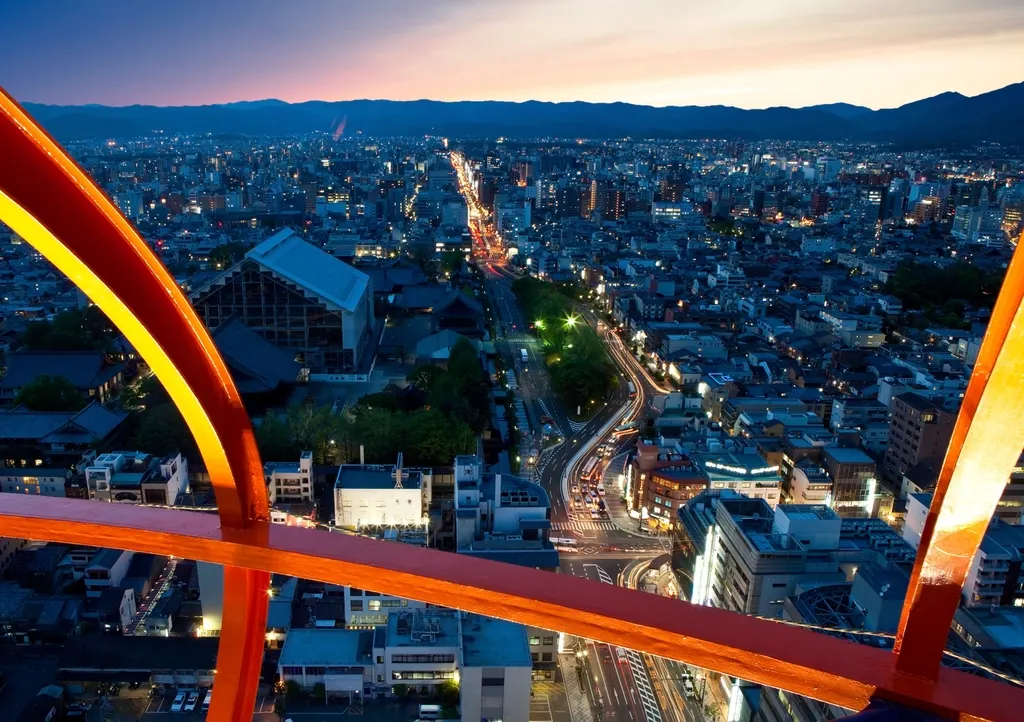
November is a strong month to visit Kyoto. The weather is mild and the autumn colours make the temples and gardens rewarding to walk through. The month suits travellers who can manage some rain and limited daylight.
What the Weather Is Really Like
In November, Kyoto reaches a high of 14 degrees Celsius and falls to around 6 degrees at night. This is noticeably warmer than January, when the city sits at 6 degrees, but considerably cooler than August at 29 degrees. The month marks a clear shift toward winter. You should expect cold mornings, especially if you are up early to visit outdoor sites.
Rainfall averages 96 millimetres across November, and humidity sits at 84 percent. That combination means damp mornings and surfaces that dry slowly even when the rain stops. Daylight is just over ten hours, which limits the window for outdoor sightseeing compared with the longer days of summer. November sits between the warm months and the coldest period, so you are getting the tail end of comfortable walking weather before winter fully arrives.
The transition means you can still spend time outdoors comfortably during the middle of the day, but mornings and evenings require more preparation. Cold air settles in valleys and around water features, which affects some temple approaches more than others. If you are visiting gardens with open lawns, expect to feel the chill earlier in the day than you would near buildings or covered walkways.
What the Month Feels Like in the City
November has two national holidays in Japan. Culture Day falls on 3 November and Labour Thanksgiving Day on 23 November. Government offices and some museums close on these days, so it is worth checking individual site opening hours in advance if either date falls inside your trip.
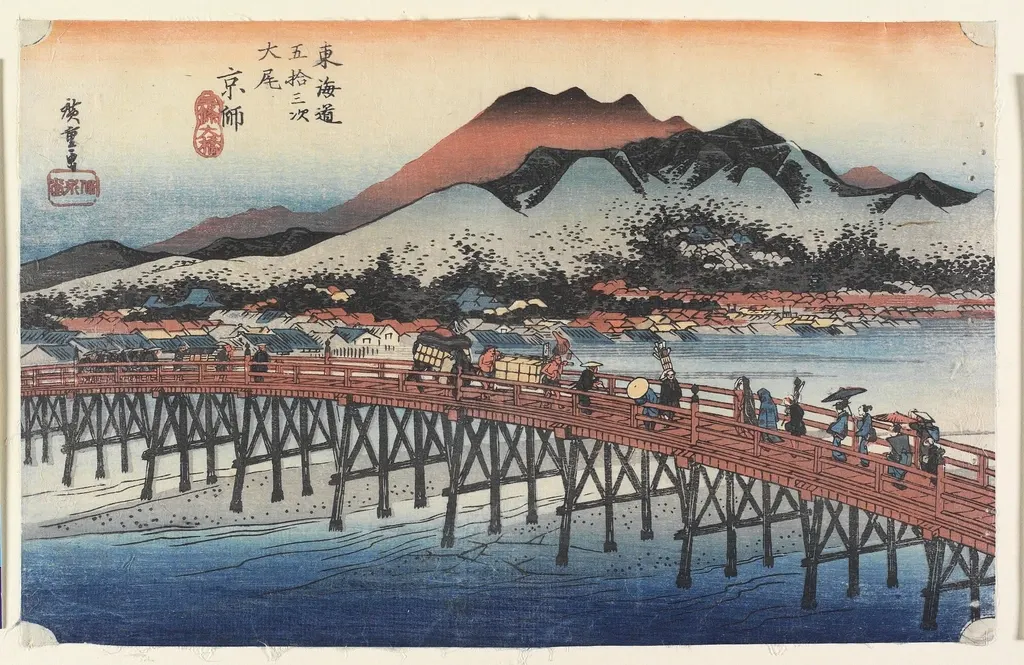
Crowds thin compared with the peak autumn weeks of October, though popular temples still draw visitors. The shorter daylight hours push most activity toward the middle of the day. Cool mornings and early evenings make indoor attractions more appealing at either end of your day. You will notice fewer tourists at major sites compared with October, which can make for a more contemplative experience at places like temple gardens.
The city itself feels quieter in November. Local life continues as normal in residential areas and markets. Cafes and restaurants are busy without being overcrowded. The autumn season brings seasonal foods to menus, including warming dishes that suit the cooler weather. You can expect to find chestnut and mushroom dishes alongside more familiar options.
What to See
Kiyomizu-dera is a Buddhist temple built in 778. Its large wooden stage overlooks the city and the surrounding hills. The temple works well in November because you can combine outdoor grounds with the covered walkways and halls that protect from light rain. The approach to the temple passes through a traditional shopping street, which gives you somewhere to warm up if the morning is cold.
Kinkaku-ji Temple is a Japanese garden built in 1397, famous for its pavilion covered in gold leaf reflected in the surrounding pond. Autumn leaves reflect in the water here and the garden is compact enough to visit even in limited daylight or light rain. The site takes roughly thirty to forty-five minutes to walk through properly, making it a manageable addition to a day that includes other stops.
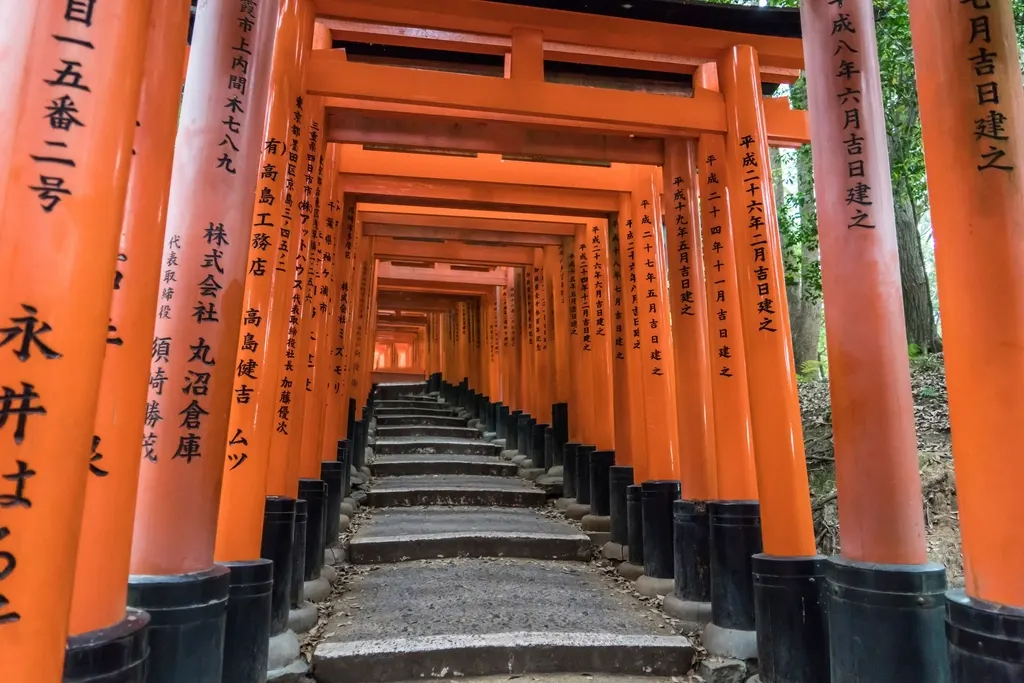
Fushimi Inari-taisha is a Shinto shrine built in 711. The famous tunnel of orange torii gates winds up the mountain behind the main shrine. November mornings are cold but the climb is not demanding and the gates provide shelter from rain. The upper slopes see fewer visitors than the base, so if you want more quiet, heading further up the mountain rewards you with solitude.
Ryōan-ji Temple is a Buddhist temple built in 1450 known for its rock garden. The garden can be viewed from a covered corridor, which makes it a reliable choice on wet or cold days when you need to get out of the weather. The temple grounds also include a pond garden that you can walk around when conditions allow.
Ginkaku-ji Temple is a Japanese garden built in 1465. Unlike its golden counterpart, this temple has a more subdued aesthetic with sand gardens and a moss-covered slope. The walk through the grounds is pleasant in November, and there are covered areas where you can pause and take in the surroundings without exposure to rain.
How to Plan the Days
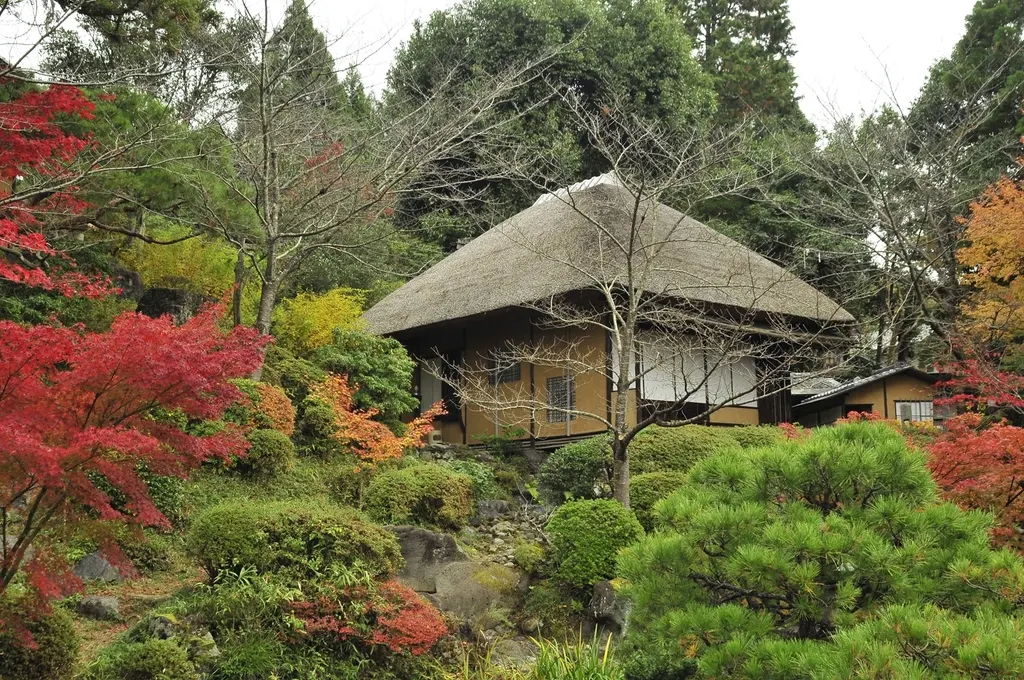
Start outdoor sightseeing around mid-morning when the air has warmed and surfaces have dried. By early afternoon you can move to indoor sites or find a café to wait out any rain. The ten hours of daylight mean you lose natural light in the late afternoon, so plan to be at your evening venue before the sun sets.
Give yourself time to warm up between outdoor visits. A temple garden followed by a museum or gallery works well. Ryōan-ji and other sites with covered viewing areas let you pause without stopping your day entirely. Wet paths can be slippery, so allow extra time to move carefully between locations.
Reserve one or two indoor options for days when rain is heavier. Kyoto has several museums and traditional craft centres that are worth visiting when the weather does not cooperate. These give structure to a day without requiring you to push through uncomfortable conditions. Pace yourself across your whole trip rather than trying to see everything at once.
Practical Notes
The local currency is the yen. Cash is useful for smaller restaurants and temple entrances, though larger hotels and shops in the city accept cards. Japan uses Japanese as the primary language.
Temperatures between 6 and 14 degrees Celsius mean layering works best. A warm jacket, a layer you can remove during the day, and a scarf are practical for the temperature swings from morning to afternoon. Waterproof shoes or boots handle the rain and protect against cold ground. Gloves and a hat are useful for early mornings and evenings when the temperature drops further.
Bring a compact umbrella even if rain is not forecast. Humidity at 84 percent means drizzle can appear without warning, and having an umbrella gives you flexibility. If you are visiting multiple temples in one day, a bag that keeps your hands free is more useful than a backpack you need to manage.
What to pack
- A warm jacket that handles light rain
- Layers including a fleece or midlayer top
- Waterproof shoes with good grip
- A compact umbrella for unexpected showers
- Gloves and a hat for cold mornings and evenings
Questions
Does it rain all month in Kyoto in November?
November sees around 96 millimetres of rain spread across the month. Showers come and go rather than lasting all day, but you should expect damp conditions and wet ground.
Are tourist sites open on Culture Day and Labour Thanksgiving Day?
Many government-run sites close on these national holidays. Private temples and most restaurants remain open, but it is worth checking individual hours for places on your list.
How cold does it get at night in Kyoto during November?
Nighttime temperatures drop to around 6 degrees Celsius. If you plan to be out after dark, bring a warm layer and consider closing doors and windows in your accommodation if you feel the cold.