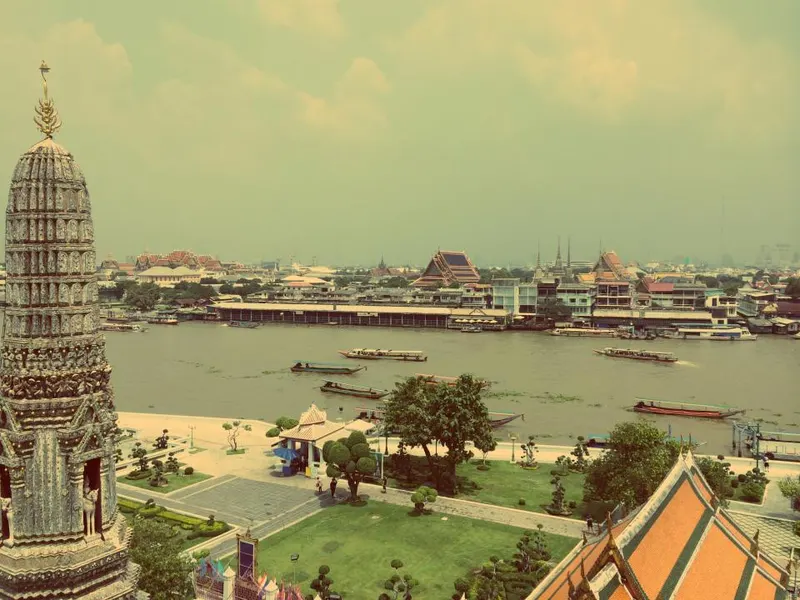
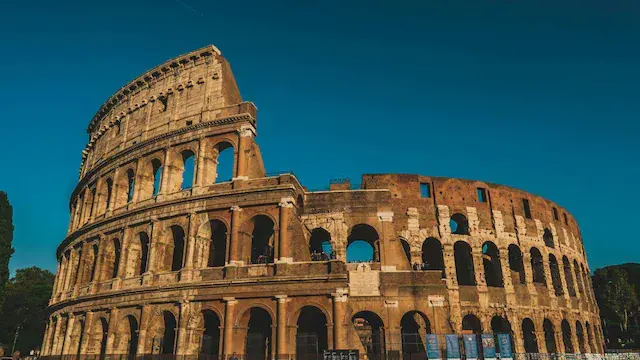
Italy: Italy leads the globe with 61 UNESCO World Heritage Sites, featuring famous attractions such as Rome’s Historic Centre, Venice and its Lagoon, Pompeii, and the Dolomites. Its rich heritage from Roman times through the Renaissance, coupled with stunning natural scenery, has allowed it to maintain the highest number of UNESCO listings globally. (Image: Canva)
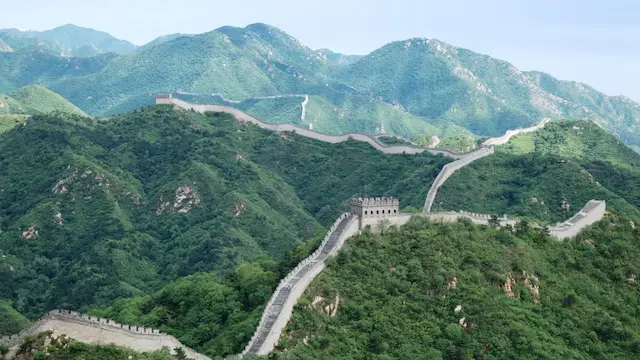
China: China follows closely with 60 UNESCO World Heritage Sites. Highlights include the Great Wall, the Forbidden City, Mount Huangshan, and the Giant Panda Sanctuaries. These sites embody centuries of history, spectacular architecture, archaeological finds, and significant natural habitats. (Image: Canva)
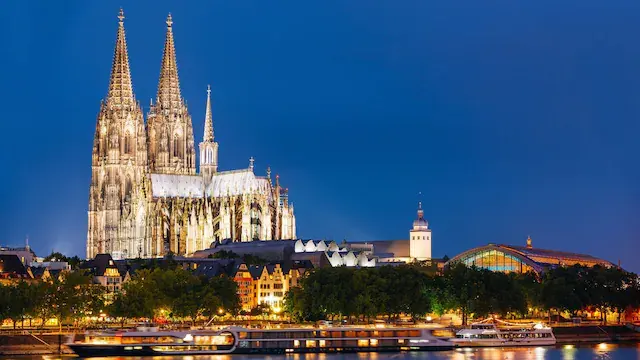
Germany: Germany boasts 55 UNESCO World Heritage Sites, showcasing historic churches, industrial monuments, and natural wonders. Notable sites include Cologne Cathedral, the Bauhaus Sites, and the Upper Middle Rhine Valley, reflecting the nation’s architectural legacy and cultural development. (Image: Canva)

France: France features 54 UNESCO World Heritage Sites, including the Palace of Versailles, Mont-Saint-Michel, the Loire Valley, and the historical banks of the Seine River in Paris. These landmarks embody France’s profound artistic, architectural, and historical influences throughout the ages. (Image: Canva)
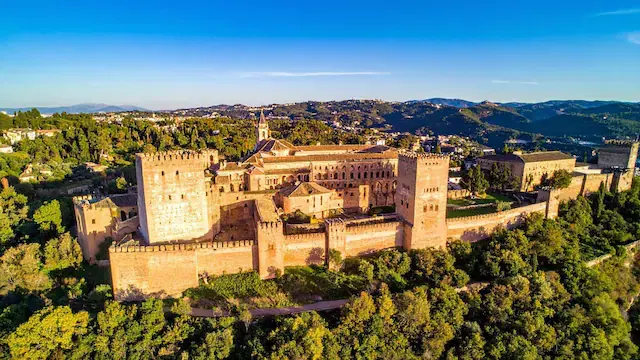
Spain: Spain is home to 50 UNESCO World Heritage Sites, showcasing a range from Roman relics to Moorish buildings and modernist creations. Prominent sites include the Alhambra, the works of Antoni Gaudí, Toledo, and Santiago de Compostela. (Image: Canva)
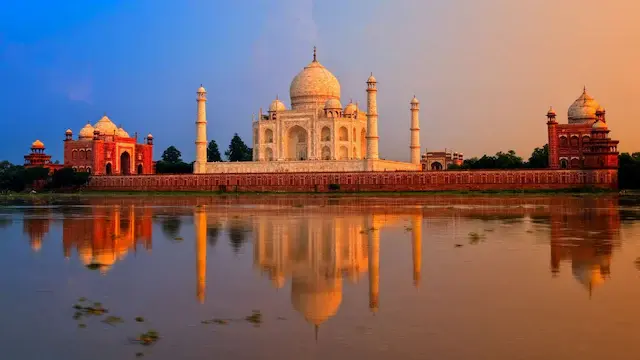
India: India boasts 44 UNESCO World Heritage Sites that reflect its rich cultural and natural legacy. This includes the Taj Mahal, Jaipur City, Hampi, Kaziranga National Park, and the Western Ghats, epitomizing centuries of history, architecture, biodiversity, and living traditions. (Image: Canva)
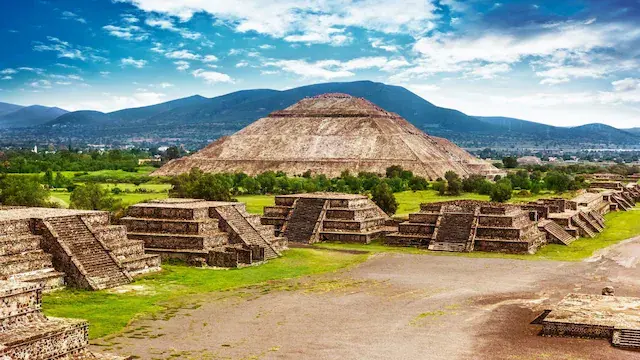
Mexico: Sharing seventh place, Mexico has 36 UNESCO World Heritage Sites. Notable ones include Chichen Itza, Teotihuacan, the Historic Centre of Mexico City, and the Monarch Butterfly Biosphere Reserve, showcasing the nation’s ancient cultures and ecological wealth. (Image: Canva)
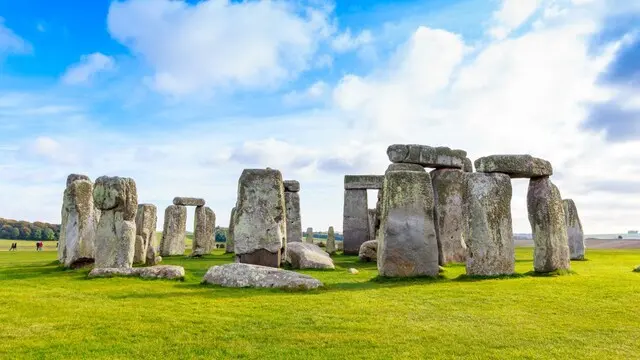
United Kingdom: The United Kingdom also has 36 UNESCO World Heritage Sites. From historical landmarks like Stonehenge and the Tower of London to natural wonders such as the Giant’s Causeway and the picturesque Lake District, these listings reflect a rich tapestry of prehistoric monuments and royal heritage. (Image: Canva)
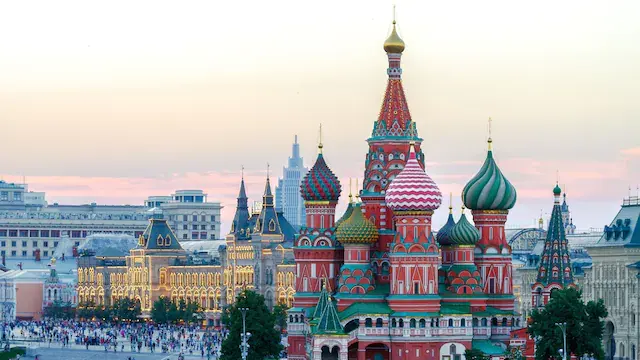
Russia: Russia features 33 UNESCO World Heritage Sites, including notable places such as the Kremlin and Red Square, Lake Baikal, the historic centre of Saint Petersburg, and Kamchatka’s volcanoes, showcasing the nation’s vast cultural and natural diversity. (Image: Canva)
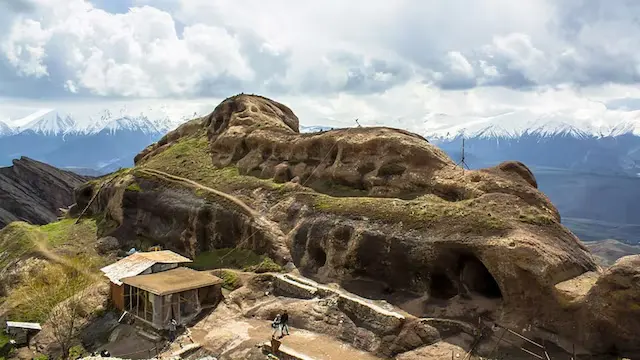
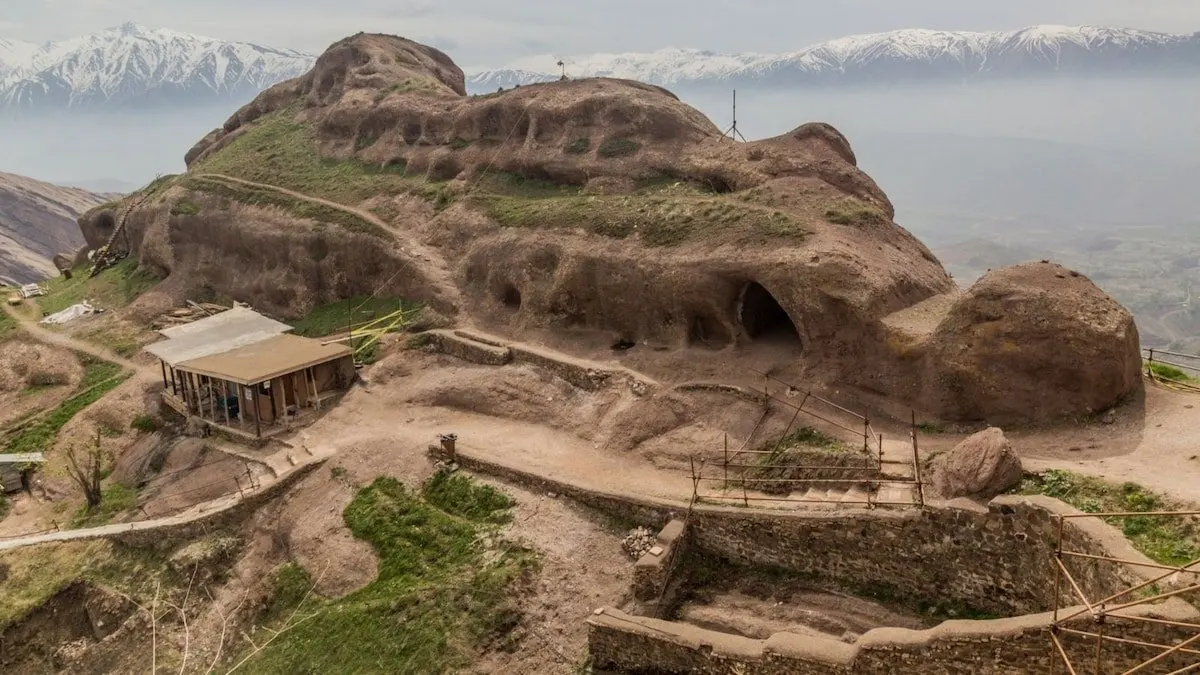
Iran: With the addition of Alamut Castle and six related medieval fortresses in Qazvin Province, Iran enters the top 10 globally with 30 UNESCO World Heritage Sites. UNESCO notes that this fortress ensemble acted as the political, military, and intellectual hub for the Nizari Ismailis since the late 11th century. This designation is anticipated to enhance cultural preservation and boost tourism. (Image: Wikimedia Commons)