Paris in November
7 October 2026, 3 min read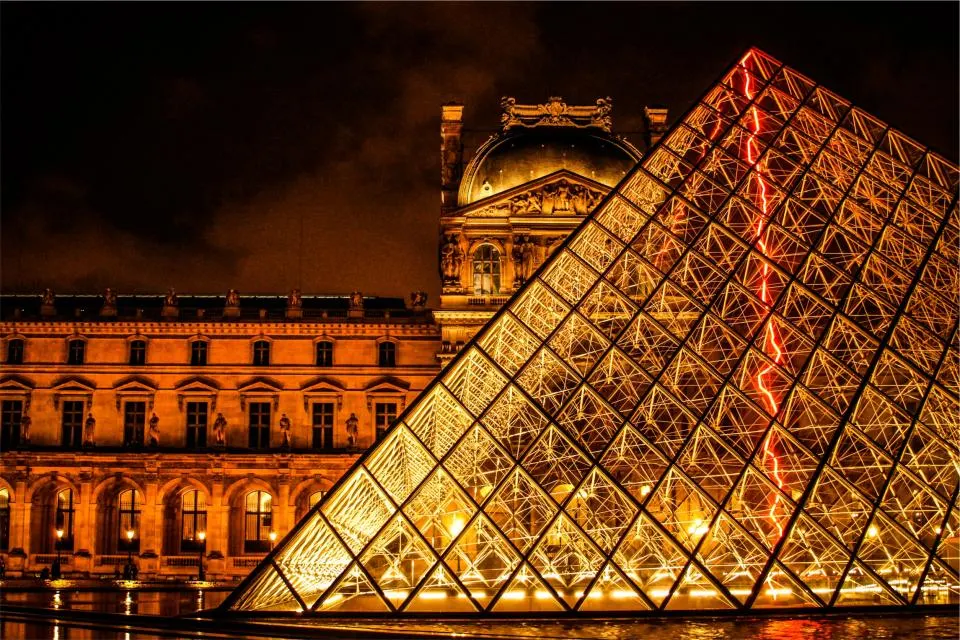
November is a solid choice for Paris. Crowds thin and prices drop, though you will need to tolerate rain and limited daylight. It suits the traveller who wants to see the city at its most unhurried.
What to Expect From the Weather
November in Paris brings an average high of 12°C and an average low of 6°C. That is notably cooler than October's 18°C and a degree above December's 9°C, placing the month squarely in the cool season. For context, the warmest months are July and August, both reaching 27°C. The coldest month is January at 8°C. So November sits well below the annual peak but remains milder than deep winter.
Rainfall measures around 53mm across the month, with humidity often at 91%. You can expect damp days rather than downpours, but carry a waterproof layer regardless. Daylight is short, at roughly 8.9 hours per day. Combine that with overcast skies and you will notice it gets dark in the late afternoon. Plan outdoor sights for the morning whenever possible.
The Feel of the City This Month
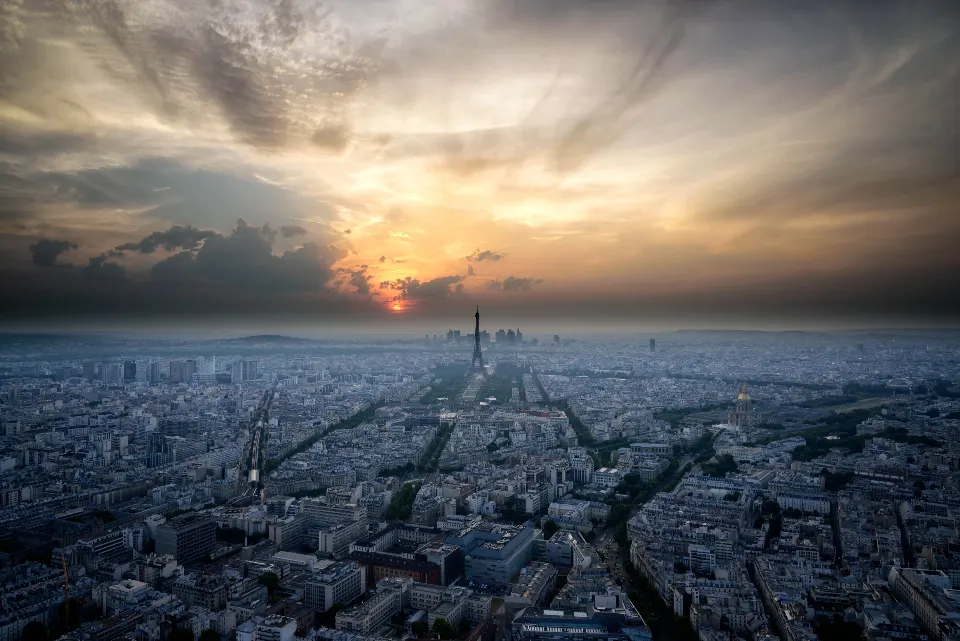
November quiets the pace. School holidays have ended and the summer tourist wave is long gone. Museums and restaurants feel more accessible, and it is easier to secure a table without a reservation weeks in advance. The city does not feel empty, but the atmosphere shifts toward locals going about their daily lives.
Two public holidays fall within the month. All Saints' Day on 1 November and Armistice Day on 11 November mean that some shops, post offices, and smaller businesses close for the day. Plan accordingly and check opening hours on those dates. Otherwise, the city functions normally. November also marks the slow build-up toward end-of-year festivities, with some streets already showing early decorations.
What to See
The Louvre, an art museum that opened in 1793, is a sensible choice in November. With fewer visitors than peak season, you can move through the galleries without the density of summer crowds. The interior is vast, so prioritise what you want to see rather than trying to cover everything in one visit.
The Musée d'Orsay, an art museum opened in 1986, houses an extensive Impressionist collection. Its airy, light-filled upper galleries suit a grey November afternoon better than you might expect. Pair it with a walk along the Seine afterward.
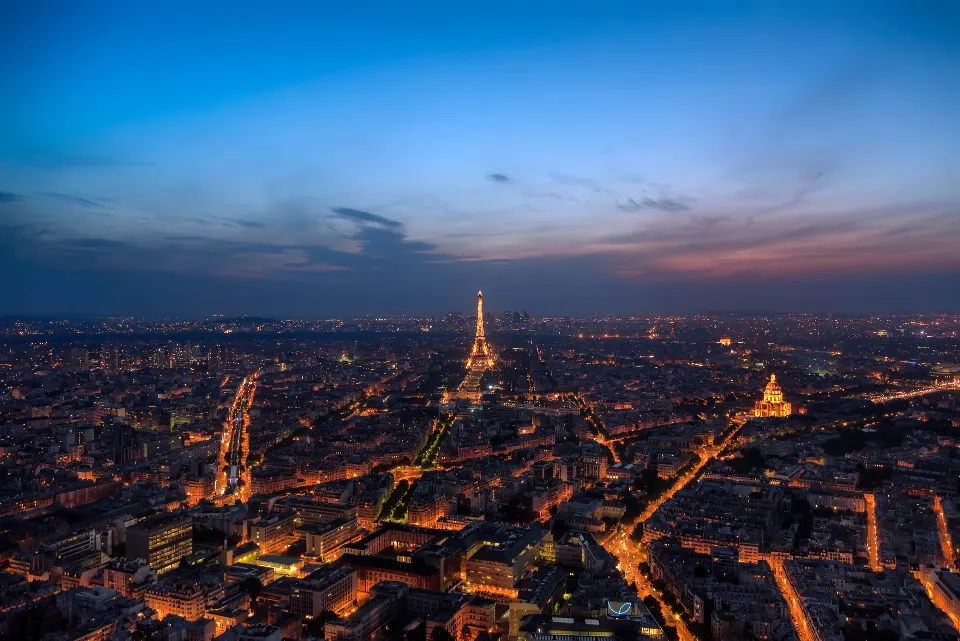
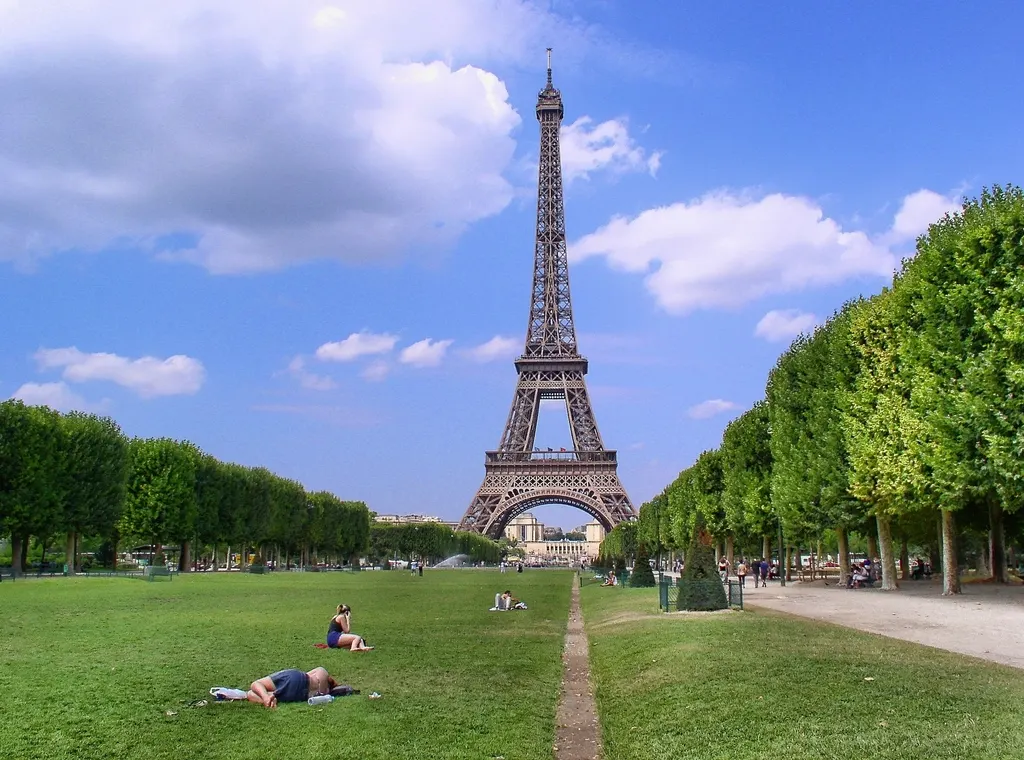
The Eiffel Tower, an observation tower completed in 1887, is worth visiting early in the day. Morning light is better for photographs, and the summit closes earlier than in summer due to reduced daylight hours. Check the schedule before you go.
Centre Georges Pompidou, a museum building opened in 1977, is particularly well suited to a wet afternoon. The building itself is worth studying, and the collection inside spans modern art through to contemporary work. Notre-Dame de Paris, a minor basilica from 1163, remains under restoration. You can view it from the outside, but interior access is not yet available.
Planning Your Days
With only about 8.9 hours of daylight, mornings are your most reliable window for outdoor sightseeing. Start early, work through an outdoor sight or neighbourhood walk, then shift indoors by early afternoon. This pattern helps you avoid the deepest grey of late afternoon while still making the most of what daylight there is.
Rain and high humidity mean indoor alternatives are essential. Rotate between museums, churches, covered markets, and cafés. Do not schedule every day back-to-back outdoors. Build in time to sit, warm up, and adjust plans if the weather turns damp. Pacing matters more than itinerary volume.
Practical Notes
The local currency is the euro. Most cards are accepted, though carrying a small amount of cash remains useful for small purchases and places outside the city centre. The language spoken is French. A few phrases will go further outside tourist areas, but staff in major museums and hotels generally manage in English.
Dress for cool and damp conditions. Layers work better than a single heavy coat. A waterproof jacket, closed shoes, and something warm for the evenings will serve you better than anything summery. Temperatures in the evenings can feel notably colder than the daytime figures suggest.
What to pack
- A waterproof jacket or coat
- Layers including a warm sweater or fleece
- Comfortable, waterproof shoes for walking on wet cobblestones
- A compact umbrella
- A scarf or light hat for evenings
Questions
Is November a good time for sightseeing in Paris?
Yes, provided you are prepared for short days and damp weather. Crowds are lower and prices tend to be cheaper than in high season.
Will museums be open on public holidays?
Major national museums such as the Louvre usually remain open, but some smaller businesses and shops close on All Saints' Day and Armistice Day.
What should I wear in Paris in November?
Bring layers, a warm outer layer, and waterproof outerwear. Temperatures range from roughly 6°C to 12°C, and rain is common.