Prague in November
7 October 2026, 3 min read
November is a reasonable time to visit Prague if you come prepared for cold and early darkness. It suits the traveller who prioritises atmosphere and space over warmth and long sightseeing days.
What the Weather Is Really Like
November in Prague is genuinely cold. The average high sits around 7 degrees Celsius, and mornings and evenings frequently drop to freezing or below. Daylight lasts roughly 8.7 hours, and with 43 millimetres of rain spread across the month and humidity at 90 percent, the damp cold settles into the city in a way that feels different from crisp, dry cold elsewhere. Once the sun drops, which happens by half past four, the temperature falls fast.
For context, the warmest months see averages around 26 degrees Celsius. November is 19 degrees colder than peak summer. There is no reliable snow this early in the winter, though it can appear toward the very end of the month. Some travellers find the grey season suits the city better than bright July does. Others simply want to be elsewhere.
How the Month Feels in the City
November 17 marks Struggle for Freedom and Democracy Day, a significant public holiday in the Czech Republic. Some government offices and banks will be closed, but most museums, restaurants, and tourist sites remain open. It is not a day of large public gatherings that typically disrupts travel plans.
Outside the holiday, the city is quiet. Fewer visitors crowd Charles Bridge or Old Town Square. Hotel rates are lower than in peak season. Wait times at major sites are shorter. This is not empty, but it is a different Prague from the July version, and the difference is noticeable in the streets and at the ticket counters.
What to See
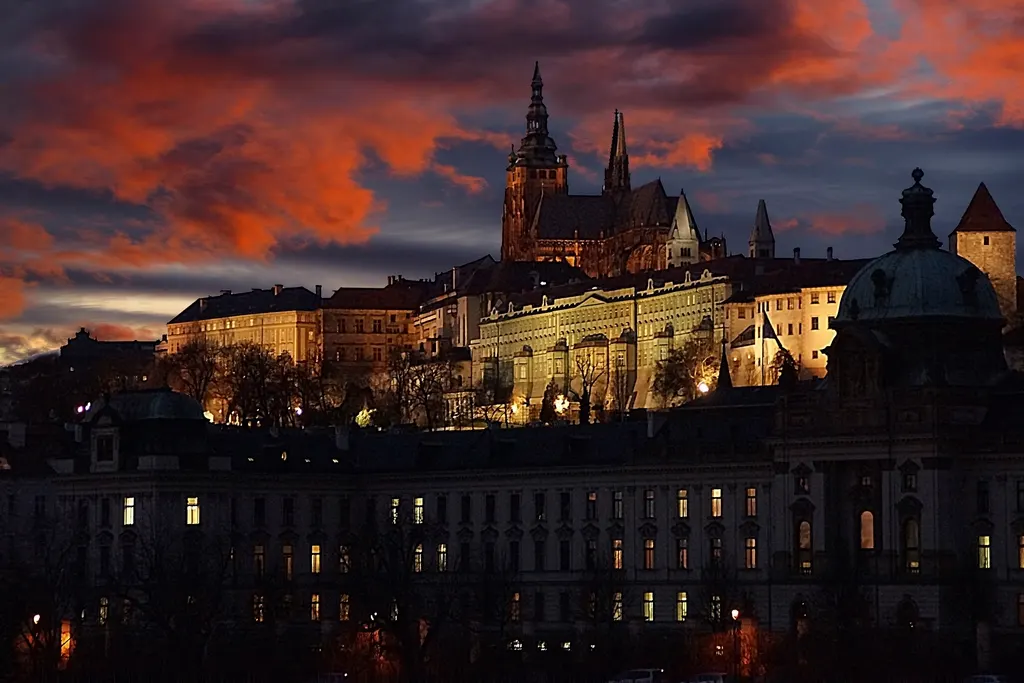
Prague Castle works well in November. The castle complex, built beginning in the year 900, includes St. Vitus Cathedral and the Golden Lane. Autumn and early winter tend to bring thinner crowds, which means more space to move through the grounds at a reasonable pace. The Gothic stone reads differently against an overcast sky. Early morning visits work best, and the interior of the cathedral is free to enter.
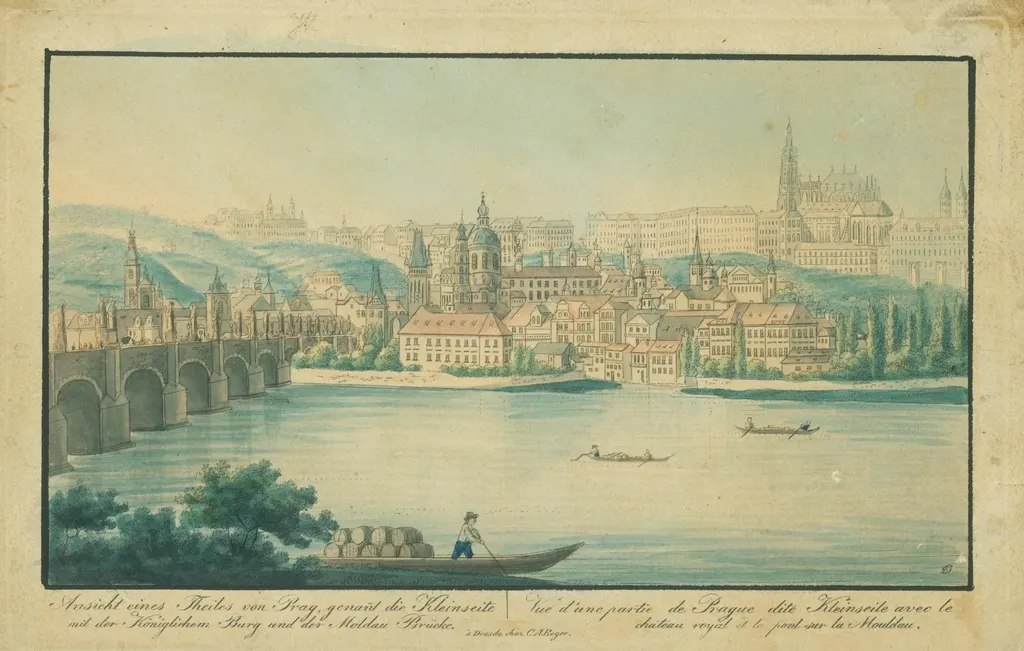
Charles Bridge, built in 1357, has a particular appeal in November mist. The Vltava River looks different in grey light. Fewer street vendors and buskers line the walk. It is worth crossing once in the morning and once in the early evening, but this is a brief outdoor experience rather than a place to linger in cold weather.
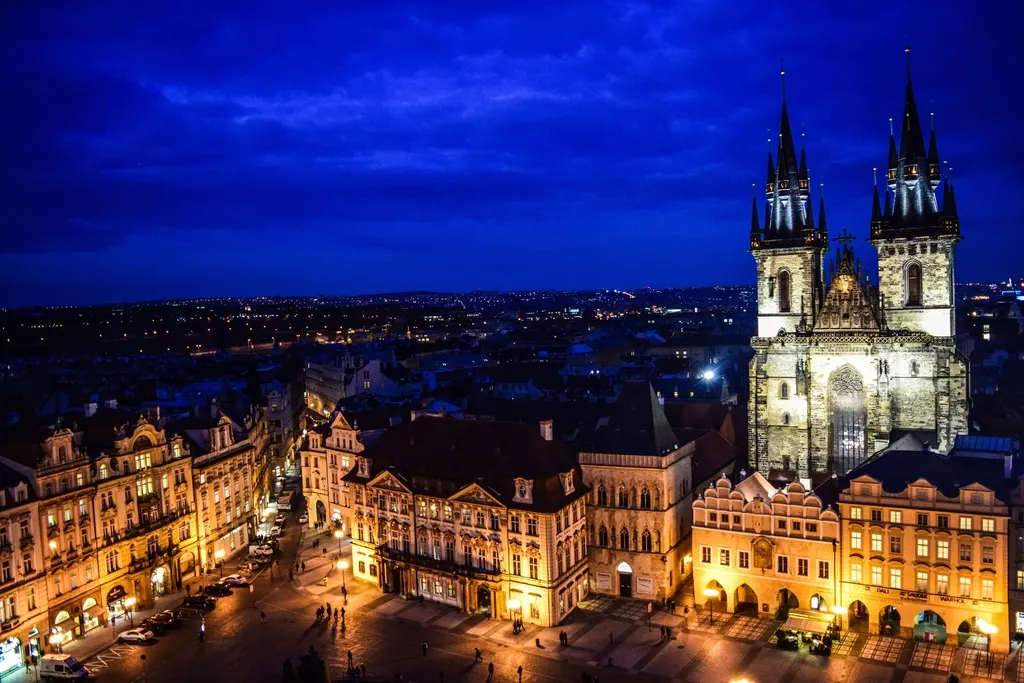
St. Vitus Cathedral, built starting in 1344, pairs naturally with a walk across the bridge on a rainy afternoon. The interior is free and impressive. The National Museum in Prague, opened in 1818, is a reliable choice for covering several hours out of the rain on Wenceslas Square. Beyond these, November is a reasonable month for any of Prague's major outdoor sites. Reduced visitor numbers mean shorter waits at the Prague Astronomical Clock and more room in the squares. The Church of Our Lady before Tyn, built in 1380, stands well in any season. Vysehrad is best skipped unless the weather is particularly kind.
How to Plan the Days
The core logic of a November day in Prague is straightforward. Use mornings for outdoor sightseeing while the light holds. Plan for indoor activities in the afternoon, when rain is more likely to arrive. Accept that evenings arrive early and build dinner plans around that reality.
Most sites open around nine in the morning. Starting early matters more than it would in summer. The National Museum is a good fallback when weather closes in. A boat trip on the Vltava is available year-round but has limited appeal in November wind and rain. By evening, the city turns inward. Concerts in Baroque churches, opera, and the city's beer halls take over, and this suits the season.
Practical Notes
The currency is the Czech koruna. Euro is not widely accepted, so plan to withdraw koruna from an ATM or use a currency exchange rather than paying in euros.
Czech is the official language. English is common in the main tourist areas and most hotels and restaurants catering to visitors. A translation app is useful for less tourist-oriented places.
November dressing is a layering problem. Mornings can be near freezing. Afternoons may reach 7 degrees. A coat that can handle both without overheating is the central item. Waterproof footwear matters more than in dry months. By late afternoon and evening, a proper winter coat becomes necessary. By five in the afternoon, the cold is unambiguous.
What to pack
- A warm winter coat that handles wet cold
- Waterproof shoes or boots with good grip on wet stone
- Layers that can be added or removed between morning and afternoon
- Gloves and a hat, which become necessary by mid-afternoon
- A rain shell worn over warm layers when rain arrives
Questions
Is November a good month for the price of flights and hotels?
November falls between peak summer and the Christmas season. October through March generally offer lower accommodation rates than June through September. November can represent good value, though this varies by year.
What indoor activities work well when it rains?
The National Museum, St. Vitus Cathedral, and church concerts are reliable rainy weather options. Beer halls and the opera also draw visitors in November and require no weather planning.
Do the shorter days affect what I can see?
The 8.7 hours of daylight means starting no later than nine in the morning and accepting that outdoor sightseeing winds down by four in the afternoon. This is a real constraint compared to summer months.