Reykjavik in November
7 October 2026, 3 min read
November works well for those who find shoulder-season quiet more appealing than crowds. The city rewards visitors who come prepared for cold, wet conditions and limited daylight, and who plan their hours rather than wandering without a plan.
What the Weather Is Really Like
November in Reykjavik sits between the coldest months and the brief summer, with high temperatures around 5 degrees Celsius and lows at the freezing mark. By contrast, July reaches 15 degrees at its warmest, making November roughly 10 degrees colder than peak summer. The coldest months, January and February, dip to around 3 degrees, so November sits only a couple of degrees above the annual low.
The city receives 132 millimetres of rain across the month, and humidity sits at 91 percent. This combination means precipitation is frequent and the air holds a persistent dampness that settles into clothing. Visitors should expect wet conditions on most days rather than dry stretches.
What the Month Feels Like
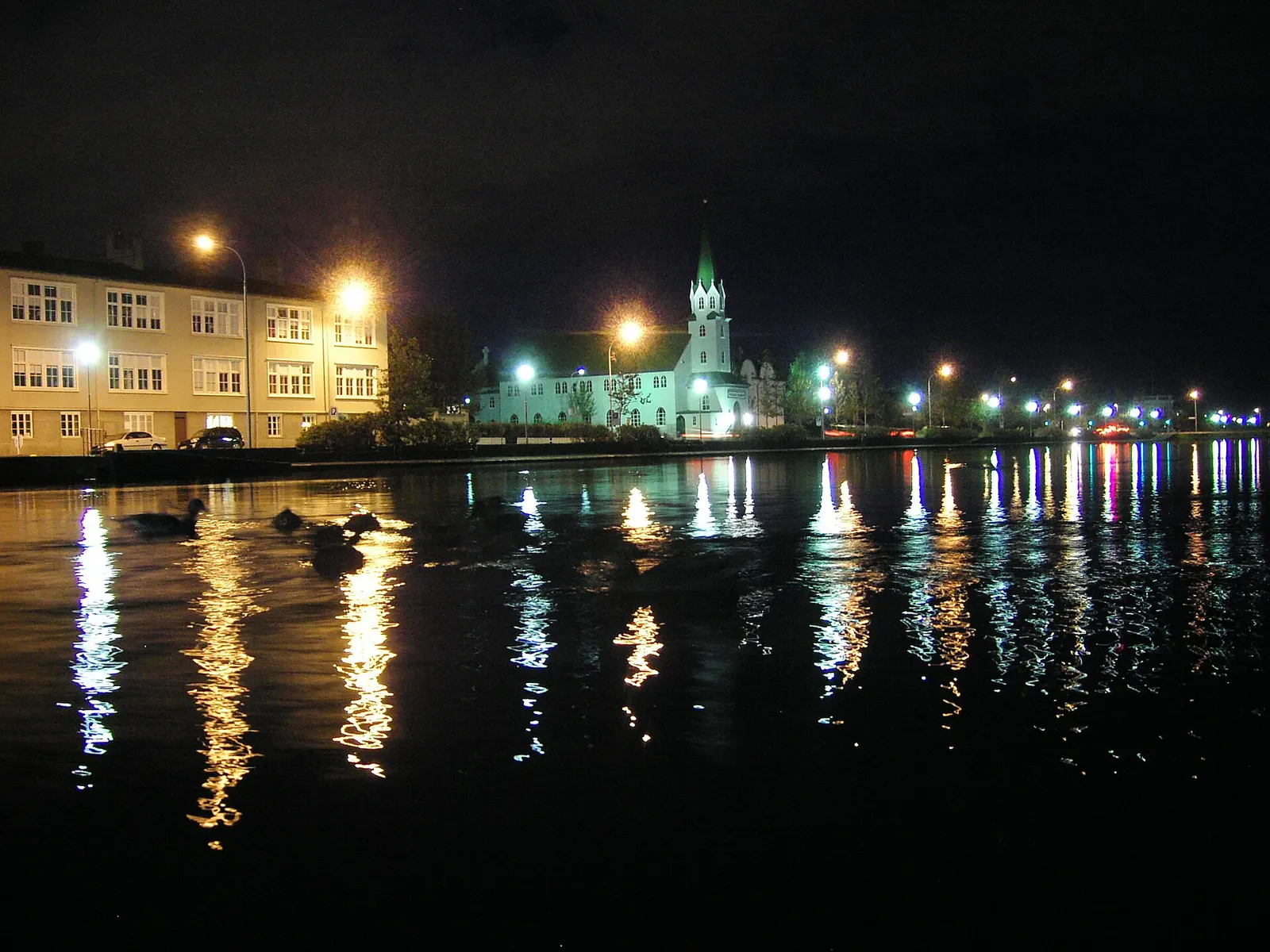
Daylight lasts roughly 5.9 hours in November, meaning the city spends most of each cycle in darkness or deep twilight. Morning light arrives late and fades early, reshaping daily rhythms. The absence of extended daylight changes how the city operates, with outdoor sightseeing compressed into a narrow window.
There are no public holidays listed in November's data, so visitors do not need to plan around closures or special operating arrangements. The city functions on its normal schedule, which for a capital of roughly 139,000 people means steady foot traffic in tourist areas. November sits outside the main summer season, so popular attractions see steady visitors.
What to See
Hallgrimskirkja, the church building opened in 1986, rises above the city with its distinctive concrete tower. The building offers an interior worth seeing in its own right, but November adds a particular quality to the surrounding Laugardalur neighbourhood. Wet stone and dim skies give the concrete a darker tone, and the reduced daylight means the church stands out more sharply against the skyline. The afternoon hours, brief as they are, provide the best window for exterior photographs.
The Icelandic Phallological Museum, opened in 1997, has built a highly unusual collection. The museum presents an academic approach to its subject matter, and the compressed daylight of November makes indoor activities more appealing by default. A visit takes one to two hours, fitting comfortably into a short winter afternoon. The museum's location in the city centre keeps it accessible regardless of weather.
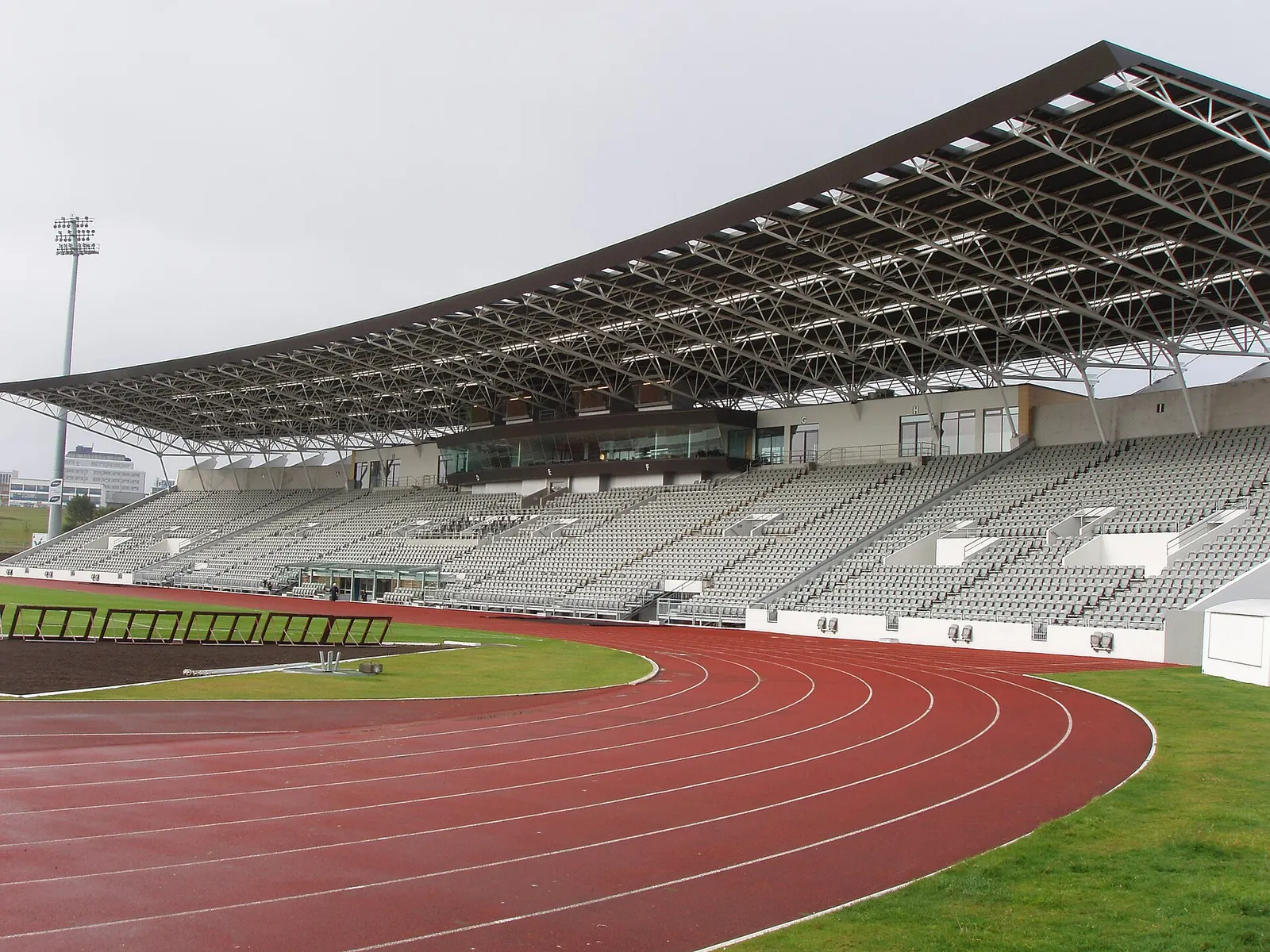
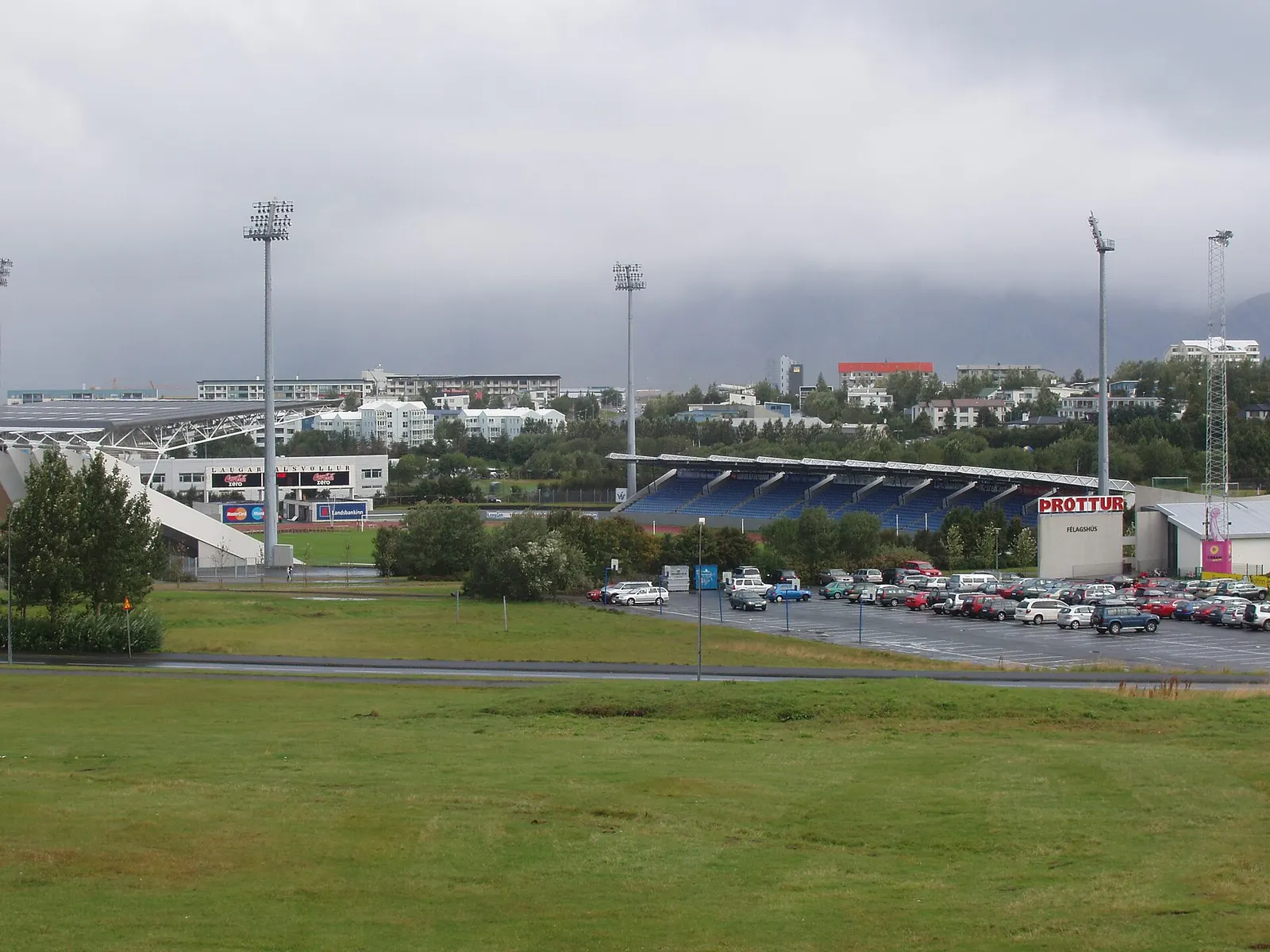
Laugardalsvollur, the association football venue, sits in the Laugardalur valley. November is not the football season in Iceland, so the stadium itself remains quiet, but the surrounding park area stays open. The valley is sheltered enough to offer a manageable walk on drier days, and the changing rooms and facilities are worth noting for any future summer visit.
How to Plan the Days
With less than six hours of usable daylight, spreading activities across the full day makes sense. Morning hours, even when dark, can be spent in cafes or museums before heading outside around mid-morning when light arrives. This approach preserves energy and avoids the temptation to rush outdoor sightseeing into a single afternoon block.
Indoor and outdoor activities should alternate. A morning walk through a neighbourhood can be followed by a long lunch and a museum visit. As afternoon light fades, another indoor stop works better than pushing into the evening darkness for views. Rain will interrupt outdoor plans, so building flexibility into the schedule prevents frustration when a downpour arrives.
Practical Notes
The local currency is the Icelandic krona. Exchange rates fluctuate, and credit cards are widely accepted, but carrying some cash for smaller purchases remains useful. The local language is Icelandic, and while English is common in tourist areas, learning a few basic phrases helps in everyday situations.
Temperatures ranging from 0 to 5 degrees Celsius require layering. A base layer, a warm middle layer, and a waterproof outer shell form the foundation. Gloves, a hat, and sturdy waterproof footwear handle the 91 percent humidity and frequent rain. Layers matter more than heavy clothing, since moving between heated interiors and cold streets demands quick adjustment.
What to pack
- Waterproof jacket with a hood that handles wind-driven rain
- Thermal base layers for warmth beneath any outerwear
- Gloves that allow some finger movement for using a phone or camera
- Waterproof footwear with good traction on wet pavement
- A small daypack or bag cover to protect belongings during rain showers
Questions
Will it snow in Reykjavik in November?
Snow is possible but not guaranteed. Temperatures hover around freezing, so precipitation may fall as snow, sleet, or rain depending on conditions.
Can I see the northern lights in November?
November falls within the typical northern lights season, but sightings depend on solar activity and cloud cover rather than the month itself.
Are tourist attractions open in November?
Most attractions remain open on their regular schedules. The absence of public holidays means no unexpected closures during November.