Rio de Janeiro in November
17 October 2026, 3 min read
November is a solid choice for travelers who want warm weather without the peak season crowds. The month suits first-time visitors eager to explore the city's outdoor landmarks while accepting some rain. Package includes practical information for planning.
Weather patterns in November
November brings average high temperatures of 26°C (79°F) and lows of 21°C (70°F) to Rio de Janeiro. This places the month slightly below the annual peak, which reaches 28°C (82°F) between January and March. The coldest months, June and July, dip to around 24°C (75°F), making November meaningfully warmer than winter but not prohibitively hot. Humidity sits at 82 percent, which pushes the perceived temperature higher and makes the air feel heavy, particularly in the middle of the day.
Rainfall measures around 220mm for the month. This is not constant rain but typically comes in short, heavy bursts in the afternoon or evening. A wet season has started by November, so visitors should expect dampness and plan around it rather than hoping for dry days throughout. Daylight stretches to 13.1 hours, giving long windows for sightseeing in the evening light.
The rhythm of the city this month
November daylight hours make outdoor exploration practical from early morning through the late afternoon. The city does not experience dramatic seasonal shifts in visitor numbers the way Northern Hemisphere destinations do, so crowds remain moderate. This means popular sites are busy but not impossibly crowded. Restaurants, shops, and transport operate on their normal schedules unless a public holiday falls on a weekday.
Three public holidays fall in November 2026. All Souls' Day on November 2 is observed with reverence and may close some businesses and cemeteries. Republic Proclamation Day on November 15 commemorates Brazil's republican era and is a federal holiday. Black Awareness Day on November 20 has grown in cultural significance across the country. On any of these dates, expect reduced services, particularly in government offices and some commercial areas. Museums and tourist attractions generally stay open, though it is worth checking individual schedules.
What to see in November
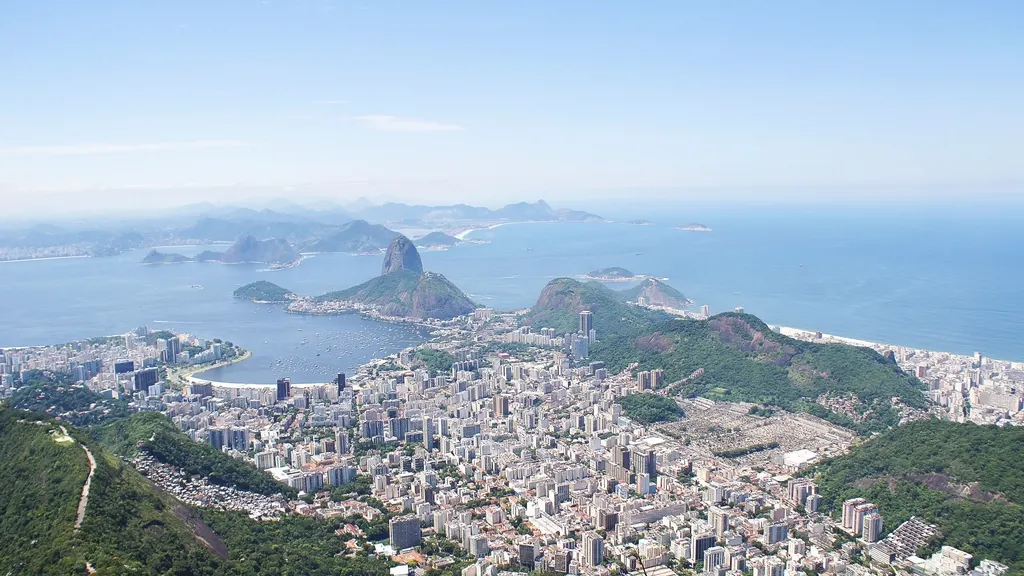
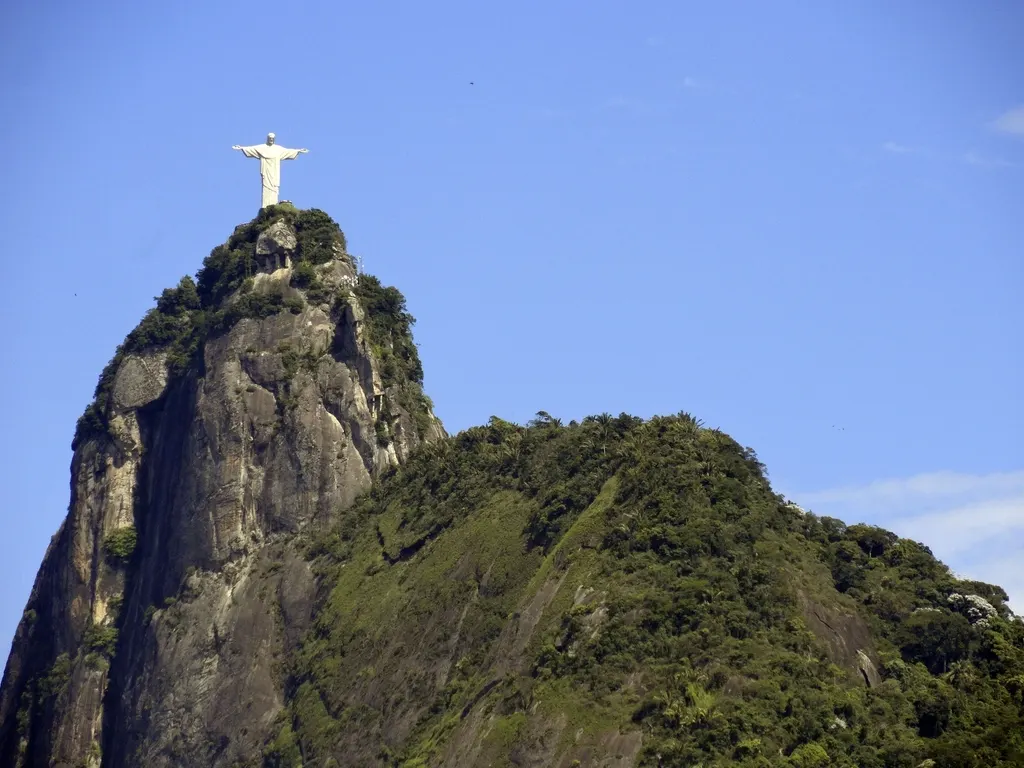
Christ the Redeemer, the colossal art deco statue completed in 1920, dominates the Corcovado mountain peak above the city. November is a suitable month to visit because the warmer temperatures and extended daylight make the outdoor ascent more comfortable than in the cooler, shorter days of mid-year. The statue offers sweeping views across Rio and Guanabara Bay, best appreciated in the morning before afternoon cloud cover builds.
Copacabana beach draws visitors year-round, but November warmth makes a beach visit more appealing than in cooler months. The famous promenade stretches for kilometres along the Atlantic coastline. The wide expanse of sand accommodates locals and tourists alike. An evening walk along the waterfront catches the cool breeze that follows a warm day and lets visitors see the neighbourhood at its most social.
The Museu Nacional, opened in 1818, is a national museum with collections spanning natural history, archaeology, and Brazilian ethnography. Its location inside the Quinta da Boa Vista park makes it a natural indoor anchor during a rainy afternoon. The Rio-Niterói Bridge, opened in 1974, connects Rio to the neighbouring city of Niterói across Guanabara Bay. The span is most interesting from a viewpoint, where its sweeping curve becomes visible against the water and mountains.

Planning your days
A balanced approach works best in November. Begin outdoors early, tackling major attractions like Cristo Redentor or a walk along Copacabana before the heat peaks and afternoon rain arrives. The long daylight hours give you flexibility to start soon after sunrise and still have plenty of time before dark. Save indoor sites like the Museu Nacional for the afternoon, whether to escape a sudden downpour or simply to cool down.
Evenings are warm and social. The extended twilight means you can comfortably linger at outdoor restaurants or walk the beach promenade into the evening. Carry a light rain layer in a day bag even on clear mornings. Afternoon storms tend to be brief but intense, so having a plan for indoor cover matters more than rearranging your whole schedule around weather forecasts.
Practical notes
The local currency is the Brazilian real. Credit cards are accepted at most hotels, restaurants, and larger shops, but carrying some cash proves useful for smaller vendors, bus fares, and tips. The official language is Portuguese. Learning a handful of common phrases helps in everyday interactions. November temperatures of 21°C to 26°C call for light, breathable clothing. A light rain jacket or collapsible umbrella is essential. Sun protection and mosquito repellent round out the basics for a November visit.
What to pack
- Light layers that breathe well in 26°C heat and dry quickly after rain
- A compact rain jacket or umbrella for afternoon downpours
- Comfortable walking shoes for outdoor sightseeing
- Sun protection including sunscreen and a hat for midday UV
- Mosquito repellent for evenings near green spaces or water
Questions
Is November a rainy month in Rio de Janeiro?
Rainfall increases in November, averaging around 220mm. Showers usually arrive in the afternoon or evening and are brief but heavy. Carry rain gear and plan indoor activities as backup.
What public holidays affect visitors in November?
Three holidays fall in November 2026: All Souls' Day (Nov 2), Republic Proclamation Day (Nov 15), and Black Awareness Day (Nov 20). Government offices and some businesses close on these dates.
Do I need special clothing for Rio in November?
Light, loose clothing handles the 21°C to 26°C temperatures well. Add a rain layer for afternoon storms and wear sunscreen during morning outings when the sun is strong.