Rome in November
7 October 2026, 4 min read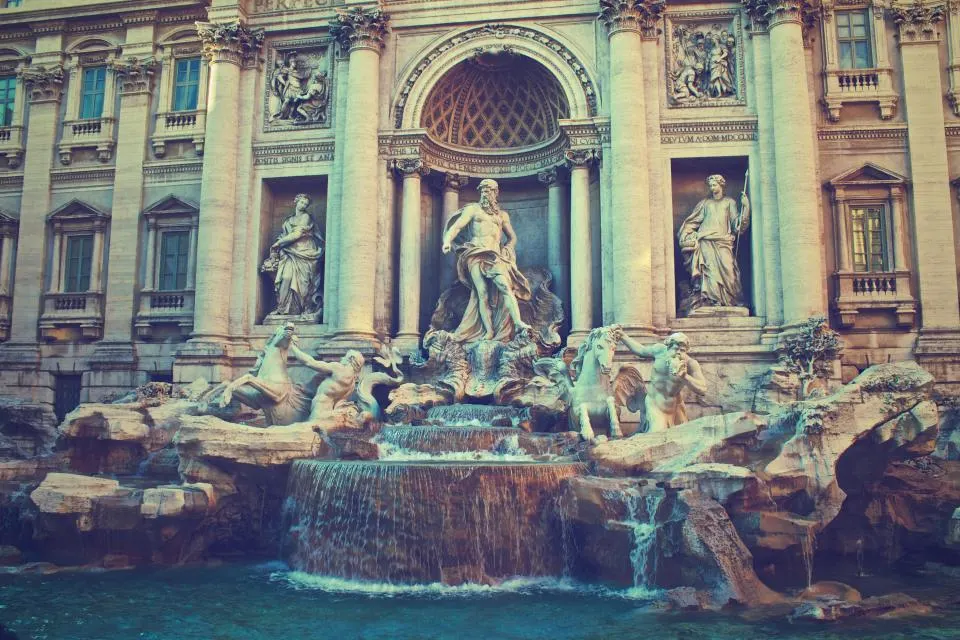
November is a pleasant time to visit Rome. The month works well for travelers who prefer moderate temperatures and are comfortable planning around shorter days and occasional rain.
What the Weather Is Really Like
November in Rome marks a clear shift from the summer heat. The average high is 16 degrees Celsius (61 degrees Fahrenheit) and the average low is 8 degrees Celsius (46 degrees Fahrenheit). This is notably cooler than July and August, which both average 32 degrees Celsius (90 degrees Fahrenheit), and it is also warmer than January, the coldest month at 11 degrees Celsius (52 degrees Fahrenheit). The weather sits in a comfortable middle ground that makes walking through the city pleasant for most of the day.
Rainfall picks up significantly in November, with about 114 millimeters expected over the month. Humidity reaches around 80 percent, which can make the air feel damp even when it is not actively raining. Daylight shrinks to approximately 9.6 hours per day, so sunrise comes later and sunset arrives earlier than in the peak travel months. Visitors should plan their days accordingly and be prepared for grey skies mixed with sunny spells.
What the Month Feels Like in the City
The reduced daylight and cooler air change the rhythm of the city. Mornings start slowly and evenings arrive earlier, which suits visitors who want to ease into their days with a late breakfast before heading out. The 9.6 hours of usable daylight means most sightseeing happens comfortably between mid-morning and late afternoon, with time left in the evening for dinner at a relaxed pace.
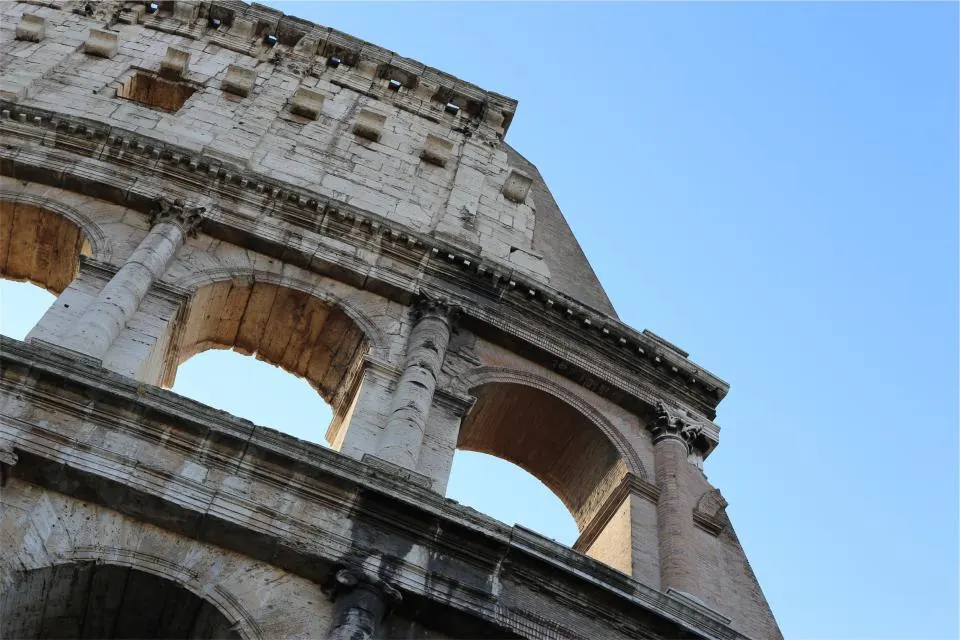
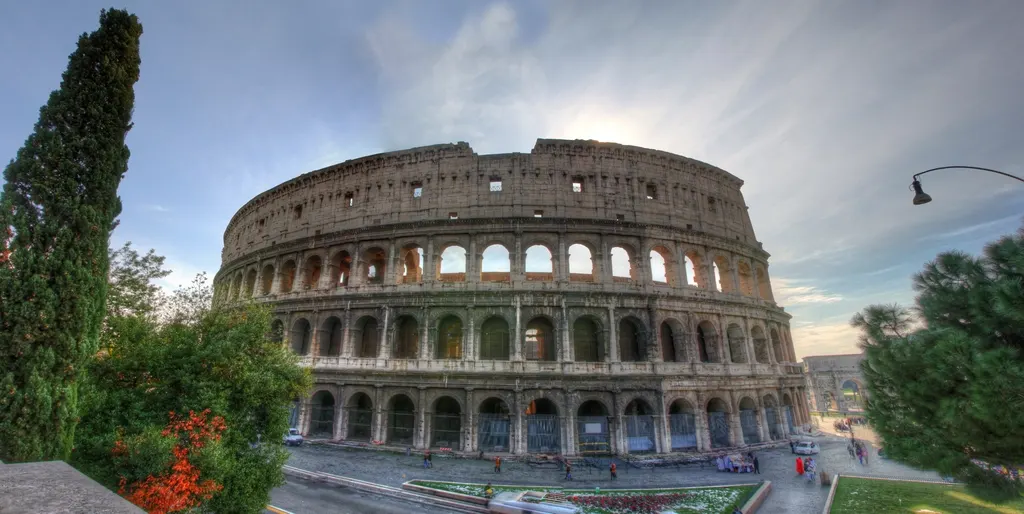
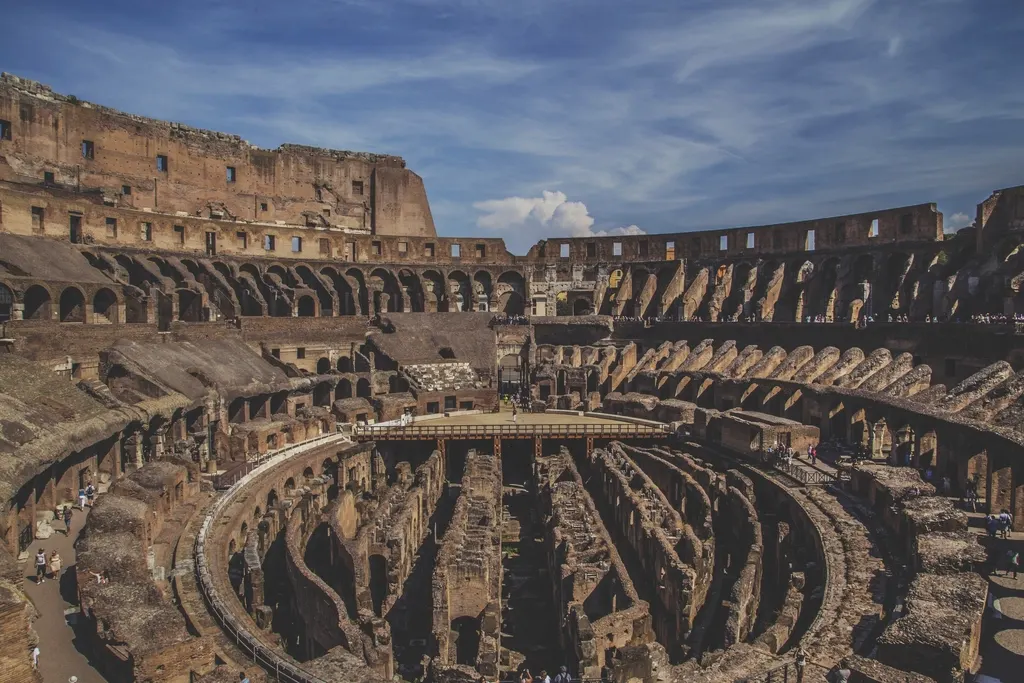
Crowds thin considerably compared to the peak summer months. Major attractions like the Vatican and the Colosseum area see fewer visitors, which means shorter waits and more space to take in the surroundings. November 1st is All Saints Day, a public holiday in Italy. Some shops, restaurants, and smaller attractions may close for the day. Visitors should check individual opening hours in advance and plan to visit major museums and churches on the surrounding days instead.
What to See
The Pantheon, built in 128, is well suited to a November visit. The massive dome and oculus bring a particular quality to the interior on overcast days, when the changing light through the opening shifts across the stone walls. The building is free to enter and often less crowded in the cooler months, allowing for a more contemplative visit than during peak season.
The Sistine Chapel, built in 1473, is worth visiting in November because the reduced crowds make it easier to spend time with the ceiling. Warm clothing is advisable inside, as the museums maintain controlled temperatures regardless of the season outside. Pairing a morning visit here with the Vatican Museums, opened in 1506, allows for a full art-focused outing that balances the shorter days and potential rain.
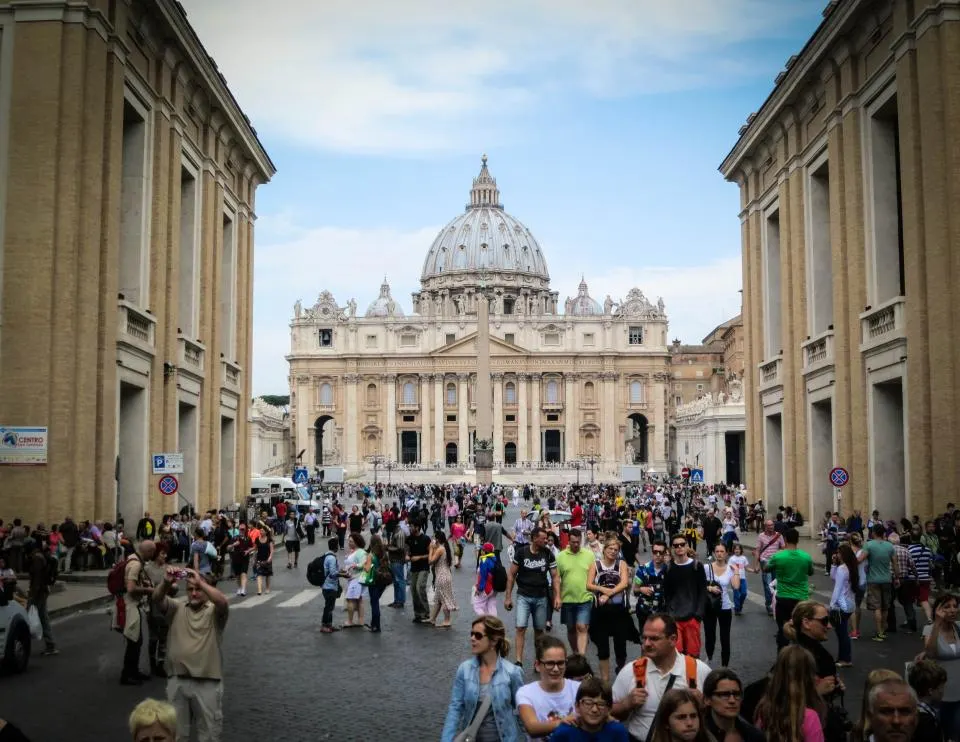
St. Peter's Basilica, built in 1506, and Saint Peter's Square offer a different experience in November. The cooler air makes walking through the square more comfortable than in the heat of summer, and the basilica itself provides a warm refuge when needed. The surrounding streets and cafes offer places to warm up between visits.
The Trevi Fountain, built in 1732, draws fewer visitors in November, which makes it easier to appreciate the fountain itself without navigating large crowds. Early mornings or late afternoons tend to be quieter. The Appian Way is another outdoor site that works well in November. The cooler temperatures make walking along the ancient road more agreeable than in the height of summer.
How to Plan the Days
A measured pace works best in November. With daylight limited to under ten hours and rain a realistic possibility, it makes sense to plan no more than two or three major sites per day. This leaves room to duck indoors when the weather turns and to enjoy meals at a relaxed pace without feeling rushed.
Mornings are useful for visiting major museums and indoor attractions, particularly the Vatican Museums and the Sistine Chapel. These venues can be draining if visited later in the day when energy flags. Afternoons work well for outdoor sites like the Roman Forum or the Appian Way, especially on days when the sun breaks through. Evenings are best kept flexible. Indoor dining, a visit to a church still open after hours, or a slow walk through a quieter neighborhood all fit naturally into the shorter nights.
Practical Notes
Italy uses the euro as its currency. Cash is widely accepted, though credit and debit cards work at most hotels, restaurants, and larger shops. It is useful to carry some cash for smaller establishments, markets, and tips. The official language is Italian, and while English is common in tourist areas, learning a few basic phrases in Italian is appreciated and helpful in more local settings.
For November temperatures ranging from 8 to 16 degrees Celsius (46 to 61 degrees Fahrenheit), layers are the most practical approach. A light jacket or coat, a scarf, and comfortable walking shoes are essential. A waterproof layer or umbrella is advisable given the rainfall expected. Indoor venues, particularly churches and museums, can feel cool, so having an extra layer available is useful.
What to pack
- A light jacket or coat for daytime temperatures between 8 and 16 degrees Celsius
- A waterproof layer or compact umbrella for the 114 millimeters of expected rainfall
- Comfortable walking shoes suitable for cobblestones and uneven surfaces
- A scarf and an extra layer for cooler evenings and indoor spaces
- An adapter for European electrical outlets if needed
Questions
Is November a good time to visit Rome?
November is a good time to visit. Temperatures are comfortable, crowds are thinner than in summer, and major attractions are easier to access. Rain and shorter days require some planning.
What should I pack for Rome in November?
Pack layers including a jacket, scarf, and waterproof outerwear. Comfortable walking shoes are essential. Temperatures range from 8 to 16 degrees Celsius so dressing in layers handles the variation throughout the day.
Are attractions open on All Saints Day in November?
All Saints Day on November 1st is a public holiday in Italy. Some smaller shops and attractions may close for the day. Major museums and churches generally remain open, but checking individual hours in advance is advisable.