Seoul in November
16 October 2026, 4 min read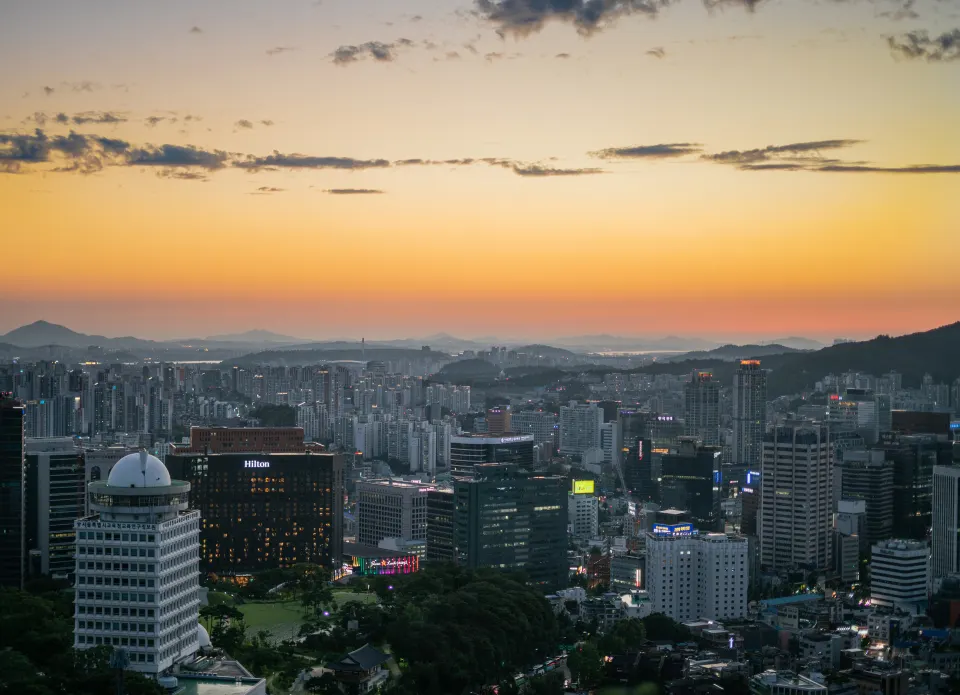
November offers comfortable temperatures and thinner crowds in Seoul, making it suitable for culture seekers and those who prefer relaxed sightseeing. The month works well for visitors who enjoy crisp autumn weather mixed with indoor cultural attractions.
Weather in November
November in Seoul marks a clear shift toward winter. Daytime temperatures settle around 11°C (52°F), while nights and early mornings dip to 3°C (37°F). This cool weather requires warm layers, especially when the sun sets and temperatures fall quickly. Rainfall amounts to approximately 47mm across the month, arriving in occasional light showers rather than sustained wet periods. Humidity sits at 75 percent, creating crisp but comfortable air that makes extended outdoor time pleasant when dressed appropriately.
The contrast with Seoul's warmest months stands out clearly. August brings the year's peak heat at 28°C (82°F), noticeably warmer than November afternoons. The preceding month of October still offers milder 18°C (64°F) days, making November noticeably cooler. By contrast, January reaches only 0°C (32°F) at its high, showing that November sits between autumn mildness and true winter cold. Visitors arriving from warmer climates should prepare for a significant temperature drop compared to late summer or early autumn travel.
Daylight measures just under 10 hours, meaning the sun sets in the early evening. Shorter days reshape daily planning, with mornings offering the best window for outdoor sightseeing. The combination of cool temperatures, reduced daylight, and occasional rain calls for layered clothing and flexible itineraries that balance indoor and outdoor activities.
The Feel of the City
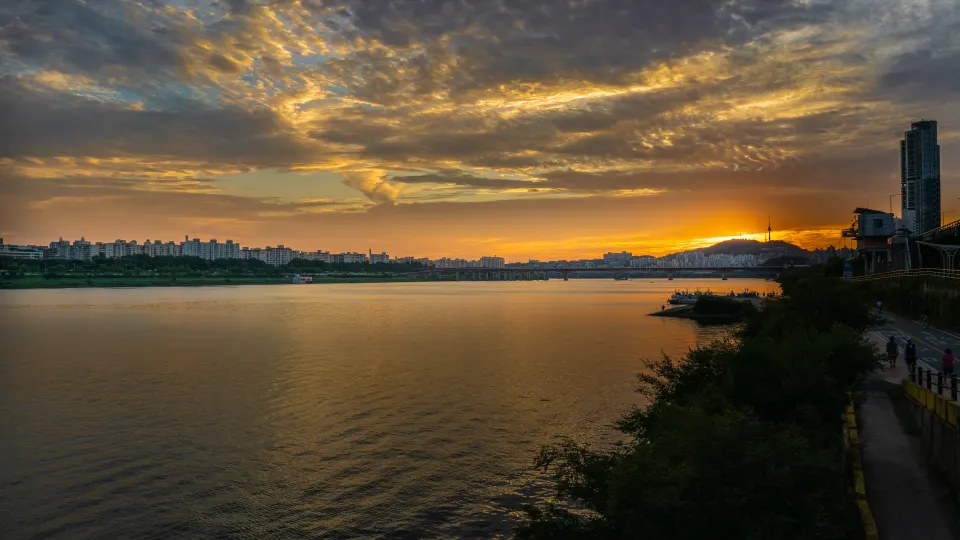
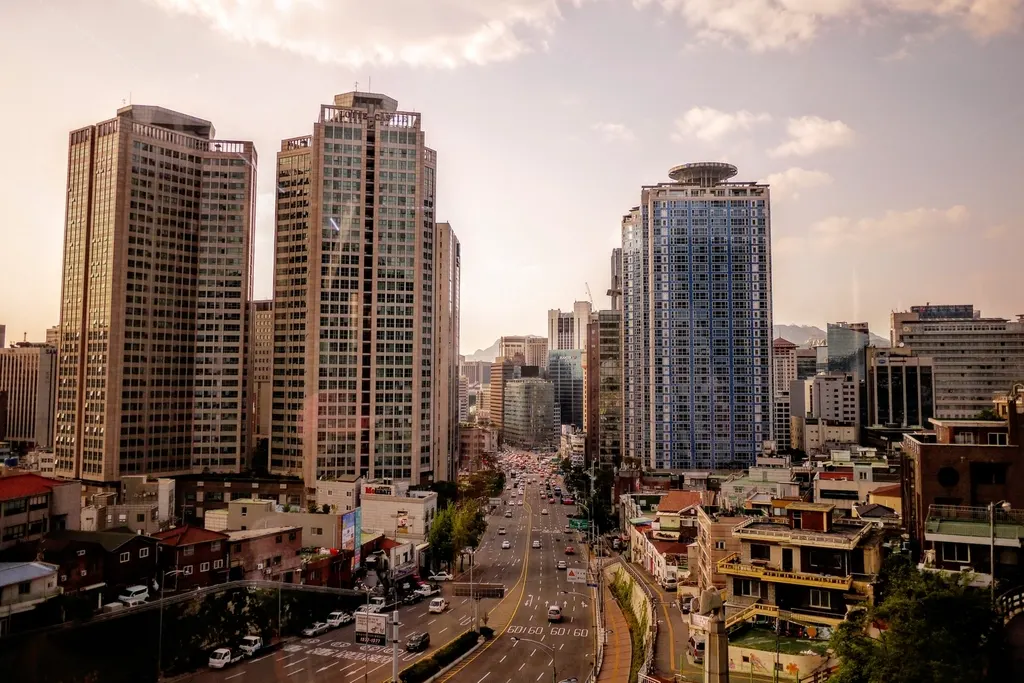
November carries a distinctive autumn atmosphere across Seoul. Parks and tree-lined streets display fall foliage in shades of orange, red, and gold. Cool air keeps散步 comfortable, and the city moves at a more relaxed pace than during peak travel seasons. Cafes and restaurants fill with people enjoying seasonal drinks and warm dishes, creating a cozy urban atmosphere.
The reduced daylight shapes how the city functions. Morning hours become prime time for outdoor activities, with popular sites less crowded before midday. Afternoons arrive more quickly, and early darkness prompts a shift toward indoor dining and evening entertainment. The rhythm differs noticeably from longer summer days when sightseeing extends well into the evening.
No public holidays fall within November according to available records. This absence of closures means tourist sites, restaurants, and shops maintain standard schedules throughout the month. Visitors benefit from predictable operating hours and fewer disruptions to planned activities. Crowds remain manageable at major attractions compared to spring and autumn peak periods.
What to See and Do
Indoor cultural venues suit November's variable weather. Museums and galleries offer climate-controlled comfort while providing depth on Korean history, art, and contemporary life. The dry indoor air feels welcoming after a morning walk in crisp temperatures. Major museums maintain extended hours, allowing flexible scheduling around outdoor activities. Exhibits range from ancient artifacts to modern art, suiting varied interests.
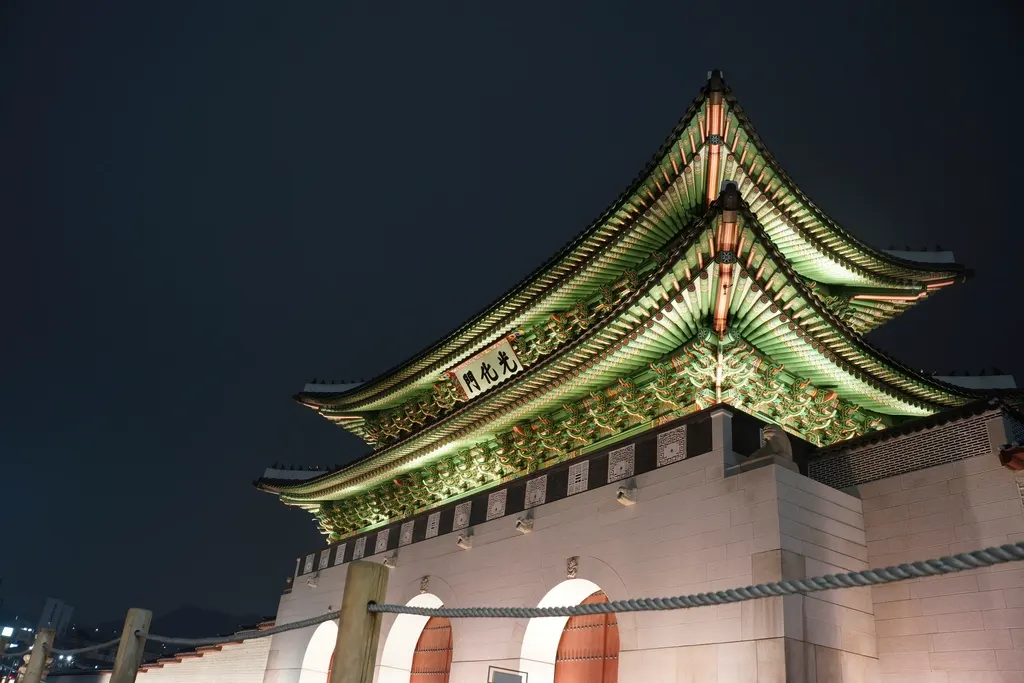
Historic districts and palace grounds reward visitors on clear days. Traditional architecture stands out against autumn skies, and the cool air makes walking between sites pleasant rather than exhausting. Palace courtyards offer space to appreciate Joseon-era design without summer crowds. Morning visits catch the best light and allow time indoors before afternoon temperatures peak or rain arrives. The historic Bukchon Hanok Village and Changdeokgung Palace Complex provide accessible examples of traditional Korean architecture.
Traditional markets and shopping areas combine shelter with authentic experiences. Namdaemun and Dongdaemun markets operate year-round, offering everything from street food to textiles. Indoor shopping centers provide climate-controlled retail therapy for rainy afternoons. These spaces also serve as natural gathering points when weather shifts unexpectedly.
Parks and green spaces showcase November's autumn colors. Clear days draw both locals and visitors to enjoy seasonal displays in spots like Cheonggyecheon Stream, Yeouido, and Namsan Park. Morning visits work best for photography, capturing crisp air and colorful foliage in good light. The cooler temperatures make extended time outdoors comfortable for those who plan appropriately.
Planning Your Days
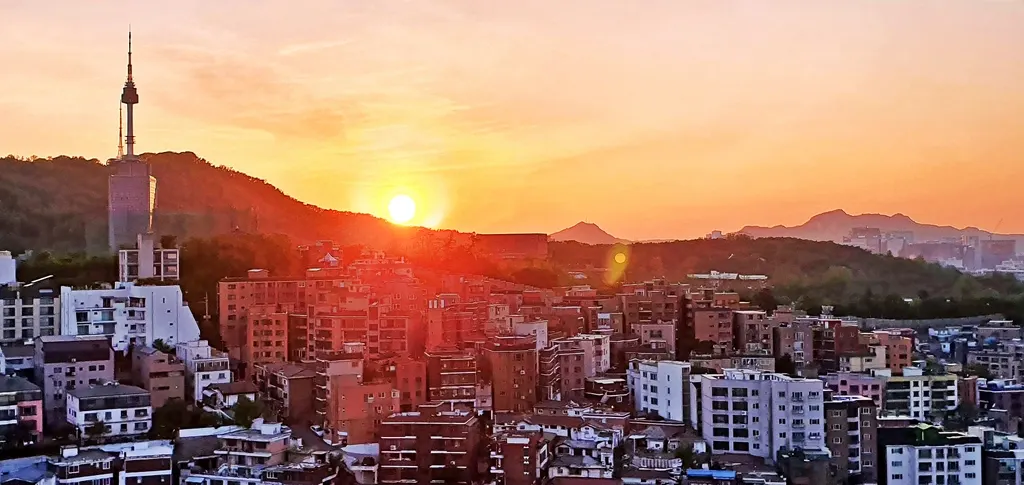
Structure mornings for outdoor sightseeing to maximize available daylight. Head out early to visit parks, historic sites, and street-level attractions before afternoon shifts. Plan routes that connect outdoor locations, allowing flexibility to move indoors when weather changes or fatigue sets in. Morning light offers better conditions for photography at outdoor sites.
Afternoons suit indoor activities and rainy weather alternatives. Museums, galleries, and shopping centers provide engaging options when conditions require shelter. Traditional markets offer covered walkways and food vendors for casual browsing. Schedule at least one major indoor site for each day to balance outdoor time.
Evenings demand warm layers as temperatures drop after sunset. Indoor dining and cultural performances work well regardless of weather. Layered clothing handles the temperature swings throughout the day, from cold mornings through milder afternoons back to chilly evenings. A warm coat and scarf serve well from morning through evening.
Practical Information
The local currency is the won. Major credit cards work at most hotels, restaurants, and larger shops. Traditional markets and smaller establishments may require cash, so carrying some won proves useful. Currency exchange services appear throughout tourist areas and at airports.
Korean serves as the primary language. Major tourist sites and hotels often have English signage and staff. Translation applications on smartphones help with menus, directions, and conversations in areas where English remains limited. Basic Korean phrases enhance interactions in everyday settings.
Clothing should accommodate temperatures from 3°C to 11°C throughout the day. A warm coat forms the foundation, with layered sweaters and long sleeves underneath. Waterproof outer layers and an umbrella address November rainfall. Comfortable walking shoes handle cool weather sightseeing. Gloves and a hat become valuable for early mornings and evenings when temperatures approach freezing.
What to pack
- Warm coat for cold mornings and evenings around 3°C
- Layered clothing including sweaters for 11°C afternoons
- Waterproof jacket or compact umbrella for rain
- Comfortable walking shoes for cool weather exploration
- Scarf and gloves for temperature drops after dark
Questions
Is November a good time to visit Seoul?
Yes. November offers comfortable cool temperatures, autumn scenery, and manageable crowds for sightseeing. The weather suits both outdoor exploration and indoor cultural activities.
What should I pack for Seoul in November?
Pack a warm coat, layered clothing, waterproof layers, comfortable walking shoes, and accessories like scarves and gloves. Morning and evening temperatures near 3°C require extra warmth.
How much daylight does November offer in Seoul?
Approximately 9.9 hours of daylight. Days continue shortening through the month, with sunset arriving in early evening by late November.