Sikkim Travel Guide: Budgeting, Climate, Transportation, and Key Itinerary Recommendations
18 May 2026, 6 min read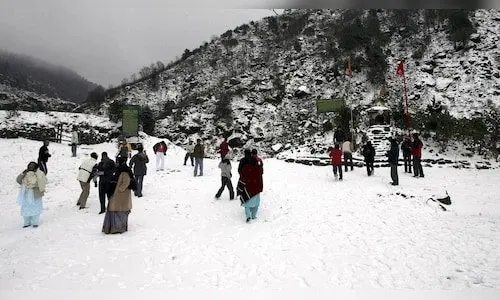
Just as I was savoring the incredibly flavorful, simple yet remarkable dal, I spotted some unassuming fried karela (bitter gourd) pieces peeking from the edge of my plate.
My feelings for karela have always been one of disdain; every previous attempt at tasting it left me with a sense of chewing on uncooked nails. The four pieces of karela chips trying to escape the plate were, in fact, a surprisingly tasty trap.
With a sense of forgotten contempt, I picked up a piece, ready to crush it. But after just one bite, I found myself questioning whether I should reevaluate the animosity I had for something I ought to appreciate.
This is merely one of the many surprises that Sikkim, a state free from income tax, holds for travelers like me.
The allure of summer snow
Experiencing snow during peak summer must be a unique privilege; equally impressive is the refreshing cold air that brushes against your nostrils, particularly on days when people back in Mumbai are struggling to breathe as the weather hits 38 degrees Celsius.
Some journeys linger in your memory because of their beauty, while others leave a lasting impression through nature’s sheer power. Sikkim embodies both experiences. Along with the memories, I returned with an enhanced respect for the unpredictability of Himalayan travel.
Here are some tips that might help if you’re planning a trip to Sikkim.
Expect higher costs compared to other destinations
Traveling in Sikkim can be more expensive than many first-time visitors anticipate. For example, a cab ride from Bagdogra (the nearest airport) to Gangtok, then on to Lachung in North Sikkim and back, along with the return trip to the airport, could cost you around ₹45,000 during the peak tourist season.
The reasons behind these costs become clear once you arrive. Distances are significant, roads can be challenging, and specialized local vehicles and permits are often required for many routes. Even short trips can take hours due to mountain conditions.
Cabbies charge extra, often up to ₹4,000, for a trip to Zero Point, which sits at an elevation of over 15,300 feet above sea level, from Lachung.
The scenery at Zero Point is stark and raw. The cold is biting, the air is thinner, and a hot cup of instant noodles has never tasted so good. However, the experience is accompanied by the fact that transportation costs become one of your most significant expenses.
You can alleviate some of these expenses by choosing relatively affordable accommodations. Although hotel owners may claim no rooms are available, there are plenty of options (even during peak season) in the ₹2,000-₹4,000 range that can help ease your cab expenses. Some of these rooms can comfortably host up to four people.
To minimize costs, consider traveling in a group and sharing vehicle expenses; after all, joy multiplies when shared, much like a bonfire.
Time is a crucial expense
Like many travelers heading to North Sikkim, I had plans to visit Gurudongmar Lake. Unfortunately, recent road damages had closed access to the lake.
If the route to Gurudongmar reopens, I suggest not hurrying your itinerary. Many packaged tours condense North Sikkim into two or three exhausting days. While this might look feasible on paper, in reality, it can be hectic.
To comfortably explore both Zero Point and Gurudongmar without complicating your trip, allocate at least four days solely for North Sikkim. The distances may be deceptive, the terrain challenging, and weather delays frequent.
As you plan, bear in mind that the journey you envision may differ from what you experience.
When a map indicates something is a four-hour drive, it’s wise to consider it a six- or seven-hour journey. Landslides, road collapses, weather interruptions, and permit issues aren’t exceptions—they are an integral part of the adventure.
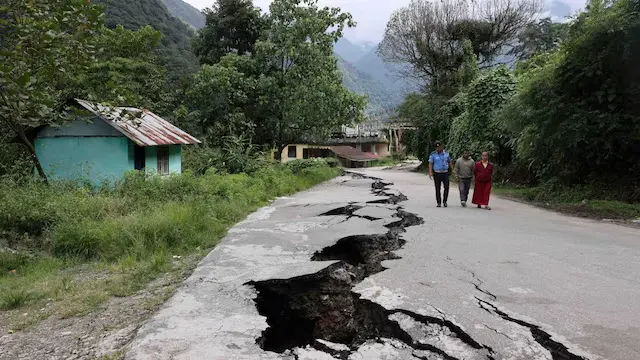
FILE PHOTO | People walk along a road with cracks caused by flash floods in Naga-Namgor village, Sikkim, India, October 10, 2023. (Reuters)
Visit North Sikkim before heading to Gangtok
After navigating the rugged terrain and remote vistas of North Sikkim, Gangtok feels surprisingly organized and less exhausting. It offers a chance to recuperate, making your visit to Nathu La feel more relaxed.
One of the first things you’ll notice is the city’s cleanliness. Public areas are well-kept, traffic is relatively orderly, and there’s an evident sense of civic pride that many tourist towns often lack.

FILE PHOTO | Inaugurated in Sep 2025, the Orchidarium in Gangtok is a must-visit for flora enthusiasts. The dedicated museum for orchids (the world’s largest family of flowering plants with over 28,000 species) is open from 11 am to 6 pm every day.
If you light a cigarette in a public area, you’ll quickly notice others’ alarm for your well-being. “Hide in a corner; the police will catch you,” is advice several people gave me. This stricter enforcement reminded me of my experience in parts of Kerala.
Try to set off as early in the day as possible, since Nathu La attracts many tourists. Even with wider roads, you may encounter traffic congestion starting a few kilometers before reaching your destination.
Leaving your hotel around 7 am should get you back to Gangtok by noon, allowing for a quick stop at the Baba Harbhajan Singh shrine and Tsongmo lake.
If you’re in search of solitude, avoid Nathu La. The site functions as a blend of scenic beauty, historical and geopolitical importance, and a theme park atmosphere.
Make sure not to bring disposable plastic bottles, as they will be confiscated.
The military presence, which is noticeable throughout Sikkim, becomes especially palpable at Nathu La, where you’re in close proximity to the India-China border.
A place that often deserves more recognition is the Namgyal Institute of Tibetology.
This museum provides a captivating glimpse into Tibetan Buddhist history, philosophy, iconography, and the various schools and factions within the tradition.
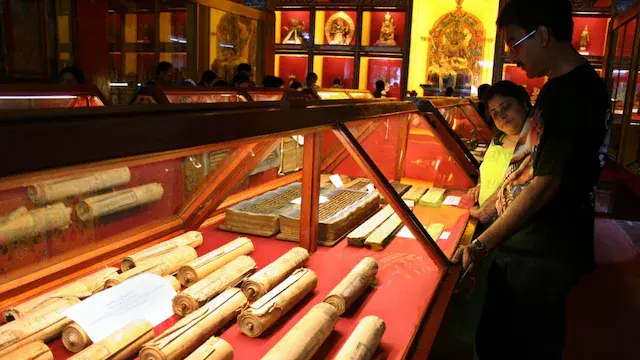
FILE PHOTO | Tourists look at a collection of scriptures at an institute of Tibetlogy in Gangtok, capital of India’s northeastern state of Sikkim May 29, 2006. (Reuters)
The museum also subtly reveals the political and cultural dynamics that have influenced the Himalayan region over centuries. A visit to this institute provides context to the monasteries, prayer flags, rituals, and symbols you’ll encounter across Sikkim.
Allow time to appreciate the mountains
If possible, dedicate at least two weeks for a trip to Sikkim. Covering the state’s vastness in one week is nearly impossible and can leave you physically drained.
If you use Gangtok as your base, you’ll need ample time to explore areas like Pelling and Namchi in the west, just as you would for the north. I opted to save West Sikkim for a future journey.
Also Read: MakeMyTrip upgrades AI chatbot Myra with end-to-end booking features
Fatigue from high altitudes and lengthy drives can accumulate quickly. Attempting to “optimize” a Himalayan itinerary too aggressively often leads to disappointment. So, take your time. Be prepared to remove a few items from your agenda and truly immerse yourself in your surroundings.
Most importantly, ensure you have at least one buffer day before your flight home. Cancellations and delays at Bagdogra Airport are common, and that extra day can significantly reduce stress.
Sikkim isn’t a destination you can conquer with a locked-in itinerary. It requires patience, flexibility, and respect for its landscape. An open mind can yield unexpectedly delightful karelas.
Also Read: Abu Dhabi picks Yas Island for first Sphere venue outside US: Check full details