Singapore in November
7 October 2026, 5 min read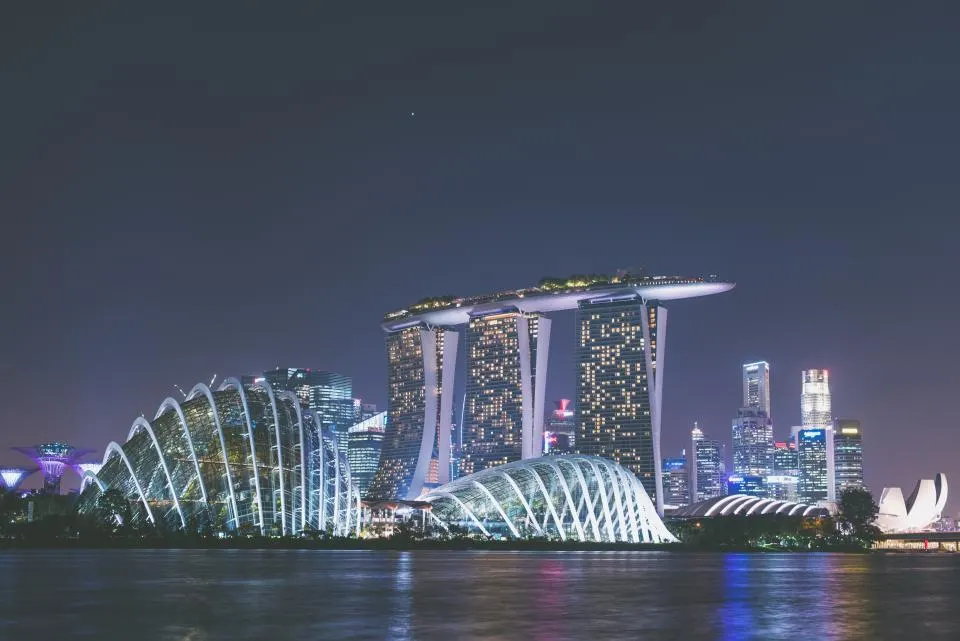
November is a solid choice for travellers who can handle tropical downpours and want to experience Singapore without peak-season crowds. It suits first-time visitors and repeat travellers alike, particularly those with flexible itineraries who can shift plans around the weather.
What the Weather Is Really Like
November sits squarely in Singapore's warm season, with daytime highs of 29 degrees Celsius and lows that rarely drop below 25 degrees Celsius. That translates to roughly 84 Fahrenheit during the day and 77 Fahrenheit at night, the kind of warmth that calls for light layers and constant hydration. The month matches October and December for average highs, sitting one degree below the annual peak of 30 degrees Celsius that marks March through May.
Rain is a defining feature. November brings 283 millimetres of precipitation, a substantial monthly total that arrives as frequent afternoon and evening showers. Humidity holds at 85 percent, which makes the air feel thick and heavier than the numbers suggest. Daylight stretches to 11.9 hours, giving a reasonable window from early morning to mid-afternoon before the rain typically arrives. The combination of heat, moisture, and rain means that outdoor plans should be treated as flexible rather than fixed.
For context, January and December are slightly cooler at 28 degrees Celsius, making them marginally more comfortable for sustained outdoor activity. November trends toward the wetter end of the spectrum. Travellers should not expect relief from heat in the way they might from a northern autumn.
What the Month Feels Like in the City
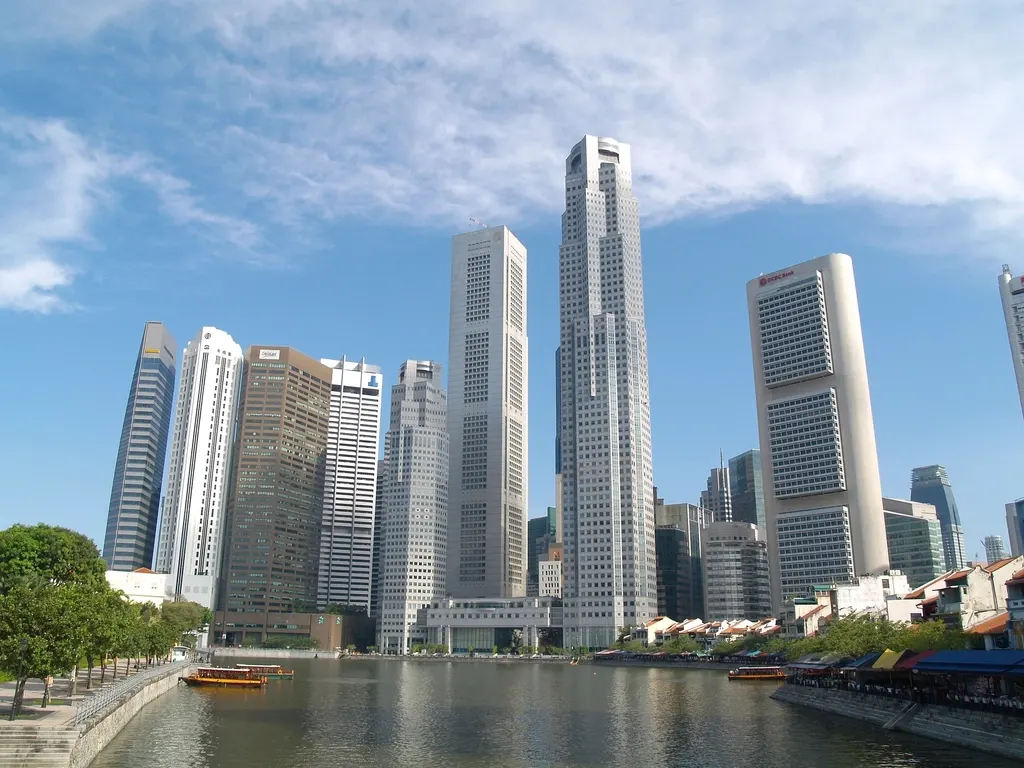
Singapore operates as a modern city-state with a population of nearly 5.9 million people, and November carries the energy of a city that never fully slows down. The 11.9 hours of daylight mean mornings start bright and usable, with the best outdoor conditions typically found before noon. The afternoon rain tends to arrive mid-afternoon, sometimes as a sharp downpour that clears within an hour, sometimes as a steady drizzle that lingers. Evenings are warm and humid rather than cool.
Deepavali falls on November 9 in 2026, a major public holiday that celebrates the Festival of Lights. Some attractions and businesses may close or operate reduced hours around this date, particularly in areas with significant Hindu communities. For visitors, this means checking opening times in advance and understanding that certain districts will be busier with local celebrations. It is also a chance to witness Singapore's cultural depth beyond its shopping malls and skyline.
Crowds in November tend to be moderate. The rain discourages some travellers, and November sits outside the peak December holiday period. This can mean more availability at popular restaurants and attractions. The trade-off is that sudden weather changes can disrupt plans, requiring a mindset that treats indoor alternatives as equal priorities rather than backups.
What to See
Gardens by the Bay opened in 2012 and remains a distinctive urban park in Singapore. The Supertree Grove and climate-controlled domes offer shelter from rain while showcasing plant life from several continents. November suits this venue because the air-conditioned conservatories provide a break from the humidity, and the outdoor gardens are most striking in the hour before the nightly light show, when the rain has often passed and the sky takes on a dramatic quality.
The Singapore Botanic Gardens has been a central botanical institution since 1859. It remains free to enter except for the National Orchid Garden. The gardens are best visited in the morning when the weather is coolest and bird activity is high. November's rain keeps the grounds lush and green, though visitors should expect wet pathways and the occasional shower even under tree cover.
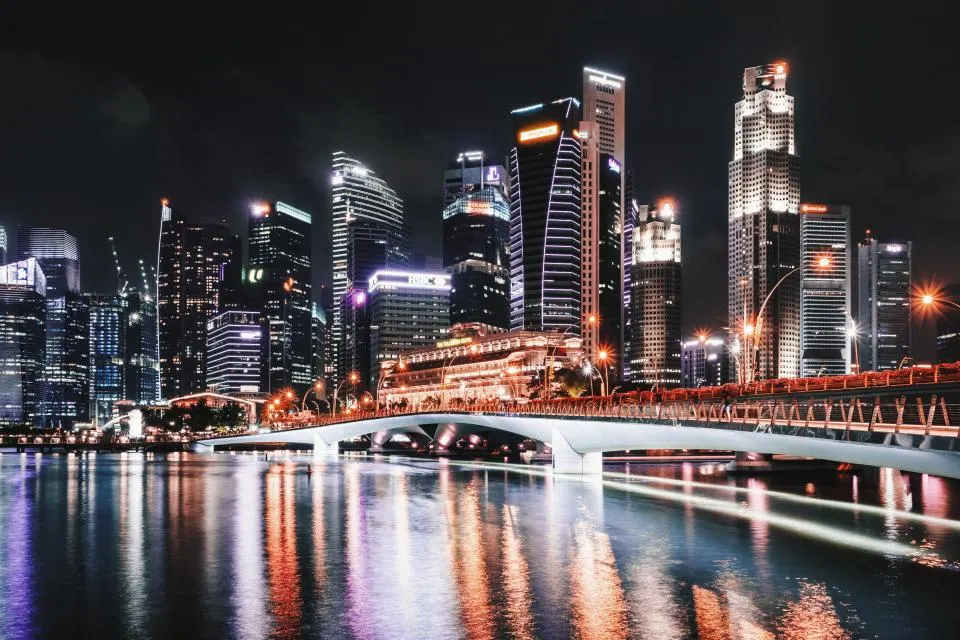
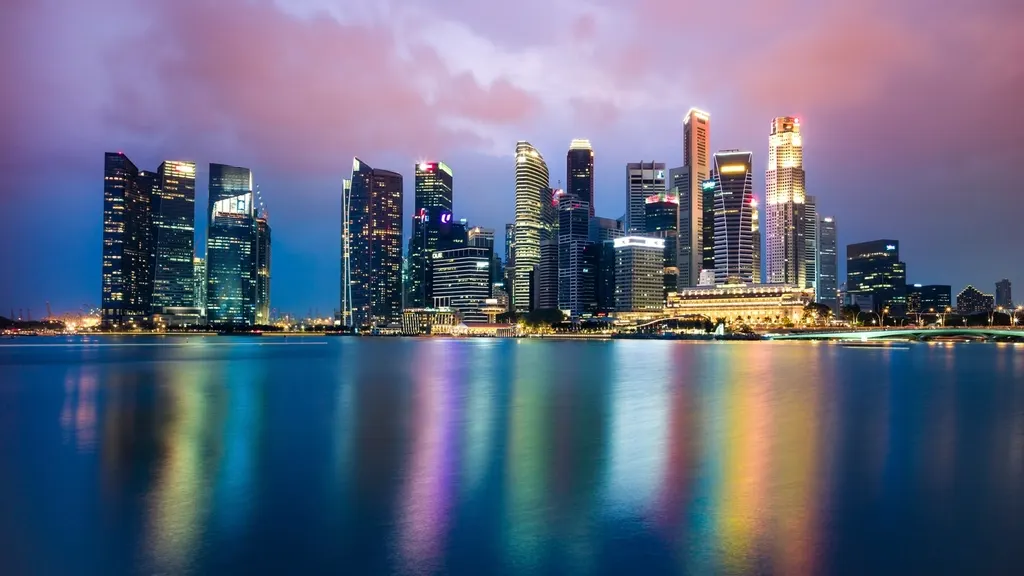
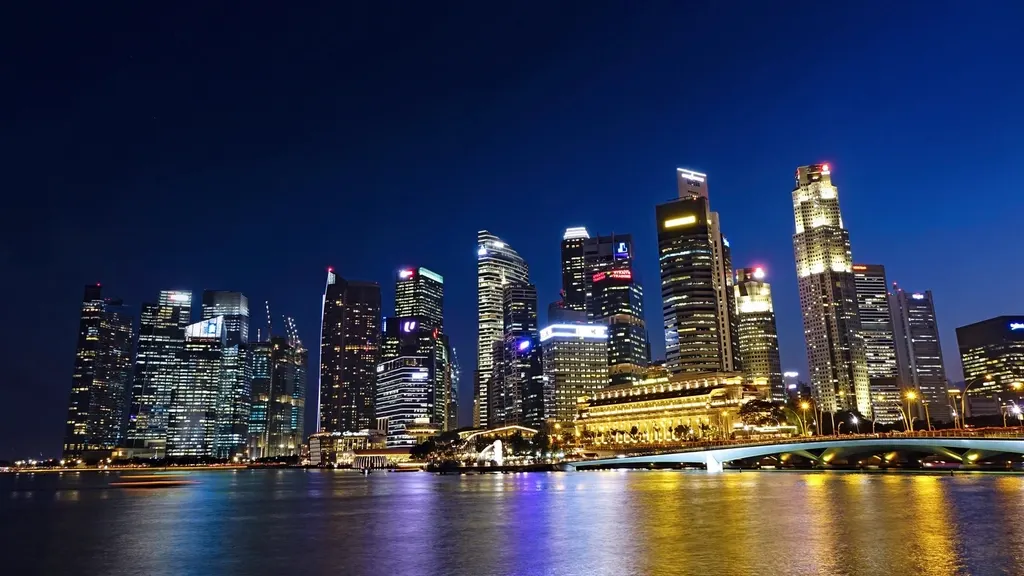
Marina Bay Sands anchors the Marina Bay skyline with its distinctive three-tower design and rooftop infinity pool. The complex includes a casino, shopping mall, museum, and a wide promenade that connects to other attractions. November evenings work well here because the rain often clears by nightfall, leaving the skyline illuminated and the waterfront walkways comfortable for a stroll. The shopping mall offers air-conditioned refuge during afternoon downpours.
The Singapore Flyer, opened in 2008, is a large Ferris wheel that offers panoramic views of the city, harbour, and surrounding islands. November mornings tend to be clearer than afternoons, with visibility often at its best before the haze and moisture build. Rain during a ride is uncommon but possible, and capsules are enclosed and climate-controlled. The Marina Bay Street Circuit, which hosts the Singapore Grand Prix, is worth knowing about for its proximity to Marina Bay, though it is primarily a motorsport venue rather than a general tourist attraction.
The Port of Singapore, a major maritime facility, is not typically a destination for casual sightseeing, but harbour tours depart from the Marina Bay area and offer a perspective on the scale of trade that underpins the city. November weather makes an open-deck boat tour less appealing in the afternoon, so morning departures are preferable.
How to Plan the Days
The rhythm of a November day in Singapore should follow the weather. Early morning is the most reliable window for outdoor sightseeing. Activities like visiting the Singapore Botanic Gardens, walking the Marina Bay waterfront, or riding the Singapore Flyer are best scheduled then. The midday hours are best spent indoors, whether in a museum, a shopping mall, a temple, or a quiet restaurant with good air conditioning.
Afternoon rain, which often arrives mid-afternoon, should be anticipated rather than treated as a disruption. Museums such as the ArtScience Museum at Marina Bay Sands or the National Gallery Singapore are well-suited to this window. A long lunch that stretches into the early afternoon, followed by time in a climate-controlled space, is a practical approach that keeps the day moving without fighting the weather.
Evenings recover quickly once the rain clears. The Gardens by the Bay light show, which runs twice nightly at the Supertree Grove, is most accessible after dark when the sky is dark. Street food at hawker centres is best experienced in the evening, when the heat has subsided enough to make queuing tolerable. Leave one evening open for a waterfront dinner at Marina Bay, where the skyline lighting and the Cooled Garden at Gardens by the Bay offer a visual reward for those who navigated the afternoon rain.
Practical Notes
Singapore uses the Singapore dollar as its currency. Credit and debit cards are widely accepted at hotels, restaurants, and larger shops, but smaller hawker stalls and market vendors typically prefer cash. ATMs are readily available throughout the city, and currency exchange services are found at Changi Airport and in most shopping districts.
English is the official language and the primary language of business, signage, and public transport. Mandarin, Malay, and Tamil are also widely spoken. Travellers with English skills will find Singapore straightforward to navigate, from ordering food to using the MRT train system, which is colour-coded and announced in four languages.
Dressing for November means lightweight, breathable clothing that dries quickly. Cotton and linen work well. A light rain jacket or a compact umbrella is essential. Footwear should have good grip for wet pavements and non-slip soles for the smooth floors found in malls and transit stations. Sunglasses, a wide-brimmed hat, and sunscreen are useful for mornings. The 25-degree Celsius lows at night mean that even after dark, short sleeves and light trousers are sufficient.
What to pack
- Quick-dry clothing that can handle afternoon rain and high humidity
- A compact umbrella and a light rain jacket that fits in a daypack
- Breathable walking shoes with good grip for wet surfaces
- A refillable water bottle, as dehydration is a risk in the heat and humidity
- A light layer for evenings, even though the temperature rarely drops below 25 degrees Celsius
Questions
Is November a good time to visit Singapore?
November is a reasonable time to visit if you plan for rain and heat. The city is less crowded than December, and attractions are easier to access, though afternoon showers are frequent and can disrupt outdoor plans.
What should I wear in Singapore in November?
Wear lightweight, breathable fabrics that dry quickly. Add a rain jacket or umbrella, non-slip shoes, and sunglasses for the mornings. Evenings stay warm at around 25 degrees Celsius.
Are attractions open during Deepavali in November?
Deepavali is a public holiday in Singapore. Some attractions and businesses may close or reduce hours, particularly near Little India. Check individual opening times before visiting.