The Japanese Bob Is the Coolest Way to Go Short
13 May 2026, 3 min read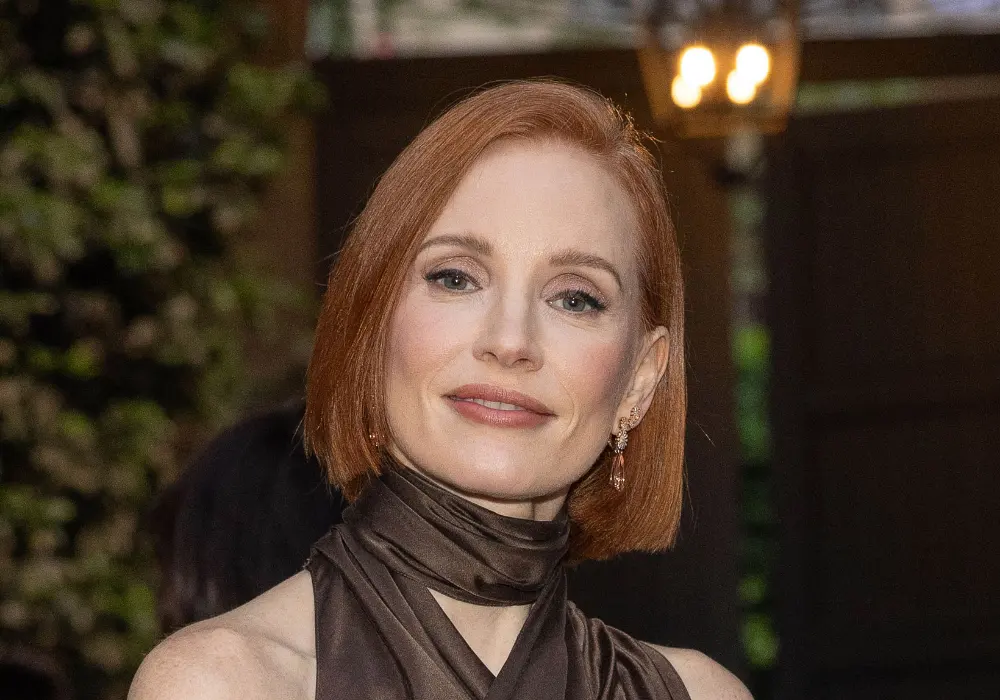
The bob isn’t going anywhere—it’s just continuing to evolve. We thought we had seen it all: Italian bobs, French bobs, lobs, blunt bobs, bixies—the list goes on. But there’s a new version gaining traction that’s worth paying attention to. Enter: the Japanese bob.
According to beauty and wellness booking site Fresha, searches for “Japanese bob” are continuing to climb. Data shows there have been 61,000 searches in the past month, up 128 percent year-over-year. Put simply, bobs are not slowing down; interest in the ever-popular cut is only accelerating as more people look to the Japanese bob for their next salon appointment. But what is the Japanese bob, and why is it so popular? Ahead, Danielle Louise, hairstylist at Fresha, explains everything you need to know.
What Is the Japanese Bob?
The Japanese bob is a minimalist, precise haircut defined by technical cutting and clean structure. Length-wise, it tends to fall between the jawline and the collarbone, just like many other bobs, but the difference is in the shaping. Rather than relying on obvious layers or big movement, it’s all about subtle structure, sharp lines and balance.
So, why is it called the Japanese bob? The name comes down to its sleek, intentional finish. Unlike softer Western-influenced cuts, such as Italian and French bobs, this style prioritizes symmetry and a cut that holds its shape with minimal styling. “This isn’t a cut that hides behind waves or volume,” says Louise. “Every section is deliberate, which is why it looks so polished.” In other words, it’s ideal for the chic minimalist.
Why Is the Japanese Bob Popular?
According to Louise, the growing interest reflects a larger shift in what clients are asking for: low-maintenance hair that still looks polished. Recently, there has been a bigger push toward refined, wearable, “you-but-better” beauty, whether in hair, makeup or aesthetics, and the Japanese bob fits right into that mindset.
“The Japanese bob has moved from trend to staple very quickly,” says Louise. “What we’re seeing now is continued demand because it delivers something clients are actively looking for: structure, precision and a finish that looks polished without needing constant styling.”
Another perk: the Japanese bob is extremely versatile and can be worn from day to night with little additional styling needed. It also photographs well, thanks to its sharp lines and structured shape. “Clients are moving away from overly styled looks and towards hair that holds its shape,” says Louise. “This cut gives that clean, controlled finish people want right now.”
Which Celebrities Wear Japanese Bobs?
Celebrity influence has also helped drive interest in the Japanese bob. While some red-carpet hairstyles can feel hard to translate to real life, this one is surprisingly wearable. One celebrity who has worn a similar sleek, structured bob is Jessica Chastain, whose polished cut has helped reinforce demand for the precise style.
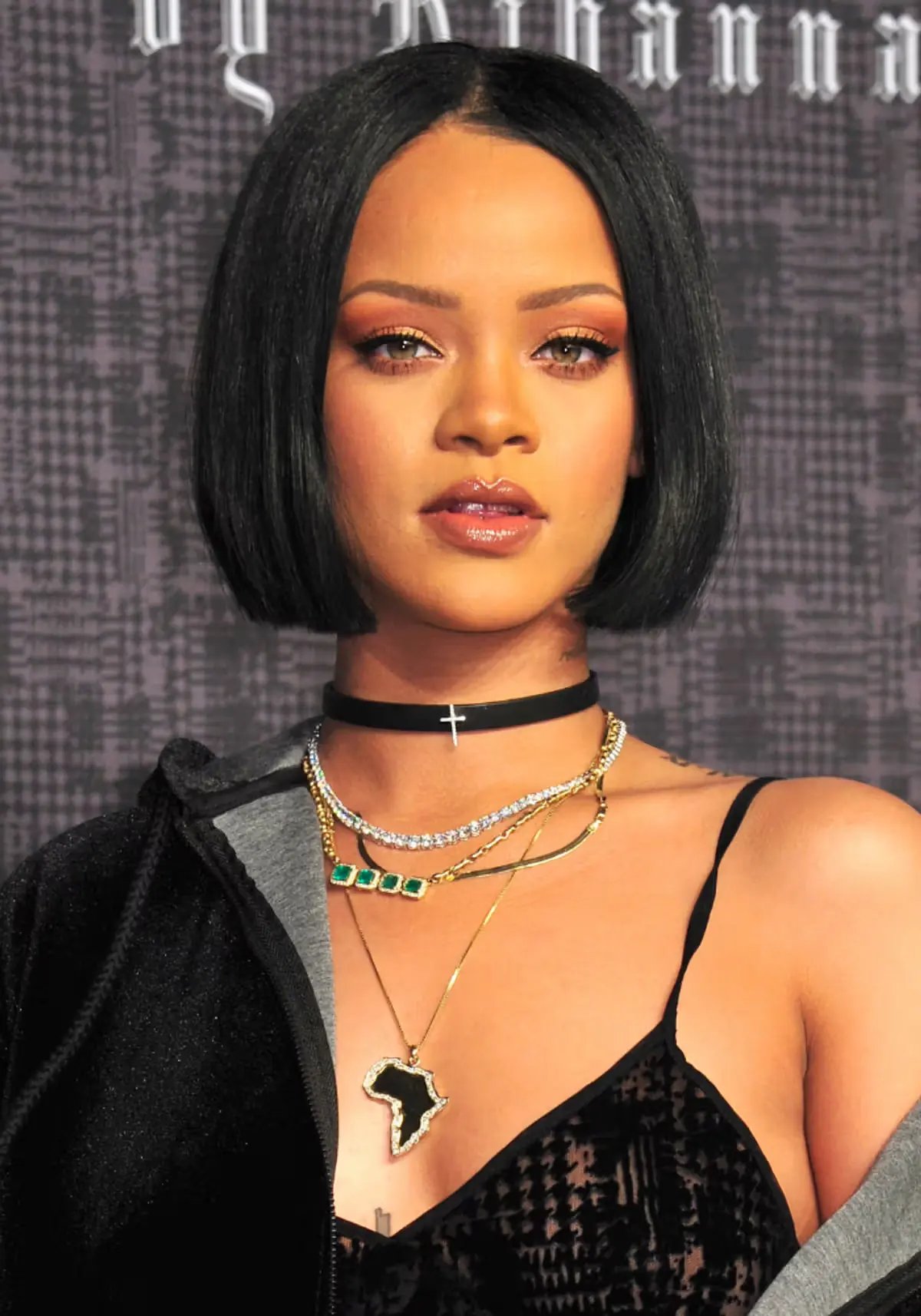
“When a style like this shows up consistently on someone like Jessica Chastain, it builds trust in the look,” says Louise. “It shows how timeless and wearable a sharp, well-executed bob can be.” Keira Knightley, Naomi Watts, Rihanna and Lucy Liu have also worn precise, sculpted bobs that align with the Japanese bob aesthetic.
Who Looks Best in a Japanese Bob?
Haircuts can look very different from person to person, depending on face shape, bone structure, hair texture and styling preferences. That’s why the Japanese bob is best approached as a customizable cut rather than a one-size-fits-all trend.
In general, Louise says it works particularly well on straight to slightly wavy hair and for those who prioritize shape over volume. And while the everyday styling can be low-maintenance, the upkeep is still important. As with any bob, you’ll need regular trims to keep the shape looking sharp. “This style needs regular trims every six to eight weeks,” Louise says. “Without maintenance, it loses the balance that makes it work.”