Tokyo in November
7 October 2026, 4 min read
November is a strong month to visit Tokyo. The temperatures are comfortable for walking, the autumn leaves are beginning to show, and visitor numbers tend to be lower than peak seasons. It suits travellers who prioritise space and atmosphere over warm weather, and those comfortable dressing in layers for daytime highs of 17°C and cool mornings around 9°C.
What the Weather Is Really Like
November in Tokyo sits comfortably between the summer heat and the winter chill. The average high reaches 17°C (63°F) and the low drops to 9°C (48°F). This makes daytime walking pleasant without the oppressive humidity of summer, though you will want a warmer layer after sunset. By comparison, August is the hottest month at 31°C, while January brings the coldest average at 9°C, so November falls roughly in the middle of the annual temperature range.
Rainfall measures around 120mm for the month, and humidity sits at 80%. You should expect some rainy periods and plan accordingly. The daylight hours shrink to about 10.1 hours per day by mid-month, which is a noticeable change from the long summer days. This means you will have fewer daylight hours for outdoor sightseeing, so planning your days around available light becomes important.
What the Month Feels Like in the City
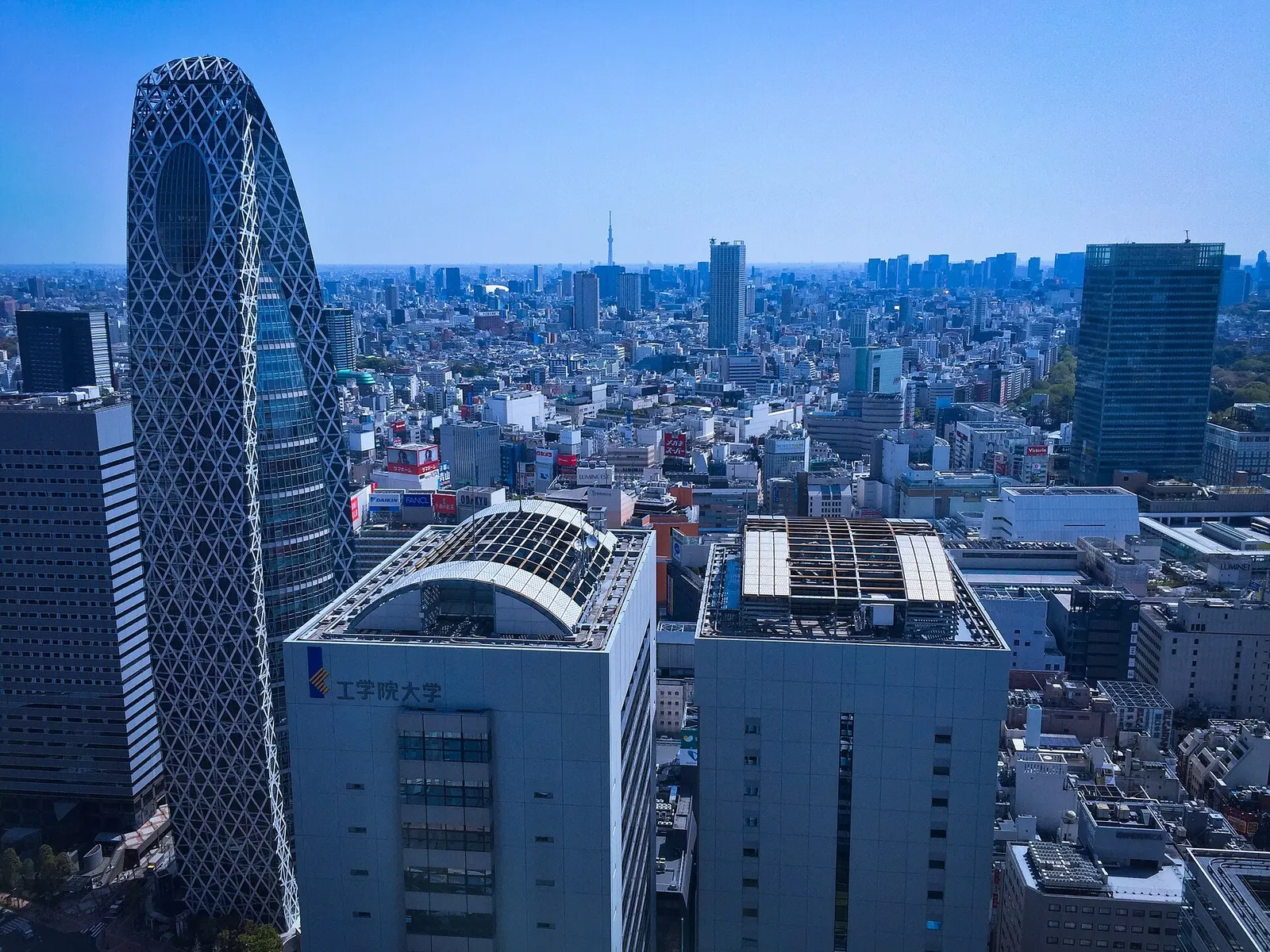
The reduced daylight and cooler air give November a different character than the bright intensity of summer. Crowds thin out after the autumn leaf season begins drawing domestic visitors to spots like Ueno Imperial Grant Park. The city maintains its energy but without the density of peak travel periods. You will find it easier to move through popular areas and secure reservations at restaurants that book up in busier months.
Two public holidays fall in November: Culture Day on the 3rd and Labour Thanksgiving Day on the 23rd. Government offices and many businesses close on these dates. Some tourist attractions may have adjusted hours or reduced services, particularly around Labour Thanksgiving Day, which marks the end of the autumn travel season in Japan. It is worth checking individual venue schedules if you plan visits around these dates.
What to See
The cooler temperatures and shorter days make outdoor exploration comfortable without summer's heat, while the thinning crowds create better conditions for visiting popular sites at a relaxed pace. Yasukuni Shrine, opened in 1869, sits in a wooded area that begins to show autumn colour in November. The shrine's grounds offer a quieter atmosphere than during peak season, and the walk through the trees suits the cooler weather. Meiji Jingū, opened in 1920, is another shrine set within forested grounds that benefits from November's lighter visitor numbers and cooler air.
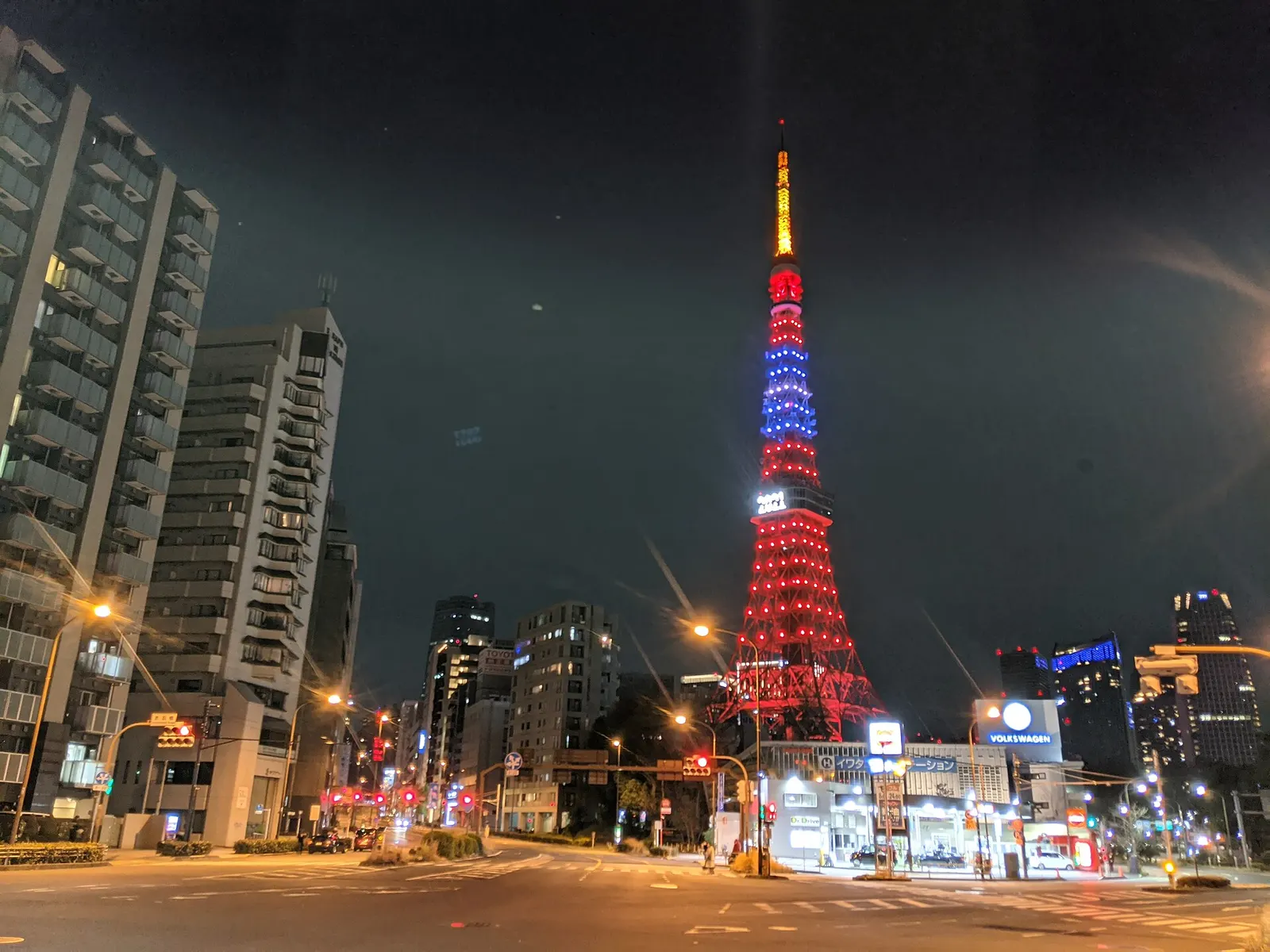
Tokyo Imperial Palace, opened in 1868, stands on land that was once Edo Castle, which was originally constructed in 1457. The palace grounds and surrounding gardens provide space for walking without the summer humidity. Ueno Imperial Grant Park, opened in 1873, begins its autumn transition during November, offering a different visual character than the cherry blossoms of spring. Tokyo Tower, opened in 1957, offers views that work well in clear November air, though you will want to plan your visit for daylight hours given the reduced sunlight.
For indoor options, the National Diet Library, opened in 1948, is a functioning research library with public reading rooms. Akihabara, the electronics district, operates year-round regardless of weather or holidays. Tsukiji fish market, opened in 1935, was a destroyed structure, so it no longer operates as a functioning market.
How to Plan the Days
With daylight limited to just over ten hours, you will want to front-load outdoor sightseeing. Morning hours from opening time through early afternoon work best for sites like the palace gardens and shrine grounds. Save indoor attractions, museums, and shopping districts for the afternoon when light fades and temperatures drop, or for any rainy periods that November may bring.
The rainfall means you should build flexibility into your itinerary. Have a backup indoor option for each outdoor day. A lightweight rain jacket or compact umbrella will serve you better than heavy rain gear given the moderate temperatures. Layering is practical: a base layer, a warm middle layer, and a water-resistant outer shell allows you to adapt as conditions change from morning chill to afternoon mildness to evening cold.
Pace yourself with enough breaks. The combination of walking, cooler air, and reduced daylight can be tiring if you try to pack too much in. Tokyo rewards slower exploration, and November's quieter streets make that easier to manage.
Practical Notes
The local currency is the yen. You will find cash machines at convenience stores and post offices, though some smaller restaurants and shops prefer cash. Credit and debit cards are widely accepted at hotels, larger retailers, and many restaurants, but carrying some yen for smaller purchases and local markets is advisable.
The primary language is Japanese. Signs in major transit hubs and tourist areas often include English, but outside those zones you may rely more on translation apps or basic Japanese phrases. Learning a few courtesy phrases will help with everyday interactions.
For November temperatures, pack layers you can add or remove throughout the day. A warm jacket or coat for evenings and early mornings, with lighter layers underneath for daytime highs of 17°C, serves better than a single heavy piece. Comfortable walking shoes are essential, particularly if you plan to cover the shrine and palace grounds. An umbrella or rain jacket handles the 120mm of monthly rainfall.
What to pack
- A warm jacket for evenings and early mornings around 9°C
- Layers that work for daytime highs of 17°C and cool nights
- A compact umbrella or waterproof jacket for intermittent rainfall
- Comfortable walking shoes suitable for shrine grounds and parks
- A light day bag to carry layers as the temperature shifts
Questions
Is November a good time to visit Tokyo?
Yes. November offers comfortable temperatures, lighter crowds than peak seasons, and the start of autumn colour. It works for travellers who prefer mild weather and space to explore.
What should I wear in Tokyo in November?
Layer your clothing. A warm jacket, lighter middle layers, and comfortable walking shoes handle the 9°C to 17°C range. Add rain protection given the month's rainfall.
Are tourist sites open on Culture Day and Labour Thanksgiving Day?
Many government-run attractions and businesses close on these public holidays. Private venues and restaurants may have reduced hours or remain open. Check individual schedules before visiting.