Understanding MICE Travel: Definition, Categories, and Its Importance for Business Tourism
17 July 2026, 3 min read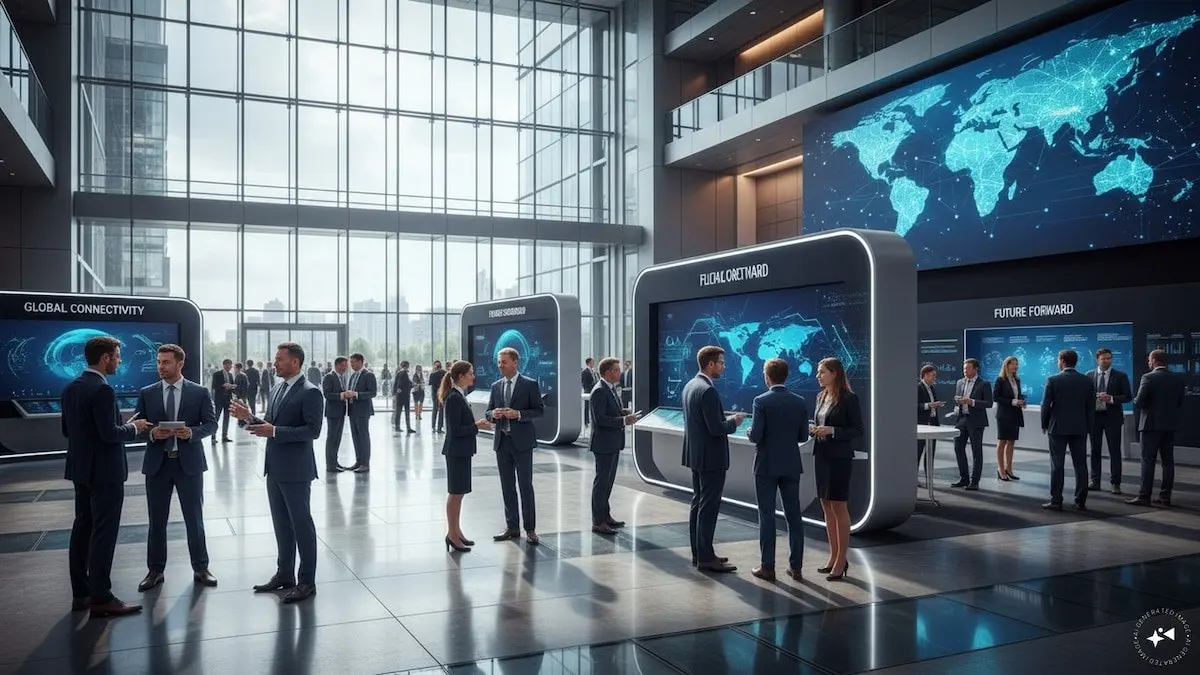
A June 2026 report from Ebix Travels, a global travel tech firm and omni-channel travel exchange, indicates that 74% of Indian businesses foresee an increase in business travel activities over the next year, with 68% prioritizing cost optimization in their travel programs.
A significant area within corporate travel is MICE: Meetings, Incentives, Conferences, and Exhibitions.
This sector encompasses company-sponsored events including leadership meetings, incentive trips for employees, conferences, trade exhibitions, and shows.
MICE travel involves various services such as transportation, accommodation, venue selection, event management, and destination planning. Companies utilize these events for employee engagement, business negotiations, networking, and interactions with stakeholders.
What’s driving interest in domestic MICE?
Organizations have historically utilized both domestic and international venues for MICE events. However, industry experts suggest that domestic locations are increasingly favored due to factors like cost efficiency, connectivity, and ease of planning and execution.
Anshul Bhargava, Founder & Chairman of Black Rock Hotels & Resorts, a Jaipur-based hotel management and brand franchising firm, noted that cost is just one element influencing destination preferences.
“Hosting an event in India can lead to savings of 20-30% due to decreased travel and logistical demands, depending on the selected destination and group size. However, factors like operational predictability, connectivity, and capacity for executing large events are equally significant,” he stated.
Bhargava remarked that while MICE budgets have remained stable, companies are increasingly focused on the value derived from these events.
“Instead of cutting budgets, organizations are investing in improving delegate experiences and maximizing value from domestic venues,” he added.
Companies focus on more than just cost savings
Kush Kapoor, CEO of Roseate Hotels and Resorts, which operates under Bird Hospitality, the hospitality division of India’s Bird Group, stated that the trend toward domestic MICE is propelled by a mix of cost efficiency, operational ease, and predictability.
“While hosting events domestically can help firms reduce international travel, visa, and foreign exchange expenses, the primary benefit is the simplified planning process, enhanced delegate participation, and lowered logistical challenges,” Kapoor mentioned.
He noted that depending on the destination and size of the event, companies could cut overall costs by 20-40% by opting for premium domestic locations as opposed to comparable international venues.
According to Kapoor, some organizations are allocating these savings to improve experiences, technology, entertainment, and employee engagement programs.
Destinations with strong connectivity and infrastructure are preferred
MICE events necessitate adequate venues, accommodation, connectivity, and supporting infrastructure. This has led to industries gravitating toward destinations with established hospitality frameworks for hosting corporate events.
Bhargava indicated that Jaipur has seen increased demand due to its air connectivity, hospitality infrastructure, and its ability to merge business events with leisure activities.
“Cities that are already equipped for events, like Jaipur, have emerged as highly sought-after due to their excellent connectivity, large-scale event infrastructure, and recreational options,” he said.
Planning in advance is essential
The surge in domestic MICE activity has also changed how companies organize their events, with hotels experiencing earlier inquiries for significant conferences and incentive programs.
Kapoor stated that companies are reserving space earlier to secure preferred dates, venues, and room availability, especially for larger events.
Moreover, event formats are evolving, with many organizations choosing shorter two- to three-night programs focused on productivity and engagement.
The evolving MICE landscape
Experts suggest that companies are now considering experiences alongside traditional business meetings. Wellness activities, local experiences, team-building programs, and curated dining options are increasingly becoming integrated into corporate itineraries.