Venice in November
15 October 2026, 3 min read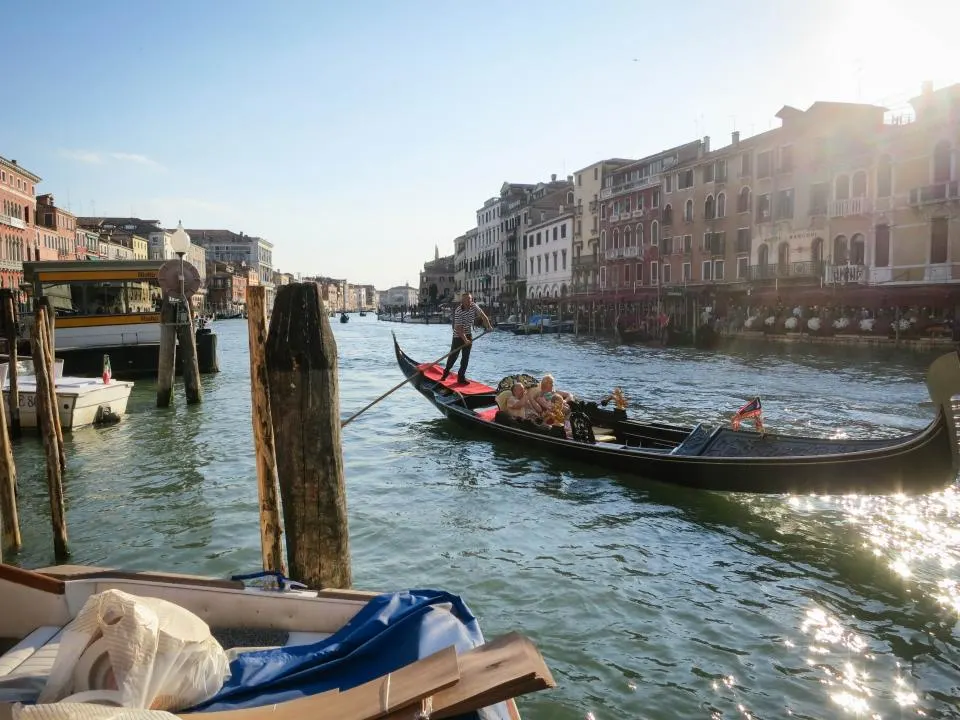
November is a solid choice for Venice. The city rewards travellers who prioritise atmosphere over action, and who can work around shorter days and regular rain without frustration.
Weather
November temperatures in Venice sit at a high of 13°C and a low of 9°C. This is a significant drop from the summer peak of 29°C recorded in July and August, and it is also warmer than the January minimum of 7°C, so you are not facing the coldest time of year. What you will face is rain. Monthly rainfall reaches 105mm, a substantial amount that arrives regularly rather than in isolated storms. Humidity stays at 80%, reinforcing the damp feel of the air. Daylight lasts just 9.3 hours, which means mornings come late and evenings arrive early. The practical result is that the most useful natural light concentrates in a narrow window around midday, and planning your days around that window makes sense. The weather is neither extreme nor forbidding, but it demands attention when you pack and when you schedule.
Feel of the City
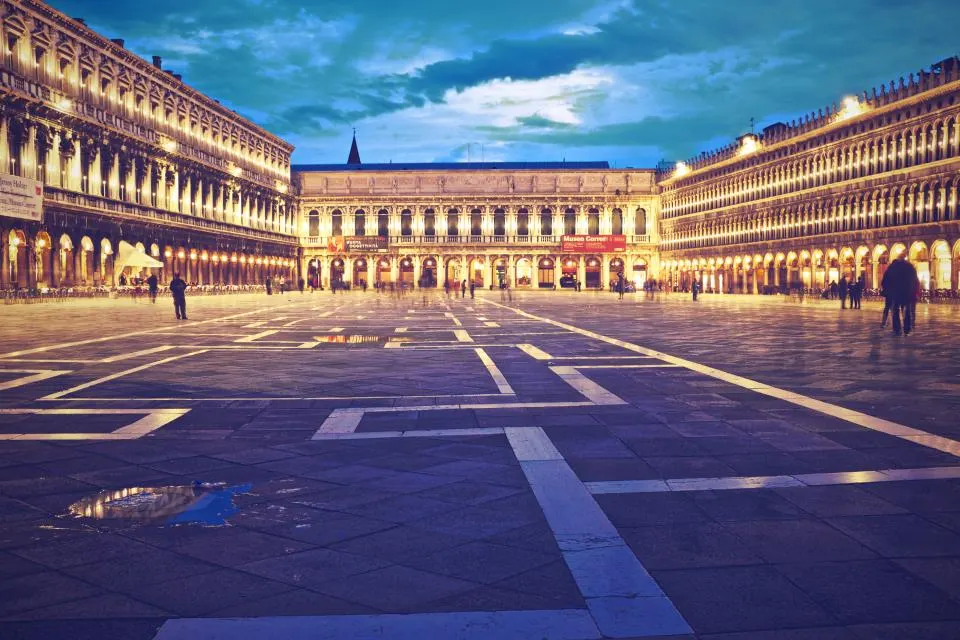
The reduced daylight changes how the city moves. Shops and restaurants adjust their hours accordingly, and the overall pace is calmer than in high season. November attracts notably fewer visitors than the spring and summer months, which means longer sightlines at crowded landmarks and more availability at restaurants that would normally require advance booking. The city feels less staged and more like a place where people live and work.
All Saints Day falls on 1 November. It is a public holiday in Italy, and some local businesses close for the day or operate on reduced hours. This is worth knowing if you are in the city at the very start of the month. Otherwise, the rhythm of November is steady and unhurried.
What to See
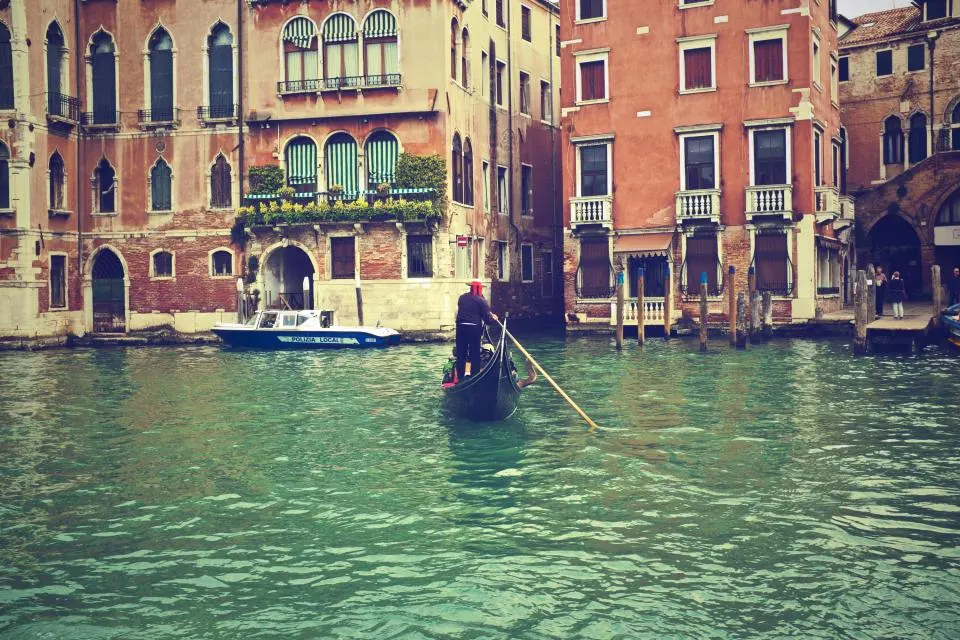
Several Venetian landmarks make strong November choices. The Doge's Palace, built in 1340, offers extensive interior spaces that are largely sheltered from the weather. Its covered corridors and frescoed rooms provide a full experience when rain arrives. The Rialto Bridge, opened in 1588, is best crossed in November when the stone holds less warmth than in summer and the tourist flow is manageable. It remains an outdoor experience, so timing it for dry weather helps.
The Bridge of Sighs, built in 1614, works as a brief outdoor moment between two indoor attractions. It is a short crossing that does not require a large time commitment.
Gallerie dell'Accademia, opened in 1750, holds several hours of paintings and sculptures in a climate-controlled setting. It is a reliable indoor option when rain arrives without warning.
St Mark's Basilica, built in 828, is best visited early in the morning or late in the afternoon to avoid the narrow windows when tour groups concentrate.
Planning Your Days
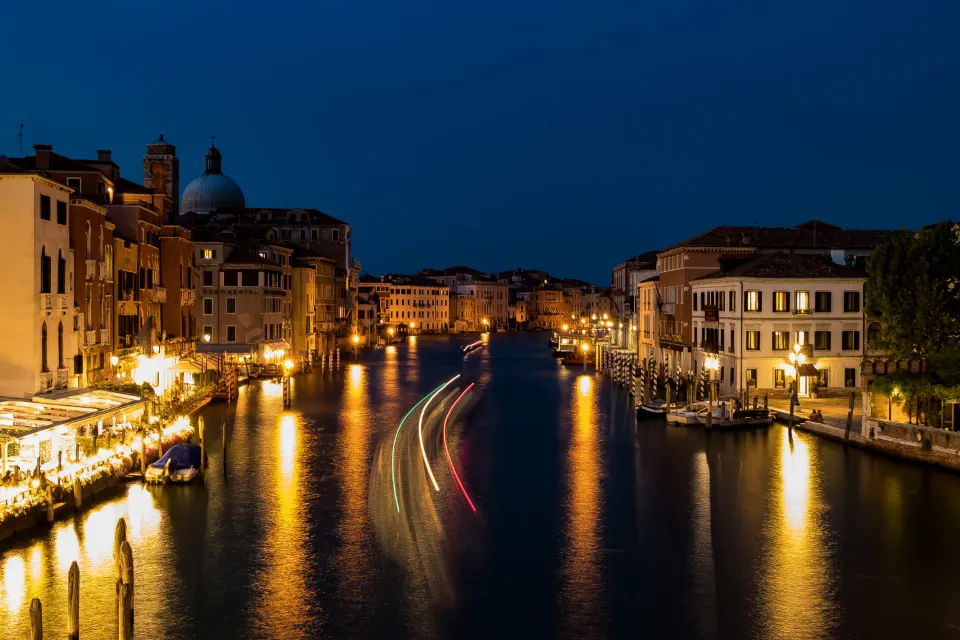
Pace yourself around the daylight. Mornings in November are slow to arrive, so an early start is less critical than in summer. The strongest natural light concentrates around midday, making that the most reliable window for outdoor sightseeing. Evenings arrive early in the month, which means dinner becomes the natural endpoint of the day rather than an early pause.
Rain can arrive at any point, so keeping one segment of each day flexible is sensible. A two-night minimum stay allows you to balance weather-dependent outdoor plans with confirmed indoor visits. On drier stretches, extend your time outside and move indoor activities to wetter periods. This rhythm prevents frustration and makes the city feel manageable rather than chaotic.
Practical Notes
The local currency is the euro and the language is Italian. Contactless and tap payments are accepted in most restaurants and shops that cater to visitors, but carrying a small amount of cash remains useful for smaller markets and family-run businesses that may not have card terminals.
Dressing for November in Venice means layering. A base layer, a warm mid-layer, and a waterproof outer shell will see you through most conditions from morning to night. The temperature range between 9°C and 13°C is not extreme, but the combination of damp air and wind makes thin layers insufficient. Waterproof shoes with good grip are essential, as the stone streets become slippery when wet. A compact umbrella fits in a day bag without difficulty and handles brief downpours without requiring a full retreat indoors.
What to pack
- Waterproof jacket with a hood
- Layered clothing with a warm mid-layer
- Waterproof shoes with good grip
- Compact umbrella
- Small day bag for wet weather essentials
Questions
Is November a good time to visit Venice?
Yes, if you prefer cooler weather, thinner crowds, and a more authentic city atmosphere over peak-season bustle.
How much does it rain in Venice in November?
Venice receives around 105mm of rain in November, so rain is common and visitors should be prepared.
What should I wear in Venice in November?
Layer your clothing, wear waterproof outerwear, and choose sturdy shoes with good grip for wet stone streets.