Vienna in November
7 October 2026, 4 min read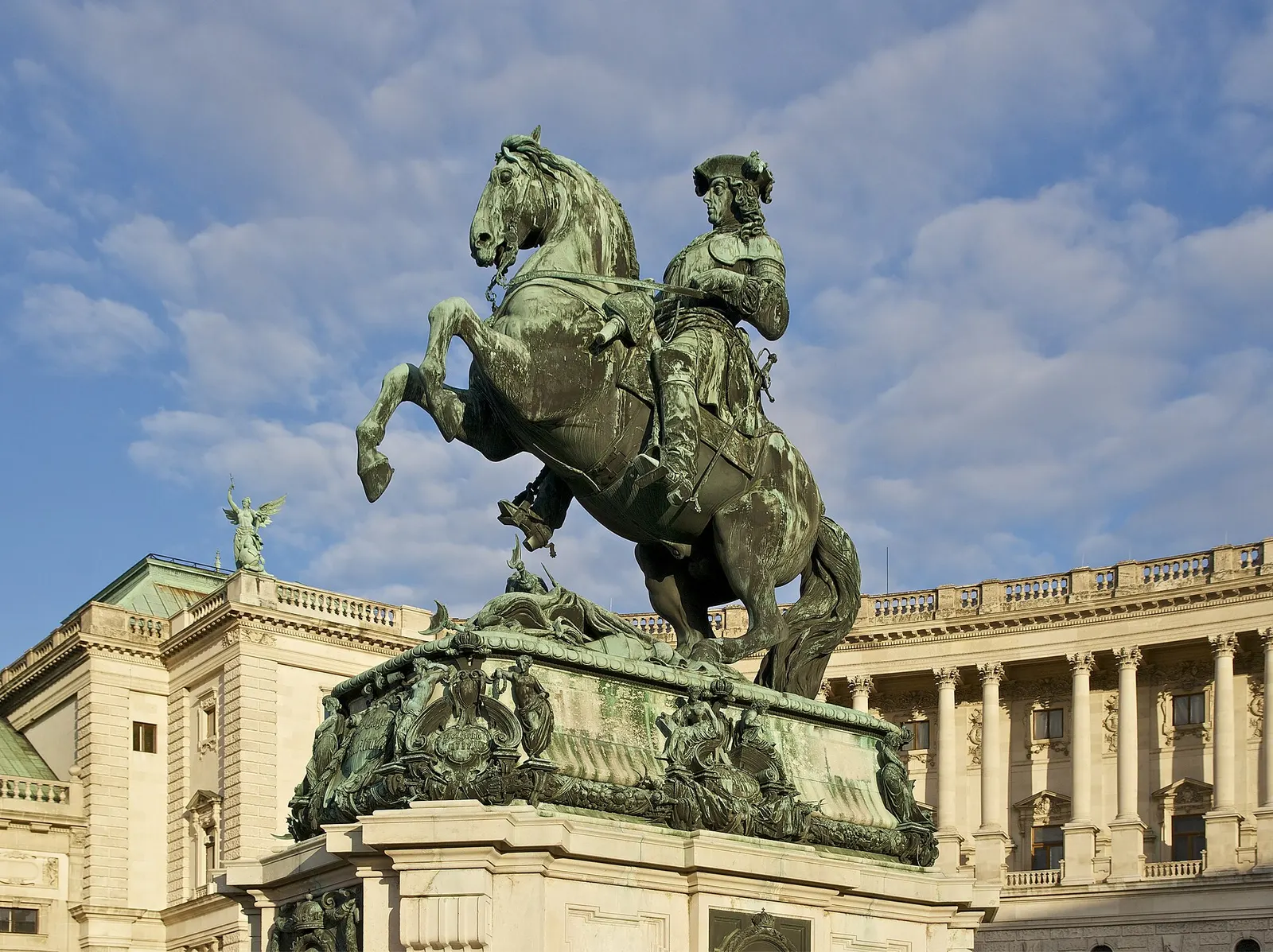
November works well for culture seekers who do not mind cold weather and short days. The city is less crowded than in peak seasons, and indoor attractions are at their best. It suits travellers who prioritise museums and culinary experiences over outdoor sightseeing.
The Weather in November
November in Vienna brings a high of 10 degrees Celsius (50 degrees Fahrenheit) and a low of 4 degrees Celsius (39 degrees Fahrenheit). That puts it firmly in the cool range, well below the summer peak of 29 degrees Celsius (84 degrees Fahrenheit) in July and 28 degrees Celsius (82 degrees Fahrenheit) in August. Compared to the coldest month of January at 4 degrees Celsius (39 degrees Fahrenheit), November sits just above the winter floor, making it the start of the genuinely cold season rather than its depth.
Rainfall measures 43 millimetres for the month, with humidity at 88 percent. The combination means dampness without being torrential, and visitors should expect overcast skies more often than not. Daylight lasts around 9 hours, sharply reduced from the 16 hours available in June. The city is dark early, which shapes how you plan each day.
What the Month Feels Like
November strips away the tourist bustle of summer and early autumn. Popular sites are quieter, and restaurant reservations are easier to secure. The atmosphere shifts toward the contemplative: Viennese life moves indoors to coffee houses and wine taverns, and the city takes on a more local character.
All Saints' Day falls on 1 November. As a public holiday, some shops and attractions may close or keep reduced hours, particularly on that single day. Visitors should check individual venue schedules in advance. The holiday does bring a certain solemnity to the city, with candlelit ceremonies and flowers at cemeteries, which can be a moving thing to witness.
The reduced daylight and cool air create a particular mood. The early darkness makes evening activities, opera, theatre, and concerts, feel more central to the experience than they might in summer. Vienna's concert calendar is year-round, but November's darkness makes attending a performance feel like the natural thing to do after dinner.
What to See
St. Stephen's Cathedral, built in 1137, stands as the city's most recognisable Gothic landmark. Its interior offers warmth and grandeur, and the South Tower provides views over the old town if weather permits. The cathedral's stone walls hold heat better than open-air sites, making it a practical choice for cooler days. November crowds here are thin compared to peak months.
The Kunsthistorisches Museum, opened in 1891, houses a vast collection spanning Egyptian antiquities, Old Masters, and decorative arts. Its interior is ornate and spacious, giving you plenty to absorb regardless of the weather outside. The museum has significant holdings, so plan at least half a day if you want to see the main galleries.
The Belvedere, built in 1714, consists of two Baroque palaces with gardens between them. In November the gardens are bare but still worth crossing. The upper palace houses Austrian art from the Middle Ages to the present, with strong holdings in Klimt and Schiele. The palace itself is grand without being overwhelming, and the layout lets you move through it at a comfortable pace.
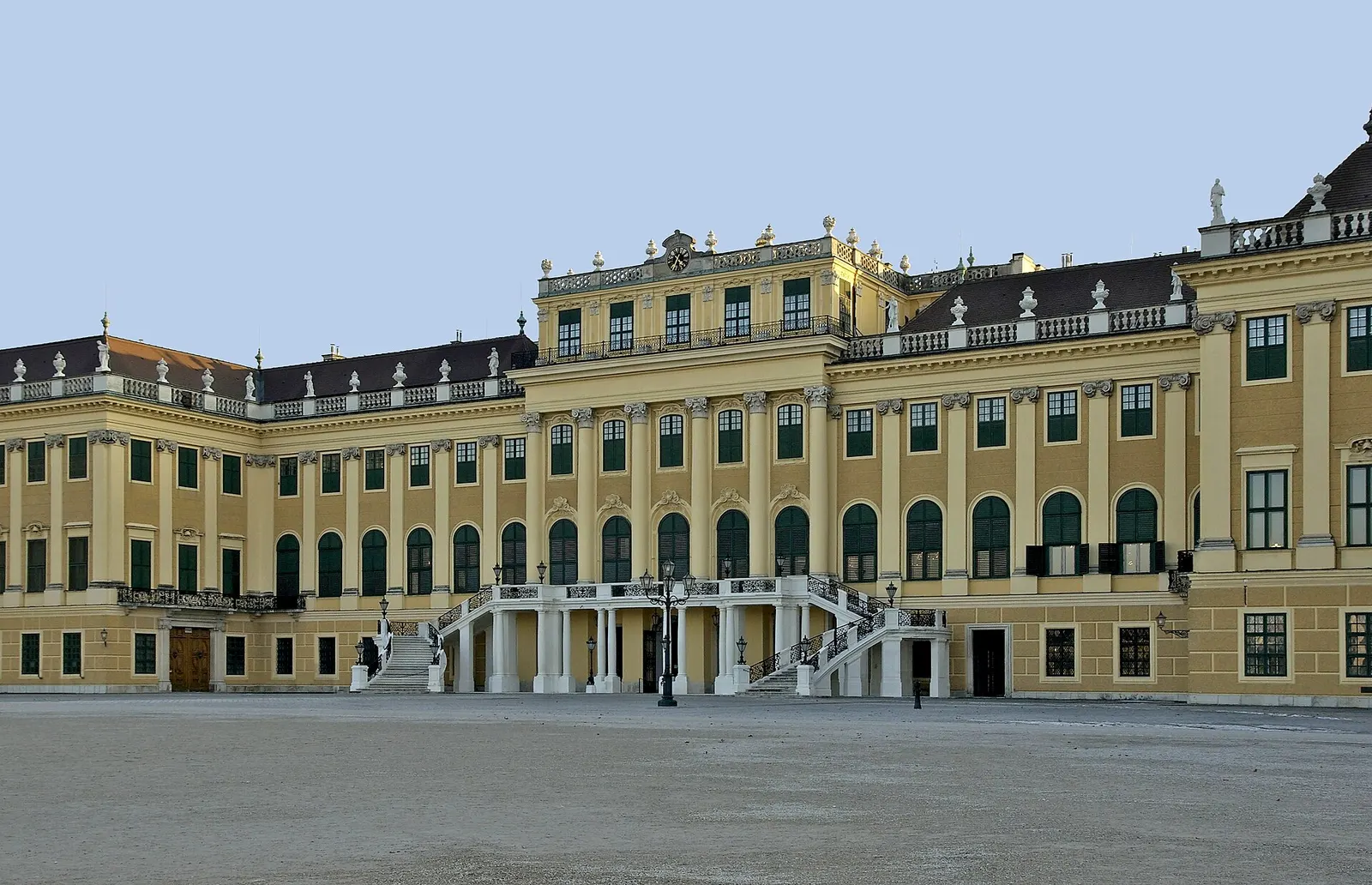
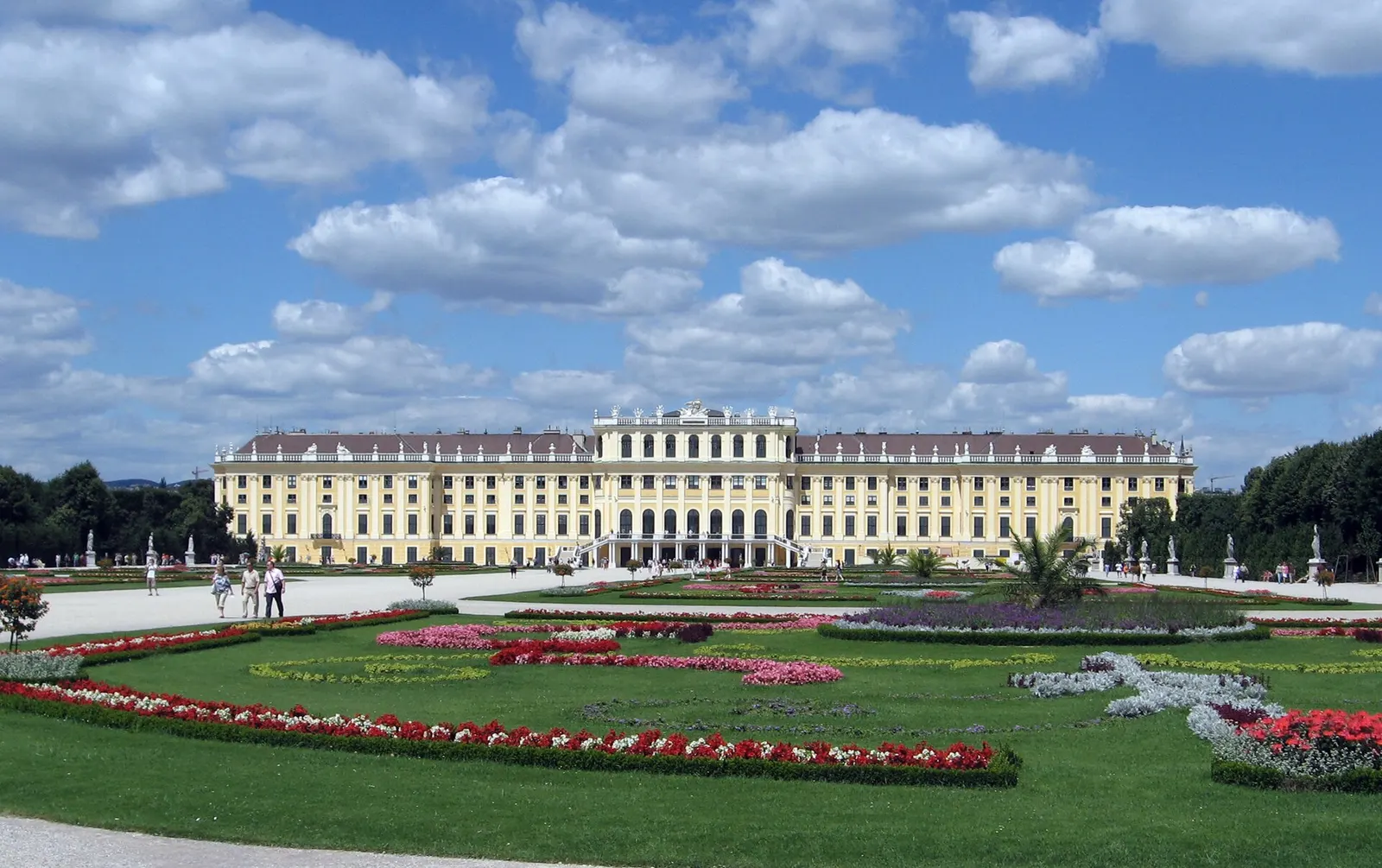
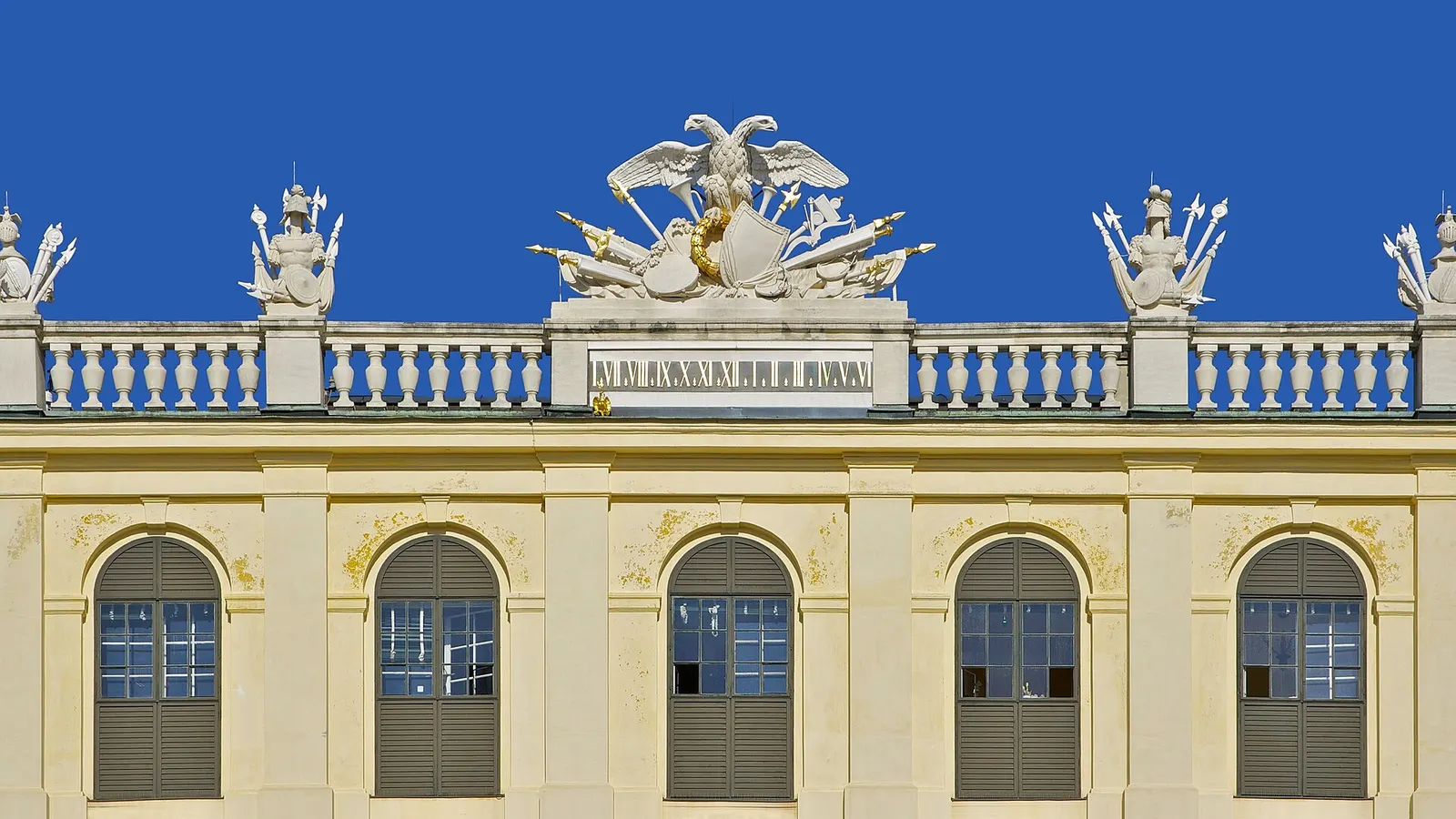
Schönbrunn Palace, built in 1638, is a former imperial summer residence. The state apartments and gardens are the main draw. November visits work well here because the palace interior is fully enclosed and heated, while the extensive gardens offer space to walk off the warmth accumulated indoors. Allow a full morning or afternoon.
The Hofburg Palace, built in 1279, served as the centre of Habsburg power for centuries. Its various wings house museums, the imperial apartments, and the Sisi Museum. The underground sections and richly furnished rooms make it a good rainy-day option. Crowds thin noticeably compared to summer, though the palace is large enough that this matters less.
How to Plan the Days
With only 9 hours of daylight, mornings matter more than in summer. Leave accommodation early to make use of available light for outdoor stretches along the Ring Road or between sites. The Ring Road circles the historic centre and passes several major landmarks, making it a useful route for getting oriented.
Indoor attractions should anchor the middle of the day, especially if rain arrives. Museums, coffee houses, and churches provide shelter and warmth. Save lighter outdoor activity for any dry windows. Evenings naturally centre on cultural events. The Vienna State Opera house opened in 1869 and offers ballet and opera throughout November, while the Burgtheater built in 1741 presents drama. Book tickets in advance for popular performances.
Pace yourself across the trip rather than trying to fit too much into each day. November demands slower travel: the cold saps energy, and darkness arrives early. Three or four days give enough time to see the main sites without rushing. Prioritise the attractions that most interest you and leave room for unhurried coffee house stops.
Practical Notes
Austria uses the euro. ATMs and card payments are widely accepted, though some smaller establishments still prefer cash. Notify your bank before travelling to avoid card blocks. The local language is German, though English is common in tourist areas and museums. Learning a few basic German phrases is appreciated in shops and restaurants.
Dress in layers that you can add or remove indoors and outdoors. A warm coat, scarf, and sturdy shoes are essential. Waterproof outer layers serve better than umbrellas in strong wind. Gloves and a hat become necessary on the coldest days. The 4-degree lows mean you will feel the chill immediately without adequate insulation.
Vienna sits at 151 metres above sea level. The city is compact enough to cover on foot, though trams and the U-Bahn provide efficient alternatives when the cold or rain becomes unpleasant. The train system connects the airport to the centre in about 30 minutes.
What to pack
- A warm, water-resistant coat that blocks wind
- Layers including a fleece or warm mid-layer beneath
- Waterproof shoes or boots with good grip on wet pavement
- Gloves, a hat, and a scarf for temperatures near 4 degrees
- A small day pack for layers, a water bottle, and rain cover
Questions
Is November a good time to visit Vienna?
Yes, if you want quieter sites, full access to museums and performances, and do not mind cold weather and early darkness. It is less suitable for those who need long daylight hours and warm temperatures.
What should I pack for Vienna in November?
Bring a windproof, water-resistant coat, warm layers, sturdy waterproof shoes, gloves, a hat, and a scarf. The temperatures ranging from 4 to 10 degrees Celsius make warmth and weather protection the priorities.
Are attractions open in November?
Most major museums, palaces, and cultural venues operate year-round. Check individual hours around All Saints' Day on 1 November, when some places may close or reduce opening times.