






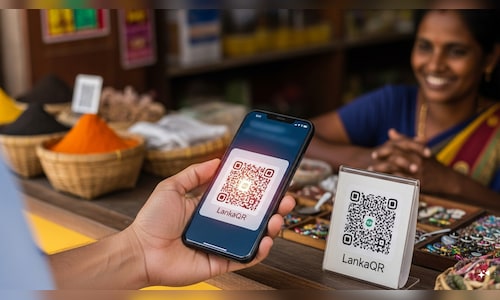
UPI-enabled payments utilizing LankaQR were introduced in Sri Lanka in 2024. The current initiative aims to enhance merchant participation, especially in high-traffic sectors like hospitality, retail, and tourism, rather than creating a new system.
By collaborating with LankaPay, Indian travellers can already process payments by scanning LankaQR codes with UPI-enabled applications. With the ongoing efforts, more establishments—including hotels, supermarkets, and retail chains—are being integrated into the network to enhance accessibility.
For personal finance, the broader rollout is anticipated to facilitate smoother cross-border spending for Indian users by minimizing dependence on cash and currency exchange services. UPI transactions enable direct payments from Indian bank accounts with real-time processing and visible exchange rates, providing a familiar payment experience when abroad.
India continues to be the largest source of tourists for Sri Lanka, with over 5.31 lakh Indian visitors in 2025, an increase from 4.16 lakh in 2024. This rise in tourist numbers has fueled the demand for more convenient and secure payment methods.
For merchants, the expanded acceptance of UPI opens access to a substantial base of Indian consumers and can enhance cash flow efficiency by minimizing reliance on physical currency.
UPI processes over 20 billion transactions each month and holds a significant share of global real-time payments. The National Payments Corporation of India, through NIPL, stated that it will continue to collaborate with local stakeholders to widen acceptance across various sectors, thereby supporting cross-border commerce and travel between the two nations.