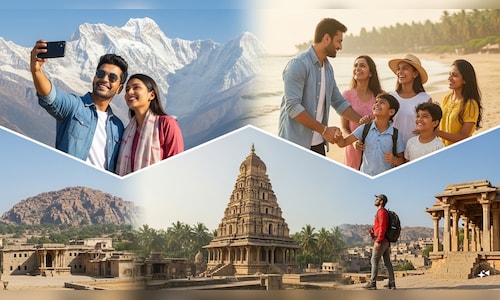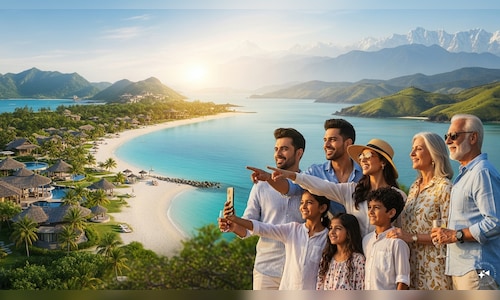







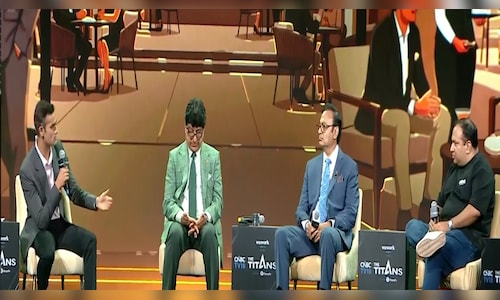
During CNBC-TV18’s event The Titans, Puneet Chhatwal, Managing Director and CEO of Indian Hotels Company Ltd (IHCL), remarked that this situation could foster the “apna desh” narrative and motivate increased expenditure within India.
Chhatwal further noted that this trend could align with initiatives like “Make in India, Heal in India, and Wed in India,” benefiting both domestic tourists and international travelers.
However, he mentioned that the industry is still navigating the broader ramifications of the Prime Minister’s statements amidst rapidly shifting geopolitical climates.
“We are all a bit speechless, thinking: is there more to it? Is there something that we need to know?” he expressed, mentioning that further clarity may emerge in the coming weeks.
Anuraag Bhatnagar, CEO and Whole-Time Director of The Leela Palaces, Hotels and Resorts, shared a similar sentiment, highlighting that domestic travel demand has already surged during the summer holidays.
“May, June, and July are peak holiday months, coinciding with school vacations, which typically see a robust domestic turnout. This is set to further increase,” Bhatnagar stated.
He pointed out that the number of wealthy Indian travelers going abroad greatly surpasses the count of inbound international tourists to India, presenting a long-term opportunity for the domestic hospitality sector.
“Affluent Indians traveling overseas outnumber inbound tourists by nearly three times,” he observed.
These remarks come amidst financial market fluctuations that have sparked worries about the wealth effect on discretionary spending, particularly in the luxury sector. Nonetheless, Chhatwal maintained that business trends have remained stable despite prevailing uncertainties.
He emphasized that ensuring safety and security is crucial for driving hospitality demand, noting that IHCL’s operations, including those in the Middle East, have faced no significant interruptions.
The conversation also underscored how companies are increasingly shaping their strategies around India’s flourishing experience economy.
Rahul Ganjoo, CEO of District by Zomato, noted that the company recognizes a larger potential in out-of-home consumption and urban experiences.
“The unifying principle across our businesses is: how can we streamline urban lives and reduce friction?” Ganjoo stated.
“We focus on minimizing that friction to help more individuals enjoy consumption outside their homes. We believe that this market is significantly larger than at-home consumption,” he added.
Bhatnagar remarked that India’s luxury hospitality sector continues to thrive, benefiting from strong macroeconomic trends and increased demand for premium services. He mentioned that Brookfield Corporation’s acquisition of Leela in 2019 enabled the company to scale up through improved access to capital and disciplined asset management while retaining its luxury focus.

Also Read | How demand, experience-led travel are shaping hospitality sector growth
In addition, Chhatwal noted that IHCL has expanded significantly beyond the Taj brand to appeal to a broader consumer demographic, including upscale, mid-scale, and homestay options.
“We must provide a product for every type of Indian,” Chhatwal mentioned, referencing India’s expansive and evolving travel market.
He affirmed that the Taj brand continues to be a cornerstone of the company’s identity and growth strategy, with its luxury portfolio nearing 150 hotels worldwide.