






Injectable fat and biostimulators are two injectable treatments that have both been around for years. The combination, though, is a different conversation, and one that New York maxillofacial surgeon Yan Trokel, MD, has been having longer than many. Together, they address volume loss while also prompting the body to keep rebuilding on its own. And that’s just scratching the surface of a treatment combination that’s long overdue for more attention.
Ahead, we’re diving deeper into what to know about using injectable fat and biostimulators together, including the three versions of injectable fat, why GLP-1 patients should pay attention and what recovery actually looks like.
Featured Experts
- Yan Trokel, MD is a board-certified maxillofacial surgeon in New York
- Greg Chernoff, MD, is a triple board-certified facial plastic surgeon in Indianapolis
What Are Biostimulators?
Biostimulators are a category of injectables that work differently from traditional fillers. Rather than simply occupying space, they signal the body to create something new: collagen, fat or muscle. Sculptra and diluted Radiesse are two of the most well-known, but the category includes several others.
What Is Injectable Fat?
Injectable fat is exactly what it sounds like: fat tissue used as an injectable to restore lost volume. It’s sometimes referred to as off-the-shelf fat grafting, since it mimics the results of traditional fat grafting without requiring liposuction. Unlike synthetic fillers, it’s derived from human tissue rather than a manufactured substance.
The category has evolved significantly over the past few years as demand for more natural, longer-lasting alternatives to traditional filler has grown. Here’s how the three main versions differ.
Renuva
Renuva was the first of its kind: rather than injecting actual fat, it introduced a fat-derived scaffold—essentially a structural framework made from donated fat tissue—that the body fills in with its own fat over time. The concept was novel, though the limitation was predictability.
Because results depended entirely on how the body responded to the scaffold, providers tended to undertreat and wait, never quite sure how much fat would ultimately grow. Dr. Trokel is quick to note it’s still a strong option; newer products have simply given providers more control over the outcome.
AlloClae
AlloClae, which launched in early 2025, built on Renuva’s foundation by combining actual fat—sourced from donated human tissue—with the scaffold, roughly 60 percent fat, 40 percent scaffold. That means you see an immediate result from the fat, and if some of it gets absorbed by the body over time, the scaffold picks up the slack by continuing to regenerate tissue. You’re getting two things working at once rather than waiting on one.
Lipoderma
Lipoderma, which became available in fall 2025, is closest to injecting real fat, with a 90/10 fat/matrix ratio. Unlike the other two products, it uses fresh donor fat tissue that’s minimally processed, meaning the fat cells are kept largely intact rather than being broken down into a scaffold or matrix. If some fat naturally absorbs over time, the small amount of matrix in the formula steps in to compensate, helping maintain the result.
Real Patient Results
The Case for Combining Biostimulators and Injectable Fat
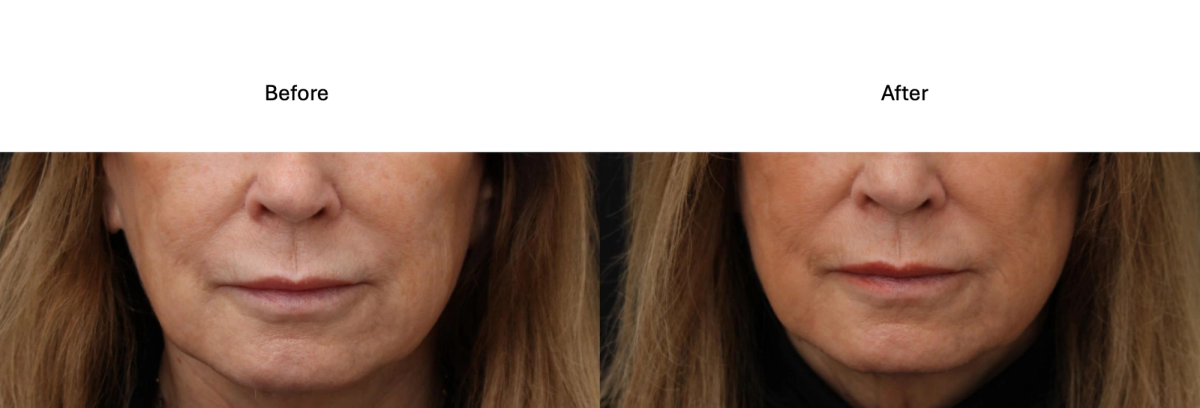
Injectable fat addresses volume loss effectively on its own, but pairing it with a biostimulator means the fat delivers immediate volume while the biostimulator keeps the body building collagen from within long after the appointment. With minimally processed options like Lipoderma, the fat also carries stem cells that contribute to tissue regeneration. In other words, both are actively working to restore and rebuild, just through different mechanisms and on different timelines.
Where on the Body Can Injectable Fat and Biostimulators Be Used?
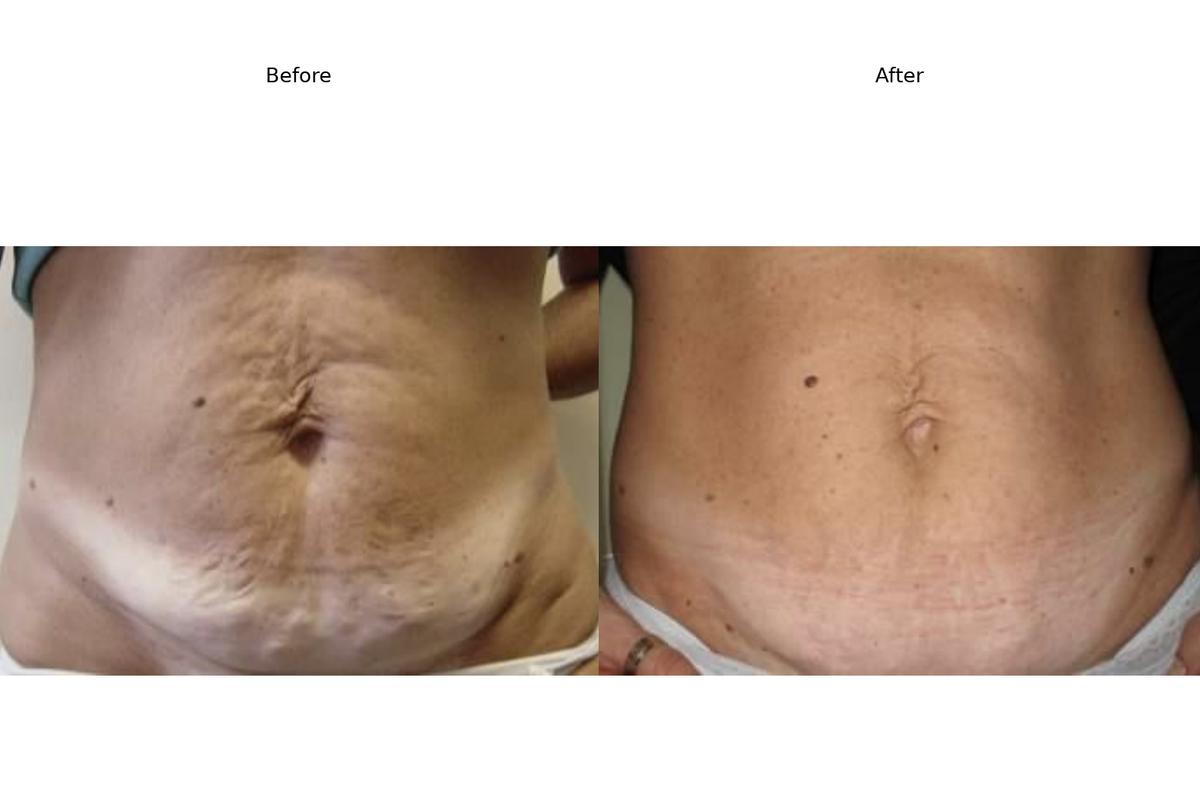
Dr. Trokel uses this combination across the face, hands, buttocks and body, but among the applications he seems most passionate about is body sculpting. He’s developed a technique he calls “chiseled,” which involves injecting fat with biostimulators directly into muscle to create definition that looks genuinely sculpted rather than treated. The before-and-afters, he says, speak for themselves.
Real Patient Results
Why GLP-1 Patients Are Turning to Injectable Fat and Biostimulators
GLP-1 medications such as Ozempic and Wegovy have helped millions lose weight, but they’ve also introduced a set of aesthetic side effects that go beyond what most people expect. According to Dr. Chernoff, patients typically present with muscle wasting, loss of the fine layer of fat just below the skin, loss of deeper fat, loss of skin elasticity and even hair thinning. Volume loss, he notes, is only one part of it. The result is what’s been infamously dubbed Ozempic face and Ozempic body.
Dr. Trokel’s approach is to use this combination alongside the GLP-1 journey, not after it. “You go to the gym, you don’t really see a difference, so you’re like, is it really working? But if you get the treatment done and right away you look good, you’re going to be more motivated to stick to the GLP. You’re going to be more motivated to stick to a healthy lifestyle. Because you see the difference and then you want to maintain the difference.”
That said, timing depends entirely on the patient and the degree of weight loss involved. Someone losing 10 pounds may move quickly, while someone with significantly more to lose may be advised to wait. Dr. Chernoff’s protocol reflects the more complex end of that spectrum: the injectable fat and biostimulator treatments come only once the patient has reached goal weight and stabilized for a minimum of four to six months.
For larger body areas like the buttocks, hips and thighs, Dr. Chernoff combines Lipoderma with a diluted form of the biostimulator Radiesse, either in sequence or simultaneously. The reasoning: larger areas require more volume and a stronger structural foundation, so the Radiesse is used to create a deep scaffold in the tissue first, which the fat is then injected on top of to restore volume and rebuild collagen at once.
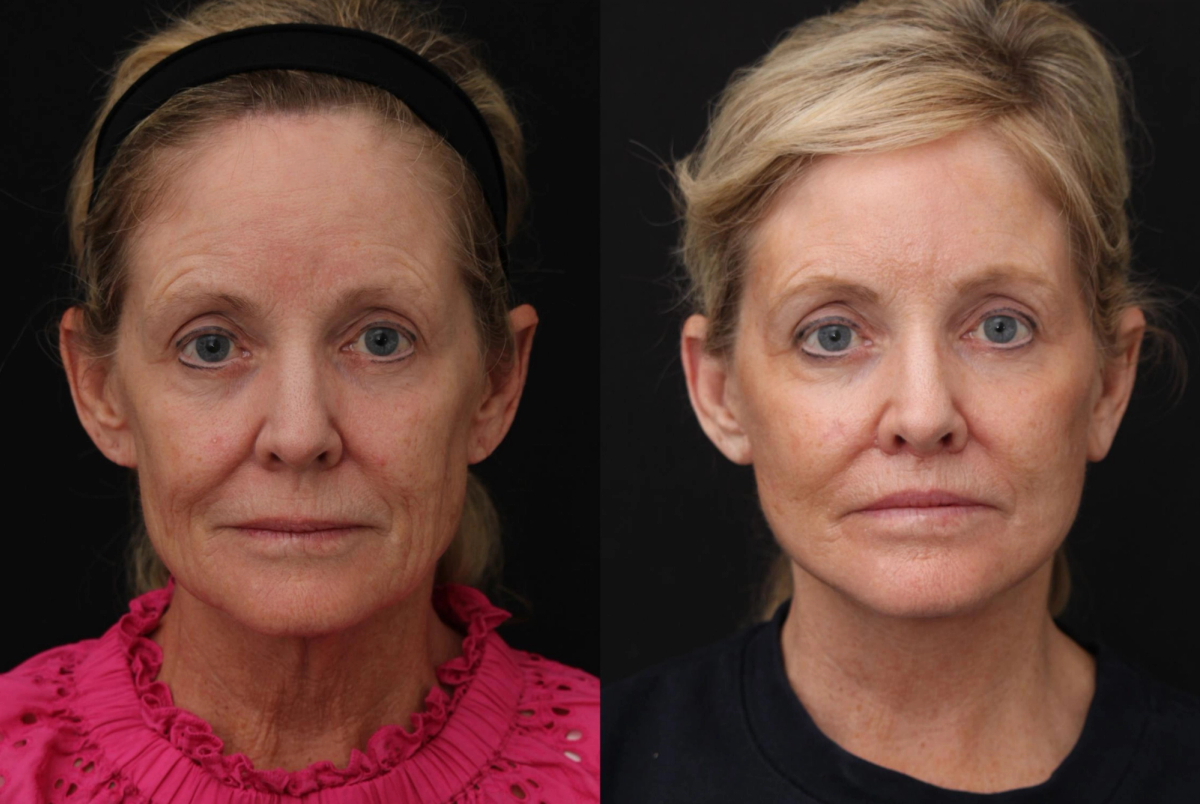
For more delicate areas like the temples, tear troughs, cheeks, lips, earlobes and jawline, injectable fat alone does the job. “The patient’s own blood vessels develop a blood supply in the injected fat, and eventually the patient’s own fat integrates into the scaffold for permanent augmentation,” Dr. Chernoff says.
Real Patient Results
Recovery and Realistic Expectations
Downtime from injectable fat and biostimulator treatments is minimal. Most patients experience some swelling or bruising for a few days at most. Final results take time to fully settle: Dr. Trokel recommends giving it one to three months before assessing the outcome, since some fat naturally absorbs post-injection, while the biostimulator continues building collagen for up to six months.
Once established, results are long-lasting, though both doctors are clear that maintenance matters. Touch-ups over the years are realistic to expect, but the baseline doesn’t disappear. “You’ll never go back to the beginning of where you were,” Dr. Trokel says, “but you are going to be in a much better place than you were before you started.”
As for who shouldn’t do it: anyone with an uncontrolled chronic condition, an active infection, an autoimmune flare or who is currently undergoing chemotherapy or radiation. It’s also off the table for those who are pregnant. Outside of those cases, the patient pool is broad, though your provider will ultimately be able to steer you in the right direction.