





In aesthetic medicine, trends come and go, but experience never goes out of style. With nearly three decades in this space, Beverly Hills, CA PA-C Christie Kidd, founder of Rodeo Drive Dermatology & Aesthetics and Perfect Skin by Christie Kidd, has built a reputation for combining medical expertise with an artistic eye, earning the trust of patients seeking natural-looking results. And as the aesthetic landscape continues to evolve, her career offers a unique perspective on how the PA-C (certified physician assistant) profession, in-office treatments and patient expectations have transformed over the years.
Here, Kidd reflects on her journey so far and shares her predictions for the future.
“When I began my career more than 25 years ago, the world of aesthetic medicine looked very different than it does today,” says Kidd. “At the time, physician assistants were still working to establish ourselves within many medical specialties, including dermatology and aesthetics. While we were highly trained medical professionals, many patients—and even some health-care professionals—didn’t fully understand what a PA-C was, the depth of our education or the role we could play in patient care.
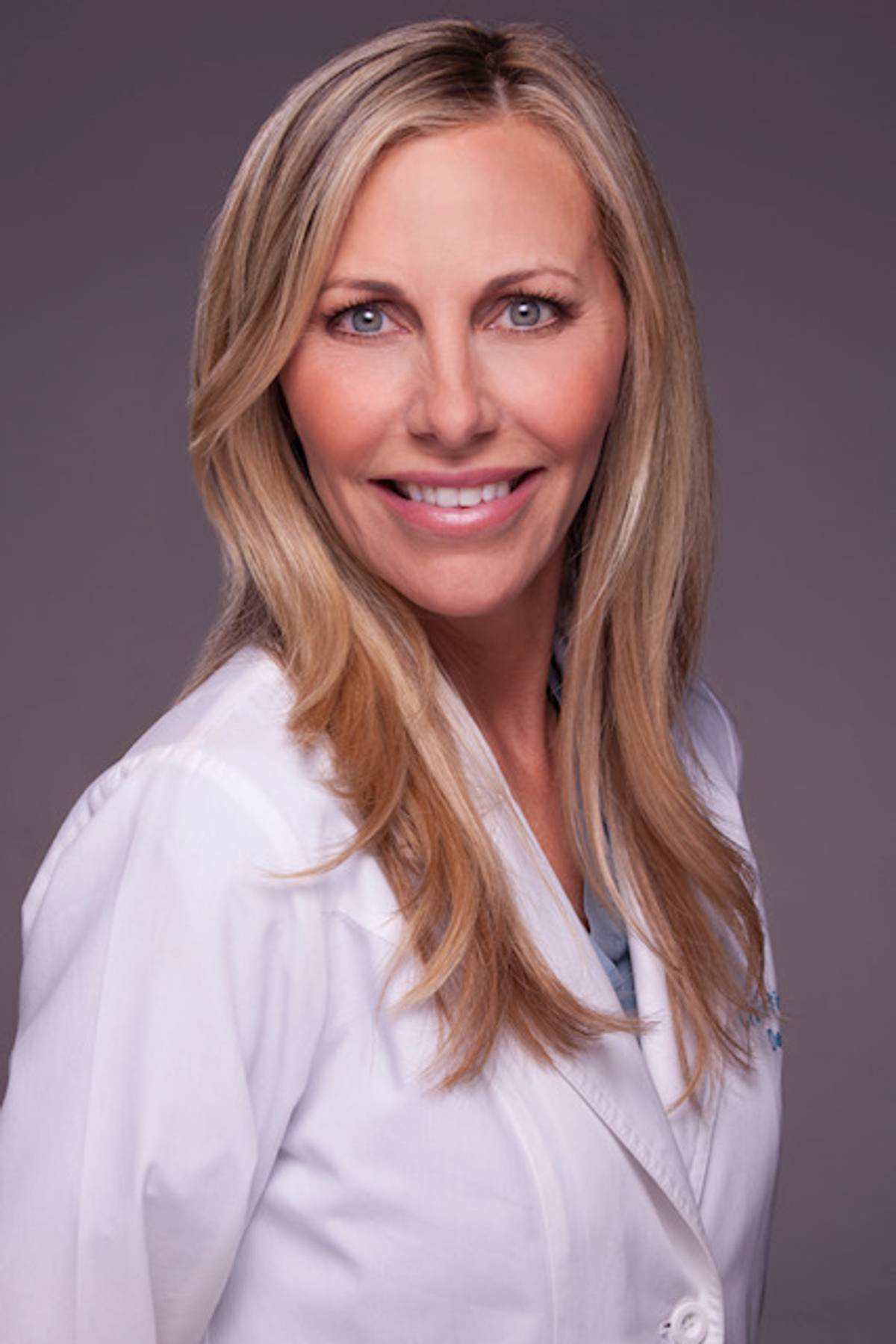
Today, I look around at the aesthetic medicine community and feel an enormous sense of pride. I am proud of how far our profession has come. I am proud of the trust patients place in us. I am proud that experienced PA-Cs are now recognized not only as skilled procedural providers but also as highly trained medical clinicians who bring both science and artistry to aesthetic medicine.
One of the things I value most about being a PA-C is the medical foundation on which our profession is built. Before becoming certified, PA students complete a rigorous master’s-level medical education and thousands of hours of clinical training across multiple specialties. Throughout our careers, we continue to learn, adapt and refine our skills through continuing medical education and hands-on experience. That medical training matters every day in my practice.
Many people think of aesthetic medicine as Botox, fillers and lasers, and certainly those treatments are an important part of what I do. But every cosmetic consultation is also a medical evaluation. Every patient brings a unique medical history, skin condition, anatomy and set of goals. My job isn’t simply to perform a procedure. It’s to assess the whole patient and determine the safest, most appropriate treatment plan.
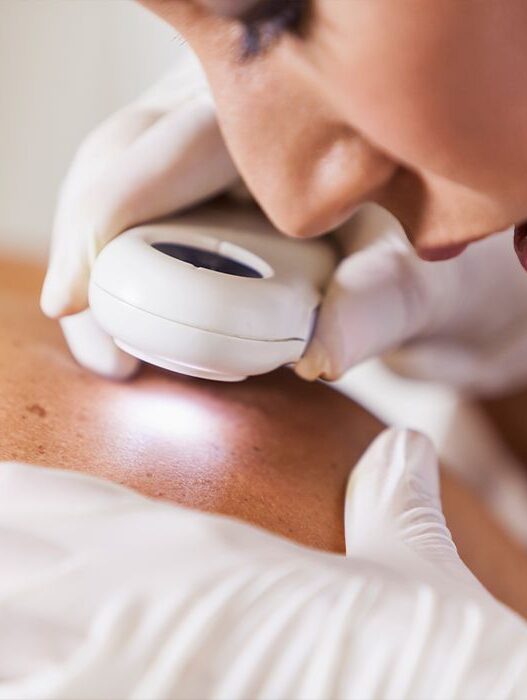
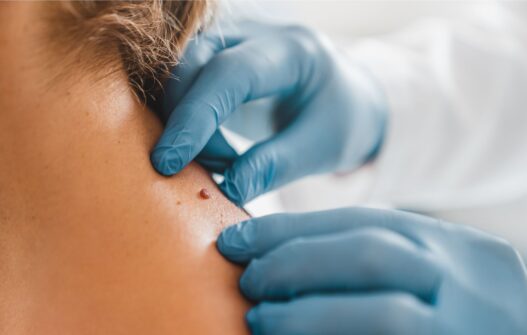
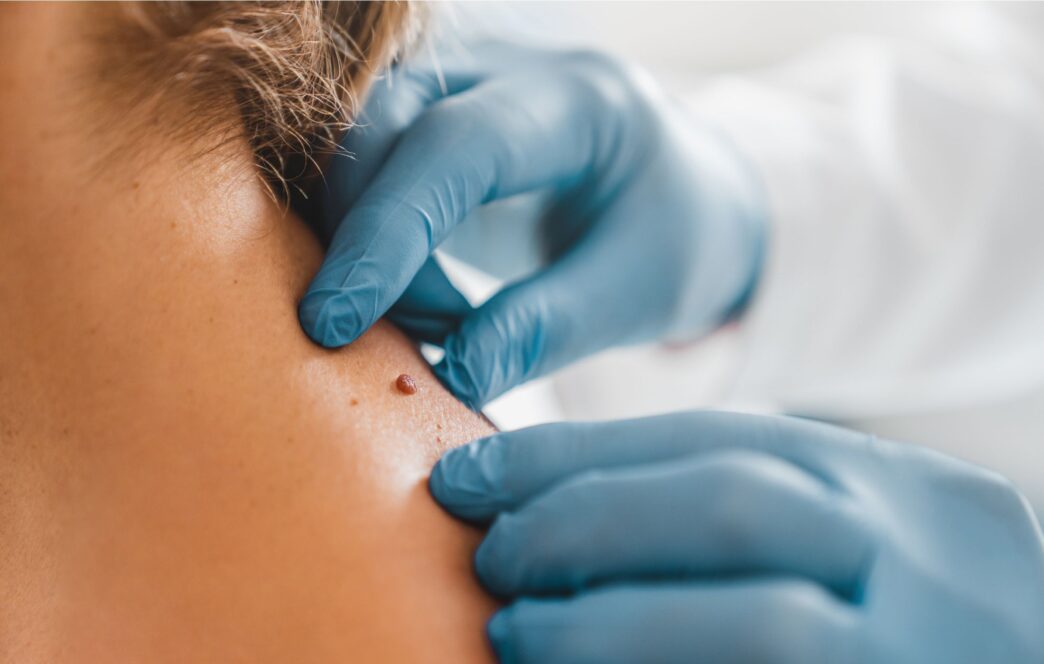
There have been countless moments throughout my career that have reinforced the importance of that medical perspective. One patient came to me frustrated by a brown spot on her face that had been treated repeatedly with IPL for nearly two years. She told me the treatment wasn’t working and wanted to know what else could be done. The moment I examined the lesion, I knew something wasn’t right. What she believed was a cosmetic concern was actually a Lentigo Maligna, an early form of melanoma.
That lesion never should have been treated with a laser. It needed a biopsy and surgical removal. Fortunately, we diagnosed it in time and arranged treatment with a dermatologist promptly. Had it gone untreated much longer, the outcome could have been very different.
Stories like that remind me why medical training and clinical judgment matter so much in aesthetics. Behind every wrinkle, dark spot or cosmetic concern is a patient whose overall health and well-being must always come first. I believe that one of the greatest strengths of experienced PA-Cs is our ability to bridge those worlds. We understand aesthetic outcomes, but we also understand disease processes, medication interactions, contraindications and complication management. We are trained to recognize when something is cosmetic, and when it is not.
The profession itself has also evolved tremendously over the past two decades. When I first started practicing, physician supervision was often much more direct and hands-on. As a new PA, that mentorship was invaluable. I learned from physicians who generously shared their knowledge and experience, helping shape the clinician I would become.
Today, the collaborative model remains as important as ever, but it has evolved alongside the profession. Experienced PA-Cs often manage patient care with a high degree of autonomy while maintaining close collaboration with supervising physicians whenever needed. It is a model that allows patients to benefit from both independent clinical expertise and team-based medical care.
I believe that collaboration is one of the greatest strengths of our profession. Medicine is not a solo endeavor. The best patient outcomes occur when talented professionals work together, share knowledge and support one another.
The same principle applies within aesthetics. As aesthetic medicine continues to grow, patients have more choices than ever before. Social media often focuses on dramatic before-and-afters, trends and quick transformations, but I believe the future of aesthetics lies in something much deeper: combining artistry with medical expertise and patient safety.
Beautiful results are important, but healthy skin, proper diagnosis, complication prevention and ethical patient care are even more important. That is why I am so proud to be part of today’s PA-C community.
Across the country, physician assistants are helping elevate the standards of aesthetic medicine. They are pursuing advanced training, mastering new technologies, educating patients and contributing meaningful expertise to multidisciplinary health-care teams. Most importantly, they are proving every day that aesthetics is not simply about appearance. It is about helping patients feel confident while ensuring their health and safety remain the highest priority.
After nearly three decades in dermatology and aesthetics, I remain just as passionate about this profession as I was when I started. I am grateful to the physicians who mentored me, the colleagues who continue to inspire me and the patients who have trusted me with their care.
Most of all, I am proud to be a PA-C. It has been an extraordinary journey, and I truly believe the best is yet to come.”