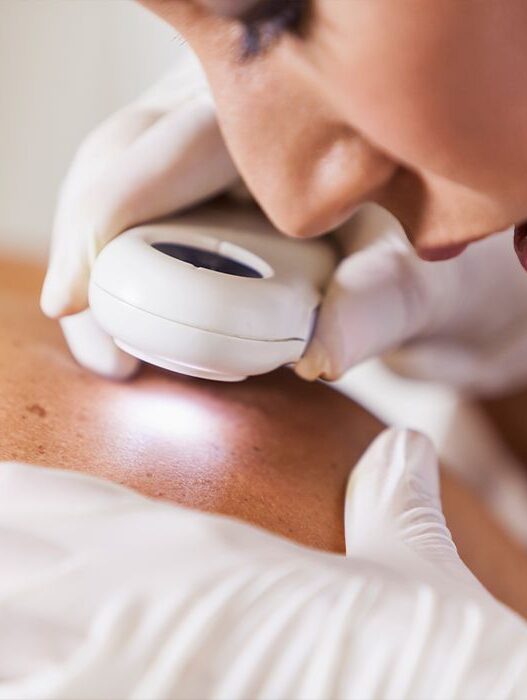






Most of what we know about GLP-1s centers on weight loss and the drug’s effects on the skin and body as they relate to aesthetics. However, a new study published in the Journal of Dermatologic Surgery suggests that those on GLP-1s may have lower post-operative dermatological complications than those who don’t take the drug. The study looked at those who had Mohs surgery and larger incisions for skin cancer removal.
Curious about how GLP-1 users healed after dermatological surgery versus those not on the drug, researchers tracked GLP-1 users for a month to assess their risk of post-operative inflammatory complications.
How can GLP-1s help with wound healing?
In combination with the study, the authors cited prior research suggesting that the drug suppresses inflammatory molecules in the body, improves tissue repair by promoting skin cell movement and blood vessel formation, and leads to overall improvements in metabolic health. All in all, these factors, combined, help contribute to better wound healing, researchers say.
Conclusion of the study
Compared to non-GLP-1 users, those on the drug showed a significantly decreased risk of infection post-procedure due to a reduction in “wound disruption, skin and subcutaneous tissue infection, hematoma and other complications,” according to the authors of the study. Patients who were specifically on semaglutide and tirzepatide showed the greatest reduction in complications. “GLP receptor agonists were associated with a significantly reduced risk of post-operative inflammatory complications after dermatologic surgery, supporting their peri-operative safety and beneficial role in wound healing.”
Though more studies are needed, the results are encouraging, suggesting GLP-1 patients may have fewer post-operative complications. With more research, these findings may one day have larger implications.