Why Your Chin Keeps Breaking Out, and How to Finally Stop It
1 July 2026, 3 min read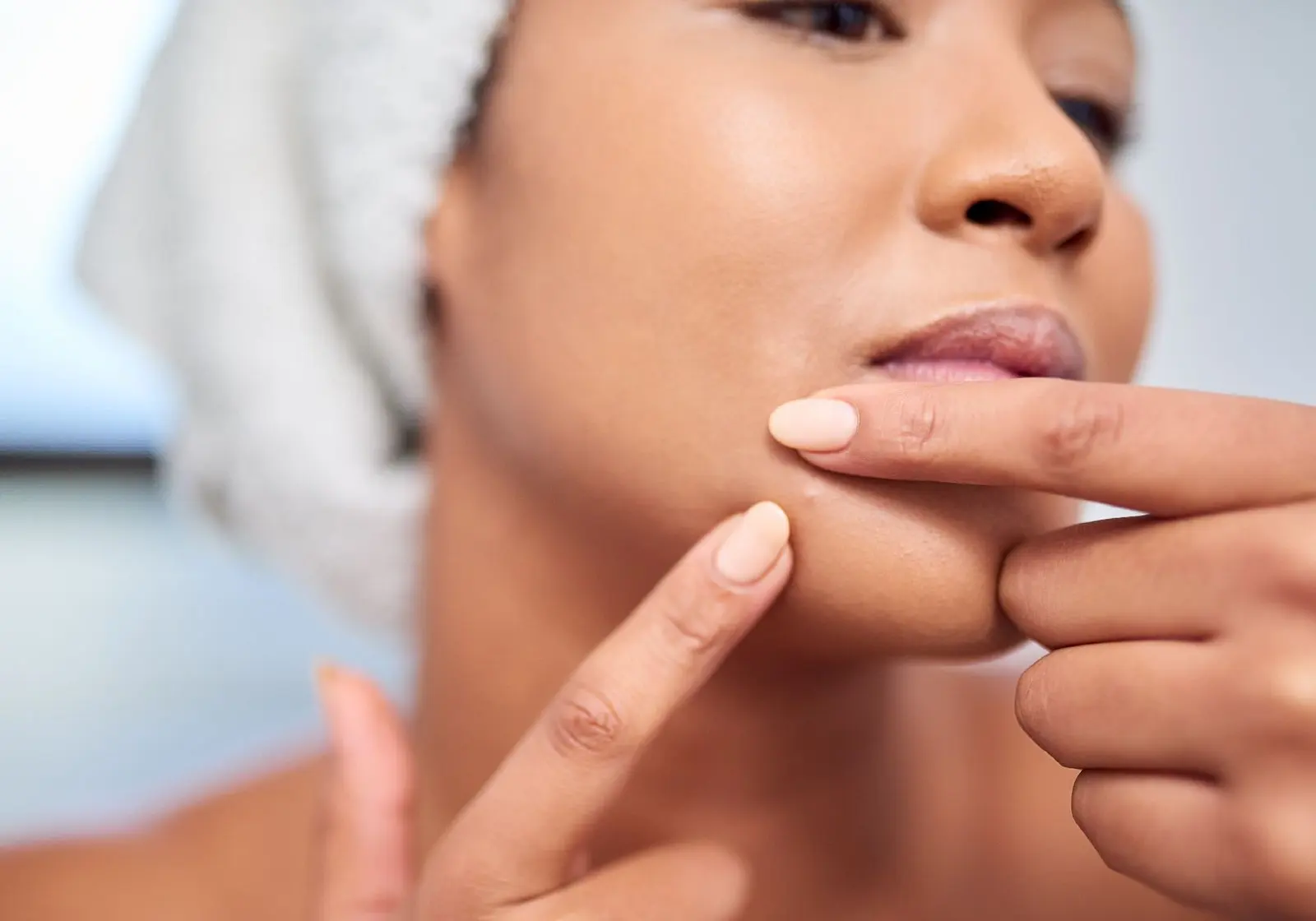
There’s something uniquely frustrating about chin breakouts. They can feel random, like your skin picked the most inconvenient spot just to spite you, but there’s actually a clear explanation behind it. The chin is a classic hotspot for hormonal acne in women, and while it tends to be stubborn, understanding why it happens is the first step to getting it under control.
Ahead, dermatologists break down why hormones are the main culprit behind chin acne, the other sneaky causes that can be at play, and the treatments — from OTC picks to prescription options — that actually make a difference.
Hormones are the most common cause of chin acne in women
“When there is an increase in androgen hormones, sebaceous glands in the skin produce more oil (sebum), leading to clogged pores and acne breakouts,” says New York dermatologist Jody Levine, MD.
“Chin acne in adult women is almost always hormonal,” Miami dermatologist Dr. Deborah Longwill says. “Fluctuations around your cycle, elevated androgens, stress and even dietary triggers like dairy and high-glycemic foods all show up in this specific zone.”
“This is because androgens stimulate oil glands in the lower face, leading to deep, tender breakouts in the chin and jawline,” explains Chapel Hill, NC dermatologist Dr. Payvand Kamrani. Dr. Levine notes that these areas of the face have “a higher density of oil glands, making them more susceptible to breakouts when there is an imbalance in hormone levels.”
Other potential causes of chin acne
We’re quick to blame chin acne on hormones, and we’re often right, but there are a few other possible causes. Fort Lauderdale, FL dermatologist Dr. Matthew Elias says improper cleansing of the face or the use of comedogenic products, such as thick moisturizers, can also be the root cause. “Heavy or pore-clogging skin care and makeup on the lower face can contribute to breakouts in this area,” explains Dr. Kamrani.
Additionally, Rochester, NY dermatologist Lesley C. Loss, MD, points to a condition called acne mechanica “associated with friction or contact with the skin, such as leaning on your hands or wearing a chin strap during sports.” Dr. Kamrani notes that “It’s also important to know chin acne from perioral dermatitis, which can look like acne and can involve the chin but has different causes and treatments.”
How to treat chin acne, according to dermatologists
While many cases of hormonal acne will need a dermatologist’s care, there are some over-the-counter products you can try at home.
OTC products for chin acne
Dr. Longwill recommends starting with a salicylic acid cleanser, niacinamide serum and benzoyl peroxide spot treatment, which can often clear mild cases. Pro tip: “Azelaic acid is underrated for hormonal breakouts and the marks they leave behind.”
“If OTC products haven’t made a dent after eight weeks, it’s time to see a dermatologist,” advises Dr. Longwill. Dr. Kamrani advises against waiting too long before seeking treatment, “since acne therapies can take several weeks to work, and the sooner you start, the lower the risk of scarring or pigmentation.”
Prescription treatments for chin acne
Dr. Elias recommends seeing a board-certified dermatologist who can prescribe oral treatments such as spironolactone or contraceptives or topical treatments like retinoids and Winlevi cream. Dr. Longwill says, “Spironolactone is my most-recommended treatment for hormonal chin acne in women. It targets the root cause, not just the surface. Tretinoin and topical clindamycin are also highly effective.”
Dr. Levine notes that some in-office treatments that could help include chemical peels, lasers or extractions. In a pinch, “Cortisone injections can flatten a deep cyst overnight,” says Dr. Longwill.
Lifestyle changes that help chin acne
Lifestyle changes, including stress management and hormone regulation, can also be beneficial, says Dr. Levine. “Stop resting your chin in your hand, and take stress seriously. Cortisol directly triggers breakouts,” says Dr. Longwill, who notes that people too often overlook the lifestyle piece.
“I always remind patients of small things they can do at home that will make an impact, such as washing your face at night to make sure all the makeup and dirt from the day are washed off, cleaning makeup brushes frequently, changing pillowcases regularly and wiping down your phone screen since it sits right against the chin,” says Dr. Kamrani.