Low-Contrast Brows Are the Summer’s Softest Trend
9 July 2026, 4 min read
After years of bold, sculpted arches (and the recent resurgence of bleached brows on the red carpet courtesy of celebrities like Kylie Jenner and Jenna Ortega), there’s a new way to wear your eyebrows this summer: low-contrast brows. The look is all about soft definition and, like the rest of beauty’s recent trends, enhancing your natural features rather than making your brows the focal point of your face.
But despite what social media might suggest, low-contrast brows aren’t meant for everyone. The trend is rooted in the TikTok-viral makeup contrast theory—the idea that your makeup should complement the natural contrast between your skin tone, eyes and hair color—but that theory doesn’t apply universally. Rather, the goal is simply to enhance what you already have. Ahead, experts explain what low-contrast brows are, how to tell whether they’ll suit you and why the subtle brow trend is gaining momentum.
Meet the Experts
- Annabelle Taurua is a beauty expert at Fresha
- MarQuis Ward is the lead artist and educator at LYS Beauty in Atlanta
What Are Low-Contrast Brows?
The easiest way to think about low-contrast brows is as a softer, more natural version of your existing brows.
“Low-contrast brows are all about creating a soft, natural look that complements your features instead of competing with them,” says Atlanta makeup artist and LYS Beauty educator MarQuis Ward. “The goal isn’t to make your brows disappear, but to enhance what you already have.”
Rather than sharply defining your brows, creating blocky 2016-style arches or dramatically darkening the hair, low-contrast brows focus on subtle fullness and soft dimension.
“Think ‘your brows, but better’ with a softer, more effortless finish,” says Ward. “The beauty of a low-contrast brow is that it enhances your overall look without taking over. Your features should be the focus, and your brows should simply bring everything together.”
What Is Makeup Contrast Theory?
Low-contrast brows are suddenly everywhere thanks to the trending makeup contrast theory.
“The makeup contrast theory became popular on TikTok in recent years because it feels like a real cheat code for understanding which styles suit and flatter your natural features,” explains Fresha beauty expert Annabelle Taurua. “The premise is that you should match your makeup to the natural contrast of your face, taking into account your skin tone, eyes and hair color.”
People with naturally low contrast—think celebrities like Elle and Dakota Fanning, Gigi Hadid and Saoirse Ronan—typically have hair, brows and eyes that are similar in depth to their complexion. According to makeup contrast theory, wearing softer makeup and brows helps enhance those features without going too over the top.
Meanwhile, higher-contrast faces, like Lily Collins’s, naturally carry more dramatic definition. “Those with a fair complexion and very dark eyes, hair and brows are classified as high-contrast, and the idea is that bolder makeup will work well with their features as it naturally aligns with this existing dimension,” says Taurua. So low-contrast brows likely won’t be as flattering on someone with a higher-contrast face.
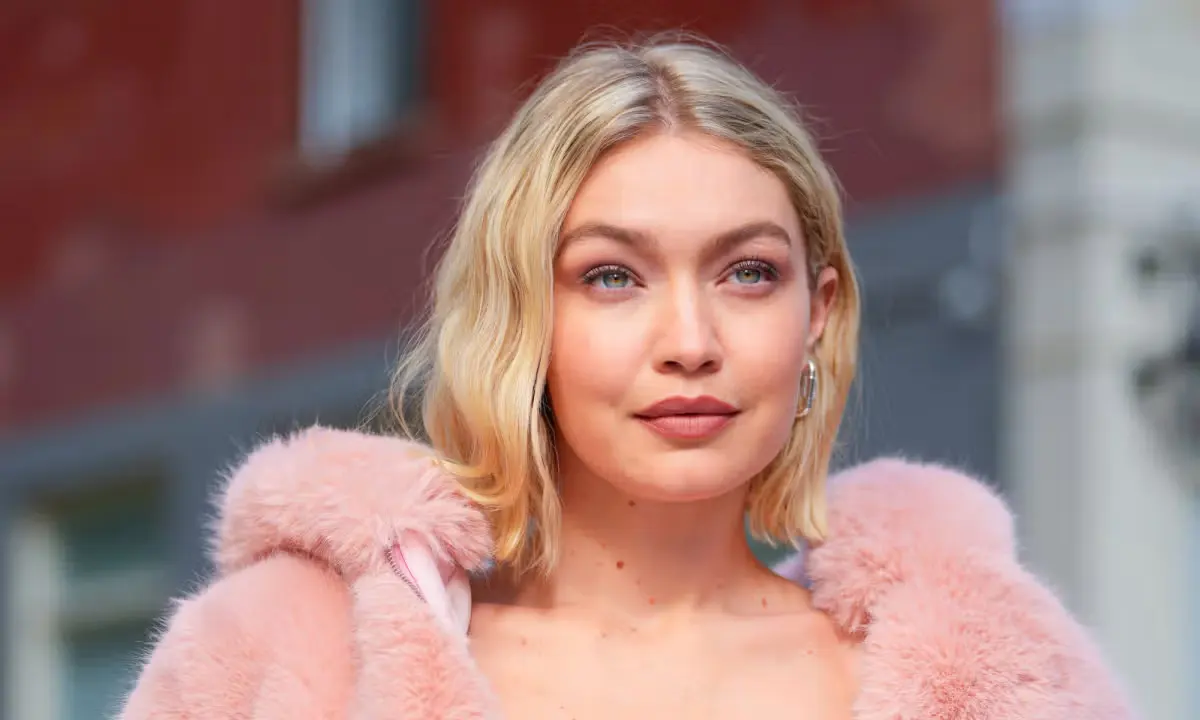
Gigi Hadid has a low-contrast face.
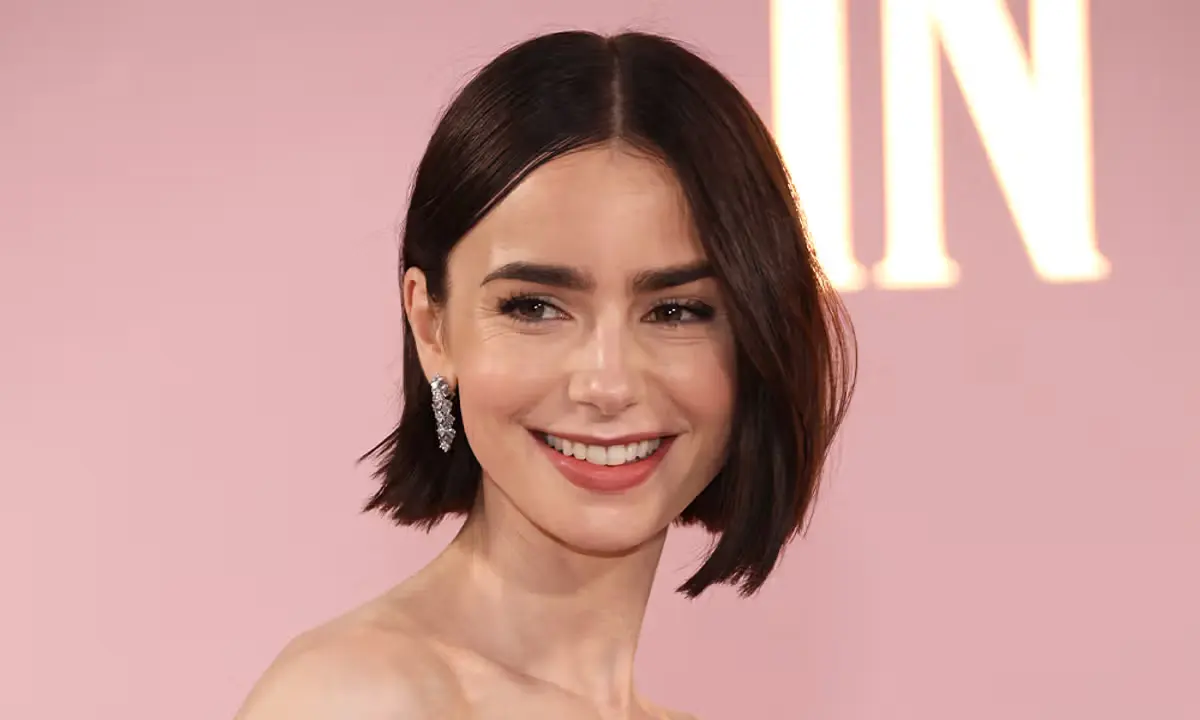
Lily Collins has a high-contrast face.
How to Tell if You Have a Low- or High-Contrast Face
“If your hair, brows, eyes and skin tone are similar in depth and create a softer overall look, you likely have a low-contrast face,” says Ward. “Softer makeup, like a more natural brow, usually enhances your features beautifully.”
On the other hand, if your features really stand out against your complexion, you likely have a higher-contrast face. If you’re struggling to figure it out on your own, Ward has a surprisingly simple hack.
“A quick trick is to take a selfie without makeup in natural lighting and change it to black and white,” Ward says. “If your eyes and brows are the first things you notice, you may have higher contrast. If your features blend together more softly, you’re likely lower contrast.”
Should Everyone Try Low-Contrast Brows?
While low-contrast brows may be trending, Taurua says they shouldn’t be viewed as a universal beauty rule you have to follow. That being said, feel free to experiment—that’s what makeup is all about. “There’s no right or wrong when it comes to choosing your style; working with your contrast can simply offer a helping hand,” she says.
If you’re curious about trying a low-contrast brow but aren’t sure if it’s right for you, Taurua recommends using your natural coloring as simply a starting point.
“A good place to start is to identify people with features similar to yours and look at their brow choices,” she says. “If you want to go bolder and more impactful, speak to your brow technician who can offer guidance on ways to experiment while keeping your contrast in mind.”
How to Create Low-Contrast Brows
Creating low-contrast brows means going in with a light hand. “With low-contrast brows, less is more,” says Ward. “The goal isn’t to create a new brow, but to enhance your natural shape.”
He starts by brushing the brows upward before lightly filling sparse areas with hair-like strokes using a brow pencil like the LYS Beauty Secure Brow Eyebrow Pencil ($20).
“I avoid outlining the entire brow because that can create a heavier look,” he says. “Instead, I focus on filling in sparse areas and creating soft definition.”
Once you’ve gone in with the pencil, Ward says to brush back through the brows with the spoolie to diffuse any harsh lines. Then, to finish the look, “I love using the Merit Brow 1980 Volumizing Tinted Eyebrow Gel-Pomade ($24),” he says. “It adds a touch of tint, texture and fullness while keeping the brows soft, fluffy and polished.” And that’s it—with just a few products, you officially have low-contrast brows.